Author: AMZA Capital
A commercial real estate investor usually does not search for commercial hard money lenders because everything is neat and bankable.
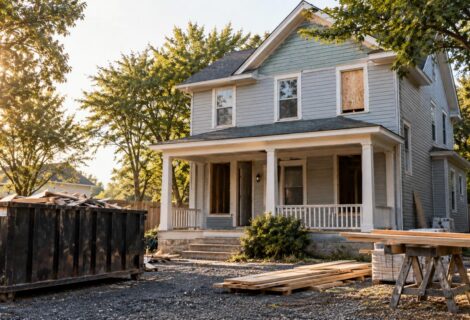
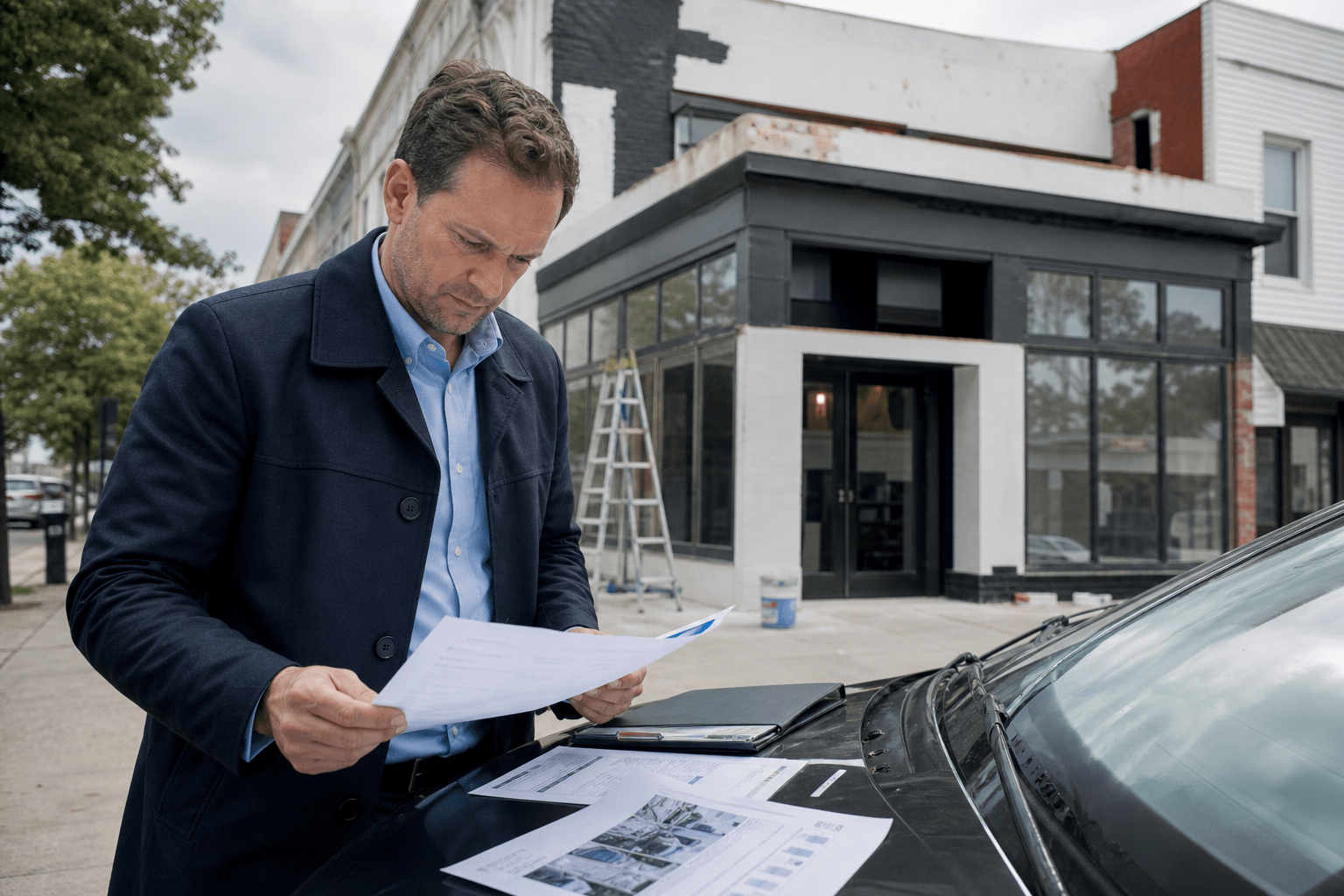
More often, something in the deal does not fit a traditional lender's box. The property needs work. The seller wants a fast close. The borrower has a strong asset but a messy file. The building is vacant today but could lease well after repairs. Or the investor needs bridge capital now, with a plan to refinance once the property is stabilized.
That is where commercial hard money can make sense. It is not cheap capital, and it is not the right fit for every project. But when the collateral is strong and the exit plan is realistic, it can give an investor a way to close a commercial acquisition, refinance a maturing loan, or complete a value-add plan that a bank is not ready to fund yet.
AMZA Capital works with real estate investors on commercial and investment property financing, including small balance commercial loans, commercial bridge loans, private money structures, and construction-related requests. This article explains how these loans are usually reviewed, what causes deals to get declined or repriced, and what to prepare before asking for terms.
What commercial hard money lending actually means
Commercial hard money is short-term, asset-based financing secured by a commercial property. The phrase can cover several property types, including small multifamily, mixed-use, retail, office, self-storage, light industrial, automotive properties, and other income-producing real estate.
The key difference from a bank loan is the underwriting emphasis. A bank may focus heavily on tax returns, global cash flow, long operating history, and a conservative debt service model. A commercial hard money lender still cares about the borrower, but the first question is usually simpler: does the property support the requested loan, and is there a believable way out of the loan?
That exit matters. Hard money is usually bridge capital. The borrower may plan to sell, refinance into a conventional or DSCR-style loan, lease up the property, complete repairs, or reposition the asset. If the exit is vague, the loan gets much harder.
For investors comparing options, AMZA's commercial real estate financing page is a useful starting point.
When commercial hard money can fit
A commercial hard money loan may fit when the deal has a real asset story but does not qualify cleanly for conventional financing yet.
Common examples include:
- A small retail or mixed-use property with vacancies that should lease after repairs
- A 5+ unit multifamily property that needs renovation before it can support long-term debt
- A borrower with low or bruised credit but meaningful equity in the property
- A time-sensitive purchase where the seller will not wait for bank underwriting
- A cash-out refinance where the property has equity but the borrower file is not bank-ready
- A commercial building with an owner-user or investor exit plan, but not enough seasoning for a bank
Small balance commercial loans are usually reviewed deal by deal. Property value is typically in the $150,000 to $5 million range, and eligible property types can include 5+ unit residential, retail, office, self-storage, light industrial, mixed-use, and automotive. For borrowers with FICO scores of 650 or higher, leverage may be available up to roughly 70% LTV depending on the file. Below 650, AMZA may still be able to look at the request, but leverage is usually lower, often around 50% LTV max.
Those numbers are not quotes. They are general program ranges. Actual terms depend on the property, borrower profile, market, loan size, exit plan, and current lender appetite.
When it probably does not fit
Commercial hard money is not a workaround for a weak deal. If the property value is unsupported, the borrower has no liquidity, or the exit plan is wishful thinking, private capital will not magically solve it.
The most common mismatch is a borrower asking for high leverage on a property that still needs major stabilization. Another is a borrower shopping only for the lowest rate when the actual issue is that the deal does not qualify for bank capital yet.
A few hard stops matter. AMZA generally does not fund pure land loans, except for a narrow lot-financing carve-out tied to certain construction scenarios. Commercial properties below roughly $150,000 in value are also difficult. Location, property type, and loan structure still need to be checked before terms are quoted, because not every request is available in every state or program.
There is also a market-size issue that many borrowers miss. For small balance commercial, population can matter. AMZA commonly looks for a local population of at least 35,000, or at least 4,000 if the property is within 25 miles of a city with 100,000 or more people. A strong building in a very thin market may still be tough to place.
What lenders check first
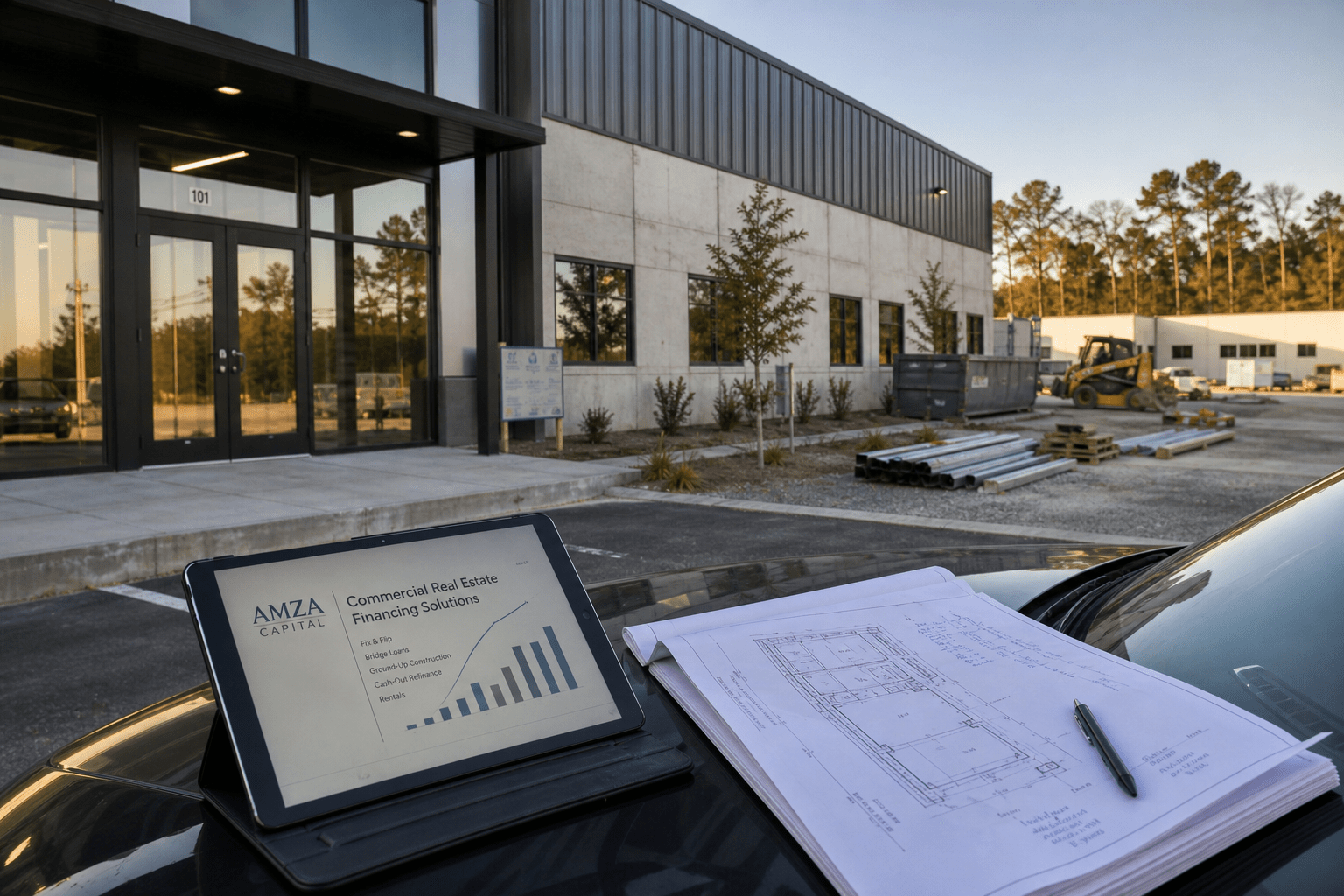
Commercial hard money lenders do not all underwrite the same way, but most serious reviews start with six questions.
1. What is the collateral?
The property type drives the conversation. Multifamily, retail, self-storage, mixed-use, light industrial, and automotive can all be financeable, but each has a different risk profile. Office is still fundable, but it receives more scrutiny than it did before COVID because tenant demand varies sharply by market and building type.
Lenders will look at current condition, occupancy, appraised value, comparable sales, rent roll, tenant quality, deferred maintenance, and marketability if the loan has to be exited through a sale.
2. How much equity is in the deal?
Hard money is still collateral-based lending. If a borrower wants too much leverage relative to today's value, the deal may not work even if the story sounds good. A lower loan-to-value request gives the lender more room to tolerate credit issues, vacancies, property repairs, or a short operating history.
3. Does the borrower have liquidity?
Borrowers often underestimate this part. They focus on the down payment but forget closing costs, interest reserves, repairs, carry costs, insurance, taxes, and a buffer for surprises. For larger commercial or construction-like requests, AMZA often wants to see meaningful liquidity relative to the loan size. The exact amount depends on the structure.
4. Is the borrower experienced enough for the project?
Experience matters more as the project gets more complex. A light value-add retail building is different from a heavy rehab multifamily deal. A borrower who has never completed a comparable project may still have options, but the structure usually changes. Lower leverage, more reserves, or a stronger operating partner may be required.
5. Is the market acceptable?
A building can look good on paper and still be difficult if it sits in a very small or declining market. Lenders care about population, employment base, tenant demand, and whether another lender or buyer would want the asset later. The exit lender matters almost as much as the current lender.
6. What is the exit plan?
This is where many requests fall apart. "I'll refinance later" is not an exit plan by itself. A better exit explains what will change between closing and refinance: repairs completed, leases signed, rents increased, operating history documented, permits cleared, or a sale contract executed.
For broader market context, investors can also review commercial real estate finance research from the Mortgage Bankers Association.
Why deals get declined or repriced
Declines are not always about one big problem. Often the issue is a stack of smaller risks.
A borrower might have low FICO, limited liquidity, a property in a thin market, and a vague refinance plan. Any one of those might be manageable. Together, they push the lender to reduce leverage, increase pricing, require reserves, or pass altogether.
AMZA commonly sees commercial requests run into these problems:
- Property value comes in lower than the borrower expected
- The requested loan amount is too high for the current condition of the asset
- Rent projections are optimistic and not supported by market data
- The property fails the population test
- Borrower liquidity is too light for the project
- The borrower has not prepared a credible exit strategy
- The building type is currently out of favor with lenders
- Repairs or stabilization work are described too vaguely
Commercial hard money is flexible, but it still has discipline. The stronger the borrower can make the file before submission, the better the odds of a serious term sheet.
How AMZA Capital looks at these requests
AMZA Capital approaches commercial hard money requests by starting with the property and the exit. If the asset is financeable and the borrower has a practical plan, the file may be placeable even when it does not fit a bank.
That is especially true for borrowers who have equity but imperfect credit. A FICO score below 650 is not always a hard no for small balance commercial, but it usually changes the leverage. A borrower asking for 70% LTV with weak credit may not get traction. A borrower asking for 50% LTV on a stronger property may get a real look.
AMZA also pays close attention to project type. Multi-family, retail, and self-storage are generally seeing better lender appetite than office or event-based properties. Office can still be funded, but the lender will want to understand occupancy, tenant rollover, market demand, and the borrower's plan if the building takes longer to stabilize.
The goal is not to force every request into the same program. Some deals work as short-term bridge loans. Some are better as commercial refinance loans. Some should be restructured before a borrower spends money on third-party reports. And some are better passed on early because the math does not support the requested financing.
That early read can save borrowers time.
What to prepare before requesting terms
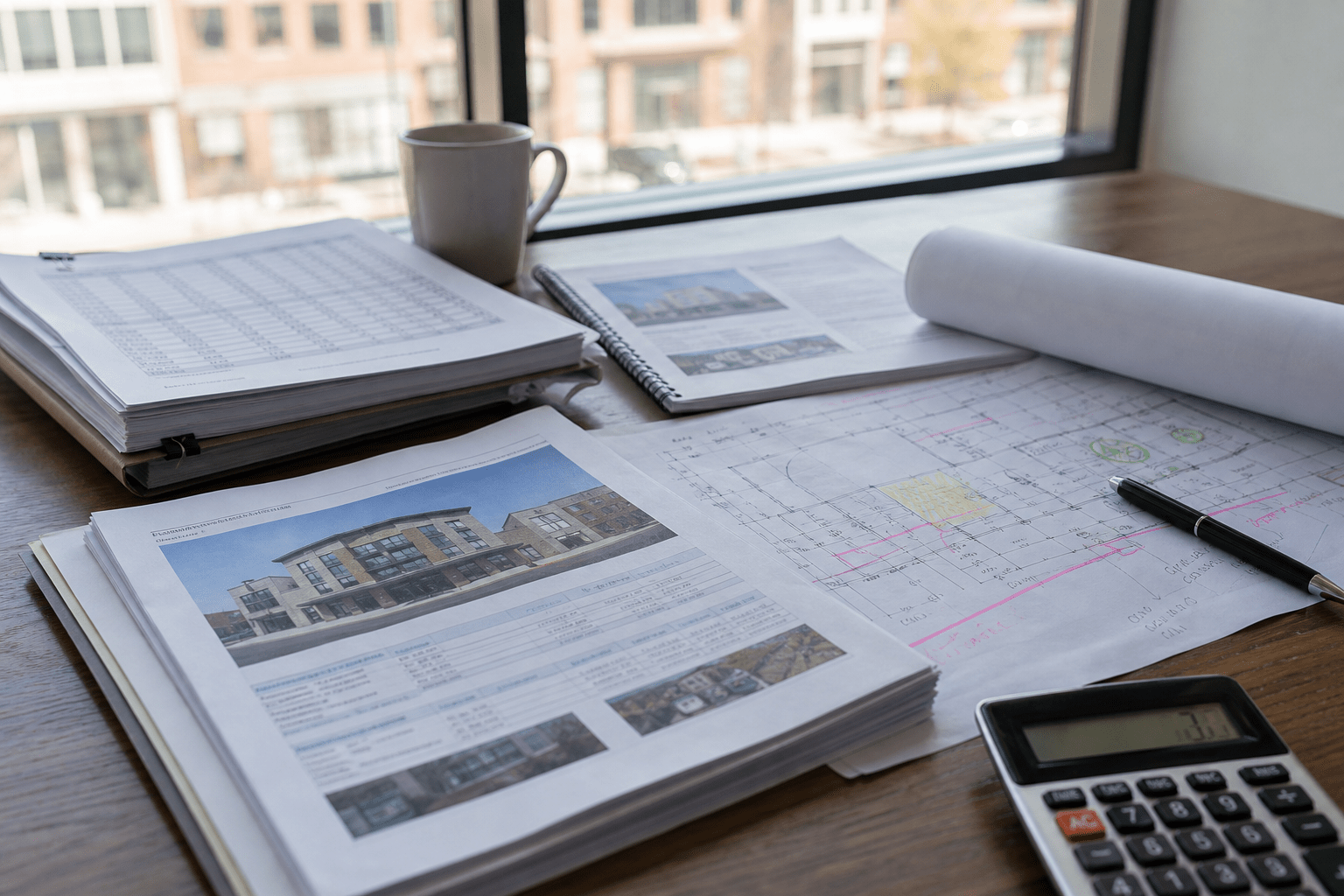
A borrower does not need a perfect package before asking for an initial review, but better inputs produce better feedback. At minimum, prepare:
- Property address
- Purchase price or estimated current value
- Requested loan amount
- Property type and current occupancy
- Rent roll or expected rents
- Basic income and expense information
- Photos or a clear description of condition
- Repair or stabilization plan, if applicable
- Borrower credit range
- Liquidity available for closing, reserves, and carry costs
- Exit plan: sale, refinance, lease-up, or other source of payoff
For construction or heavy rehab, the bar is higher. Lenders will want a detailed budget, schedule, permits or permit status, contractor information, and evidence that the borrower or team has handled comparable work.
If the request is for a broader commercial financing need, start with AMZA's commercial financing options.
A practical way to think about the cost
Commercial hard money is usually more expensive than bank debt. That is the tradeoff. The borrower is paying for speed, flexibility, and a willingness to underwrite a transitional asset or imperfect file.
The question is not whether hard money is cheaper than a bank. It usually is not. The better question is whether the financing lets the investor capture a deal, protect an asset, finish a plan, or reach a better refinance outcome.
If the loan cost destroys the profit, it is the wrong tool. If the loan cost is built into a realistic business plan and the exit is clear, it may be exactly what the deal needs.
Next step
For a free, no-obligation quote, fill in and submit one of AMZA Capital's quote forms. It only takes a minute.
START WITH AMZA CAPITAL’S FREE QUOTE PAGE.
If your request involves a commercial property, review AMZA's commercial real estate financing options.
This content is provided for informational purposes only and does not constitute financial, legal, or investment advice. AMZA Capital is a licensed mortgage lender (CA DFPI 60DBO 86104 | NMLS 2262631). Actual loan terms, rates, and availability vary. Consult a licensed financial professional before making investment decisions.