
Bridge Loans In Florida
A Florida Bridge Loan Guide For Investment Property Projects
Commercial property investment in Florida spans a wide range of asset classes and submarkets, from multifamily corridors in major metros to industrial and retail properties in smaller markets across the state. When a value-add acquisition or a repositioning opportunity arises, conventional long-term financing may not align with the pace or structure a project requires. Bridge lending exists to address that gap.

This guide walks through how bridge financing works in practice, the property types it typically serves, what the AMZA bridge program offers, and how investors planning a Florida project can begin organizing their thinking.
How Bridge Financing Works
A bridge loan is a short-term, asset-backed financing tool that connects the moment of acquisition,or refinance,to a future event that may make the property eligible for long-term debt. That future event might involve completing a renovation, improving occupancy, or otherwise changing the property’s condition.
Bridge financing supports purchase and rehab, or refinance and rehab.
This dual-use structure is worth noting because it means bridge capital is not limited to new acquisitions. An investor who already owns a property may be able to access bridge financing to fund improvements. In both cases, the “bridge” connects today’s property condition to a point in the future when different financing may be possible.
Before entering any bridge arrangement, investors may find it useful to ask themselves: What is the realistic timeline for my project? What event or condition would signal to other lenders or buyers that the asset has changed? Thinking through the endpoint before committing to a short-term structure is a foundational planning habit.
Property Types And Project Scope

Not every property type fits a given bridge program. Eligible property types include multifamily, retail, self storage, office, warehouse, and some light industrial properties.
That range reflects the diversity of commercial real estate investment in Florida, where a single corridor might include a mix of asset classes in close proximity. When evaluating whether a project is a reasonable candidate for bridge financing, investors might ask themselves:
- Property condition: Is the current physical state of the asset the primary reason conventional long-term financing is unavailable, or are there other factors?
- Scope clarity: Is the renovation scope defined clearly enough to support realistic cost and timeline estimates?
- Market context: Does the local submarket appear to support the projected post-renovation value, or does that projection depend on assumptions that may be difficult to verify?
- Exit path: What financing or disposition strategy would retire the bridge loan, and how certain is that path?
Working through these questions honestly before approaching any lender tends to produce better outcomes than leaving them unresolved.
AMZA Bridge Program Terms
Loan amounts start at $500,000, establishing a threshold for projects that may fit the program.
The loan-to-cost range is 75–85%, which means investors should be prepared to contribute a meaningful portion of total project cost,whether from their own capital or other sources,alongside the bridge financing.
Planning A Florida Bridge Project
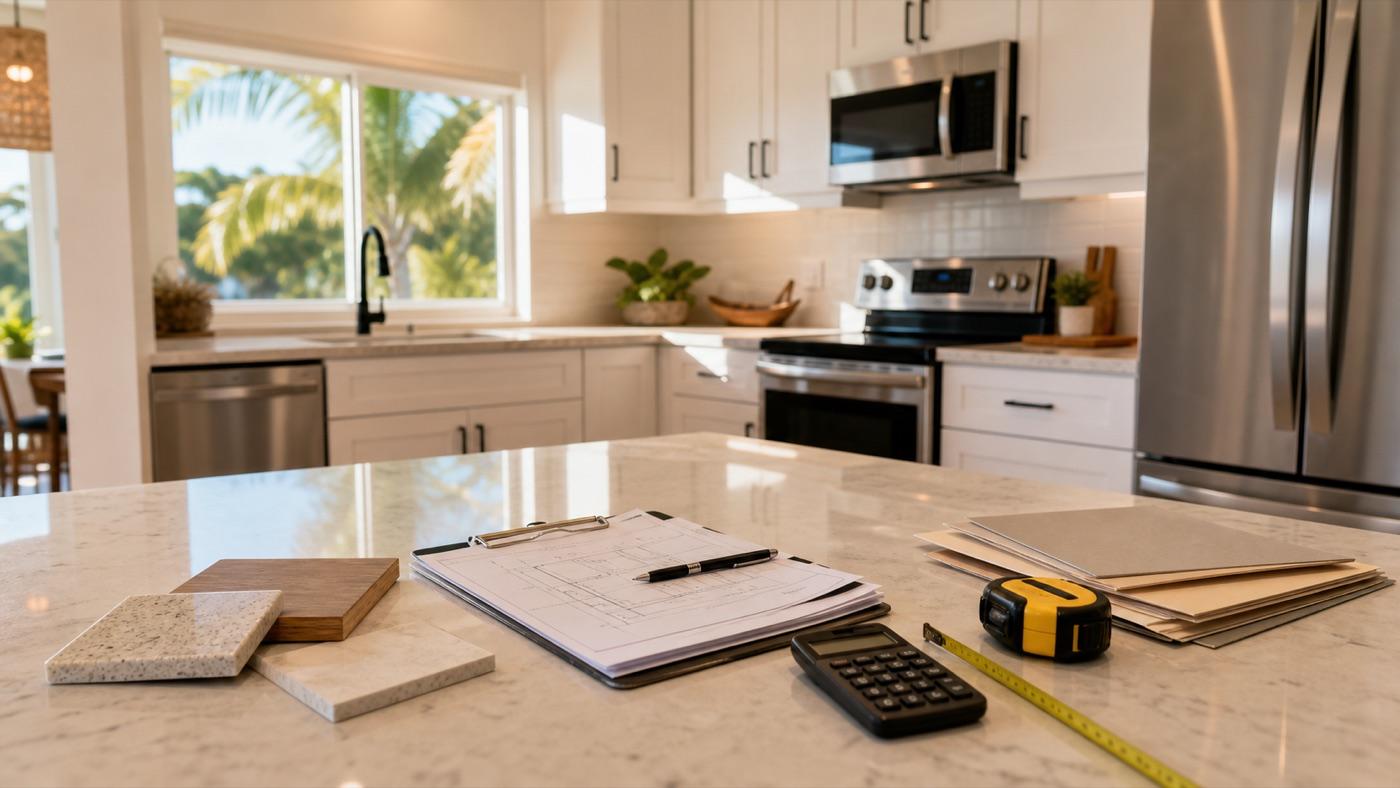
Florida’s commercial real estate environment involves a range of local variables that investors planning a bridge project may want to examine carefully. Permitting timelines, contractor availability, insurance considerations for coastal or storm-risk properties, and seasonal demand patterns for certain asset types can all affect a project’s trajectory.
Investors conducting their own due diligence on Florida properties may find Miami-Dade property records useful for reviewing ownership history, assessed values, and property-level data in South Florida. For broader housing and commercial market context, Fannie Mae data and insights offers publicly available research that may inform macro-level planning assumptions.
Some questions worth considering during the planning phase:
- Permitting cadence: Have you looked into how the relevant municipality handles permits for your project type? How might that timeline interact with your financing structure?
- Contractor relationships: Is your renovation scope supported by relationships with contractors who can commit to the work? What contingencies have you considered for delays or cost changes?
- Insurance: Have you evaluated the insurance implications of the property’s location, particularly for properties in coastal zones or areas with elevated storm risk?
- Demand assumptions: If your exit depends on income projections, are those projections grounded in observable submarket data, or do they rely on conditions that may shift?
None of these factors automatically disqualify a project, but each one deserves honest attention before a formal financing conversation begins.
What To Prepare
Investors approaching a commercial bridge lender will generally benefit from having a clear, organized picture of their project. Useful categories of information to think through include:
Property information: Address, current use, physical condition, existing debt (if any), and ownership structure.
Project narrative: A plain-language description of what you intend to do with the property and what it is expected to look like at the end of the bridge period.
Cost picture: A realistic view of acquisition or payoff costs alongside anticipated renovation costs.
Exit path: A description of how the bridge loan would be retired,whether through a sale, a refinance, or another approach,and what conditions would need to exist for that path to be available.
Investors may also want to verify the licensing status of any lender they consider working with. Florida’s financial license verification tool provides a way to confirm credentials before engaging.
Frequently Asked Questions
What is the minimum loan size for the AMZA bridge program?
Loan amounts start at $500,000.
How much of my total project cost will bridge financing cover?
The loan-to-cost range is 75–85%, so investors should plan to contribute meaningful equity alongside the financing.
What property types does the program cover?
Eligible property types include multifamily, retail, self storage, office, warehouse, and some light industrial properties.
Can I use bridge financing to refinance a property I already own?
Bridge financing supports purchase and rehab, or refinance and rehab, so existing owners with equity in a property may be able to access capital to fund improvements through a refinance.
What makes a project a stronger candidate for bridge financing?
Clarity of scope, a realistic cost picture, and a well-defined exit path are investor-controlled factors that tend to matter in any bridge financing conversation. Investing time in those areas before approaching a lender is generally worthwhile.
How do I know whether my specific project fits the program?
A direct conversation with AMZA Capital is the most reliable way to get a clear answer for your specific situation.
Next Steps
Investors who have worked through the planning questions in this guide and believe their Florida commercial project may align with the bridge program described here can take a straightforward next step: a direct conversation with AMZA Capital.
The AMZA Capital contact page provides a direct path to discuss your project,its asset type, scope, location, and financing needs. An initial conversation can help clarify whether the program is a fit and what information would be most useful to have ready.
Bridge financing is a tool, and like any tool it works best when it is matched to the right project by an investor who has thought carefully about both the opportunity and the obligations that come with short-term debt. Preparation and honest planning remain the foundation of any successful bridge project.
START WITH AMZA CAPITAL’S FREE QUOTE PAGE.
This article is for informational purposes only and does not constitute financial or investment advice. AMZA Capital is a licensed mortgage lender (CA DFPI 60DBO 86104 | NMLS 2262631). Consult a licensed professional before making financial decisions.