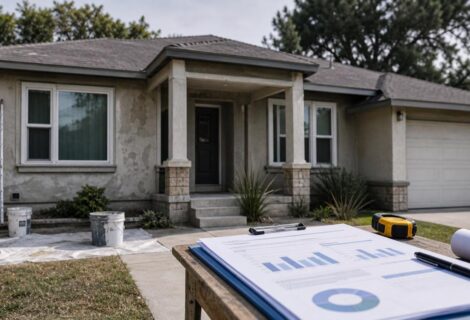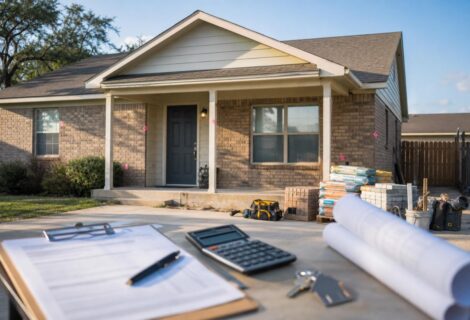
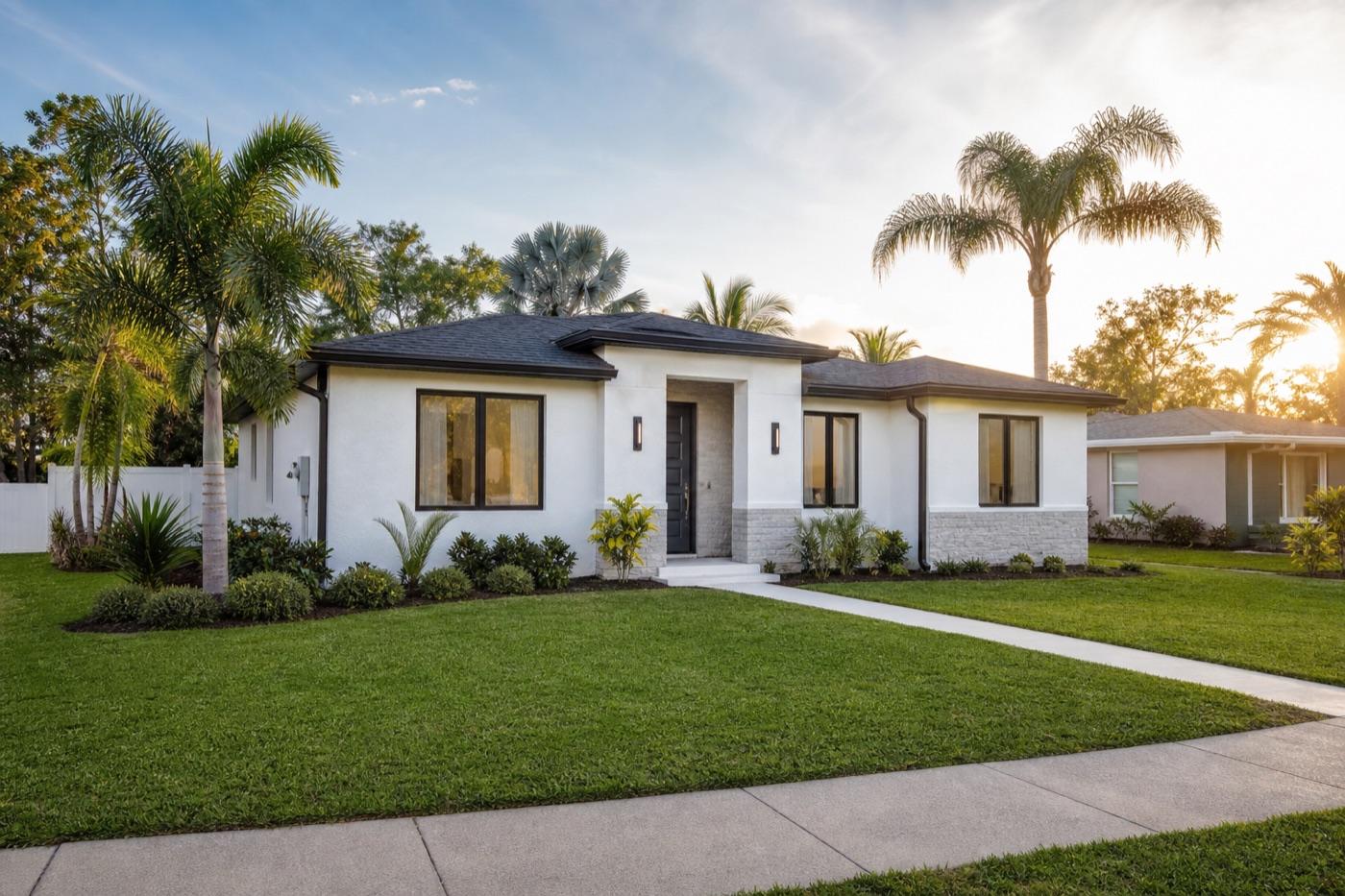
You find an off-market estate sale in Tampa. The heirs want a fast close, no financing contingency, cash or equivalent. The house needs a new roof, the kitchen is dated, and the comparable sales in the neighborhood support an ARV that makes the numbers work, at least on paper. You call a few lenders. One of them asks what state you’re in and then reads you a rate sheet. Another asks for the address and the scope of work before saying anything about pricing.
That second lender is thinking correctly.
Private money lending in Florida is not a commodity product. The property, the deal structure, the insurance exposure, and the borrower’s liquidity all affect how a lender will price and size a loan. If you are comparing private money lenders in Florida, the goal of this piece is to show you what a serious lender actually looks at before quoting terms, and what separates a file that closes from one that stalls or gets declined.
What Private Money Lenders In Florida Actually Want To See
Before any conversation about rate or LTV is meaningful, a lender needs the deal details. Not a zip code. Not a rough idea of value. The actual address, a realistic purchase price, an itemized scope of work, and real comparable sales that support your ARV. Without those four things, any rate a lender gives you is a marketing number, not an underwriting number.
The reason lenders price the deal first is straightforward. Private money loans are asset-backed. The lender’s primary protection is the property. If the exit strategy fails and the loan goes sideways, the lender needs to know that the collateral is worth what the borrower says it is. That determination requires property-level data, not borrower-level data alone.
This does not mean borrower profile is irrelevant. FICO matters. AMZA Capital requires a minimum 660 for residential investment loans. Track record matters. Liquidity matters. But those factors affect the terms, not whether the lender is willing to look at the deal. A strong borrower on a weak deal still does not get funded.
On liquidity, plan for roughly 35% of the purchase price to cover the down payment, closing costs, carry costs through rehab and sale, and a buffer for the unexpected. That number sounds high until you have run a Florida deal where the insurance quote came back meaningfully above the placeholder budget, or a contractor found rot under the subfloor that wasn’t in the original scope.
When Florida-Specific Factors Change The Equation
Florida is not like lending in the Midwest or the Mid-Atlantic. The state has specific risk factors that affect how lenders size and underwrite deals, and investors who ignore those factors get surprised late in the process.
Insurance is the clearest example. Premiums and availability can vary by property type, location, roof age, and carrier appetite. A fix-and-flip that pencils at a 22% projected margin can drop below the threshold lenders want to see once the actual insurance quote lands. If you are underwriting a deal in Florida, get an insurance quote early. Do not use a placeholder number from a deal you did two years ago.
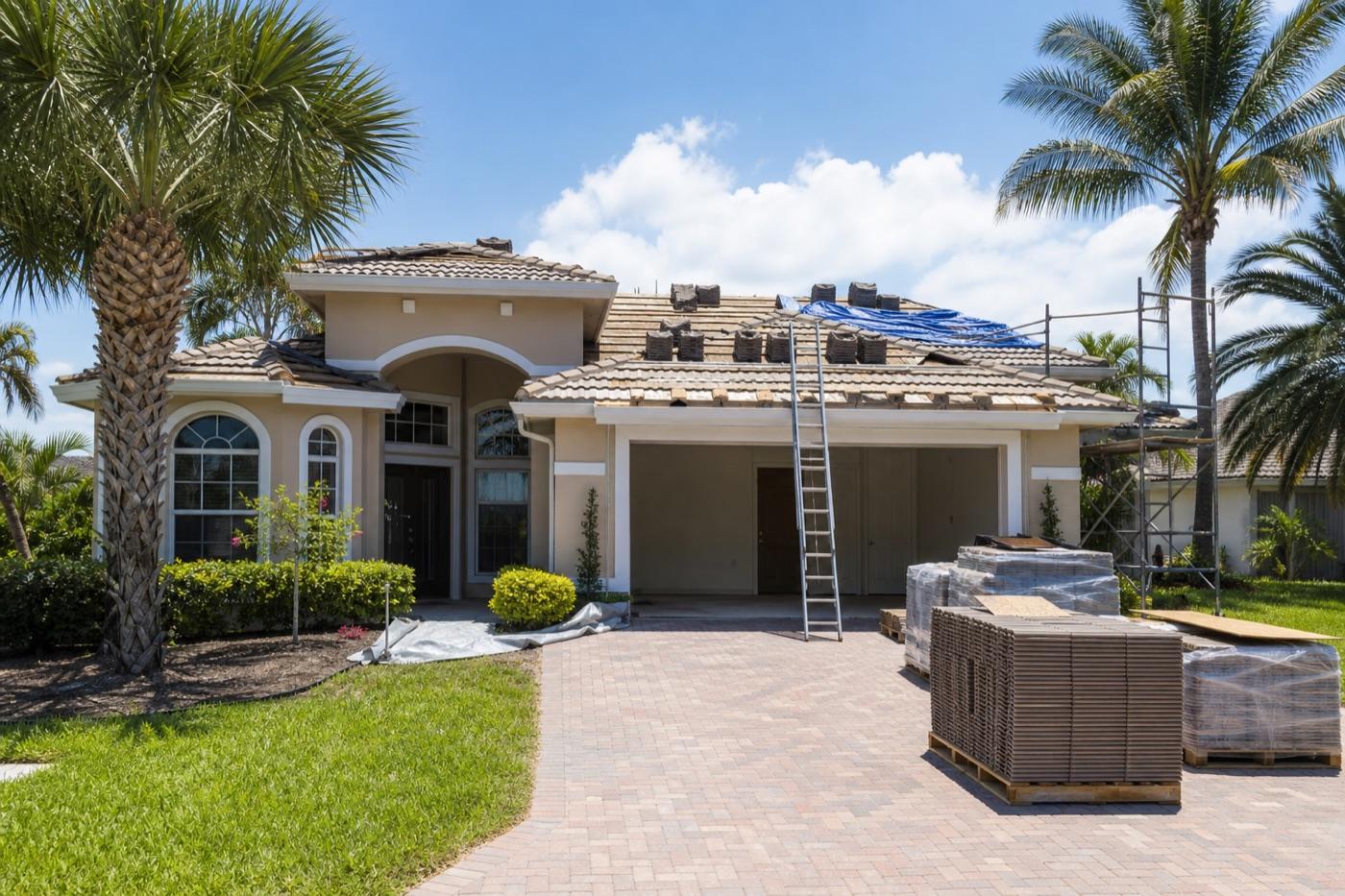
Roof condition is scrutinized more carefully in Florida than in most other states. Lenders know that a property in a hurricane-prone market with a deteriorating roof is a liability. Some carriers will not bind coverage on roofs over a certain age. If the deal requires a new roof, that line item needs to be in the scope of work with a real number, not a guess. A lender reviewing a Florida file will notice a missing or underestimated roof line immediately.
Coastal properties add another layer. Wind mitigation requirements, flood zone designations, and the insurance complexity that comes with both can meaningfully affect what a deal actually costs to carry. A property in Pinellas County or along the Gulf Coast may face underwriting scrutiny that a property in a non-coastal market in central Florida would not. That does not mean coastal deals don’t get funded. It means they require more preparation before you request terms.
If you are working on rental acquisitions or looking at buy-to-rent scenarios in Florida, the insurance picture affects your debt service coverage ratio, which affects whether the loan makes sense as a longer-term hold. You can learn more about how private money lenders approach rental property financing at AMZA Capital’s rental property lending page.
The Florida Office of Financial Regulation oversees licensed mortgage lenders operating in the state, and it is worth knowing who you are working with before you hand over deal details. A licensed lender has obligations that protect you.
How A Real Florida Deal Came Together
AMZA Capital funded a deal in Tampa that illustrates how multiple complicating factors can land in the same file without killing the loan.
The property was a 3-bedroom, 2-bathroom single-family home in a working-class neighborhood, purchased as an off-market estate sale. The purchase price was $285,000 with an ARV of $425,000, supported by comparable sales that had sold within the prior 90 days. The seller required a fast close with no financing contingency.
The borrower had a solid track record on previous flips. The issue was credit card utilization. At the time of application, the utilization rate was high enough to raise a flag during review. Not a FICO problem in terms of the hard cutoff, but it was a factor the loan committee noted.
The property needed a new roof. The scope of work included the roof, full kitchen update, bathroom refreshes, paint, flooring, and landscaping. The insurance quote came back higher than the borrower initially expected, which tightened the projected margins somewhat.
To make the deal work, the loan was structured with an acquisition advance at closing and staged rehab draws tied to inspections. The draw structure is standard for fix-and-flip deals. It protects the lender and keeps the borrower accountable to the scope. The borrower brought additional cash at closing to reduce the loan-to-value into the lender’s comfort zone. That additional equity is what moved the deal forward despite the credit utilization flag.
The loan closed in 12 business days.
That deal worked because the borrower came prepared. The ARV was supported by real comps. The scope was itemized. The exit strategy was clear. And the borrower understood that flexibility on the equity contribution was the path to getting the loan done quickly.
What Gets A Florida Private Money Deal Declined
Most declined deals fail for predictable reasons. Knowing them ahead of time is worth more than any rate comparison.
FICO below the minimum. At 660, AMZA’s threshold is not aggressive relative to the market. But borrowers who have not pulled their credit recently sometimes assume their score is higher than it is. Know your number before you request terms.
Incomplete applications. A file with missing fields, no scope of work, or an ARV with no comp support does not move forward. Lenders are not going to complete the underwriting work for you. If the file looks like it was put together in ten minutes, it will be treated accordingly.
ARV estimated from memory. Saying “I think the ARV is around $425,000 because there’s a nice house down the street that sold well” is not an ARV. You need actual closed sales, ideally within the last 90 days, within a reasonable distance, with adjustments for condition and size. A lender will pull their own comps anyway. If your number and theirs diverge significantly, that gap becomes a conversation about LTV, not a quick approval.
Gutted or shell condition properties. A property that has been stripped to the studs, or one where the systems and structure are significantly compromised, triggers ground-up underwriting rather than fix-and-flip underwriting. The program requirements, draw structures, and timeline expectations are different. If you submit a shell condition property as a standard fix-and-flip, the application will either be declined outright or converted to a different program with different terms.
Thin deal profitability. Lenders generally want to see at least a 20% projected profit margin on a flip. A deal with a $425,000 ARV and a total cost basis of $415,000 is not a fundable deal regardless of how good the borrower looks. The margin has to be there because something always costs more than expected.
Liquidity that doesn’t match the deal. A borrower who has just enough for the down payment but no cushion for carry costs, unexpected scope changes, or a delayed sale is a risk. Lenders see this regularly. If your liquid reserves are close to the minimum, say so upfront and have a conversation about how to structure the deal rather than hoping the lender doesn’t notice.
How AMZA Capital Approaches Florida Deals
Florida is an active state for AMZA Capital’s investor loan requests. The state’s real estate market, with its volume of distressed inventory, estate sales, and investor activity, generates consistent deal flow across multiple loan types.
AMZA funds fix-and-flip loans starting at a $75,000 minimum purchase price and generally up to $5 million. Standard loan terms run 12 months, with 18 to 24 month terms available depending on the deal. LTV ranges from 75% up to 95%, and for borrowers with 10 or more completed projects in the prior three years, 100% financing is available. Rural properties, including 1 to 4 unit residential, are eligible.
For self-employed borrowers, Florida deals can be underwritten using bank statements rather than traditional income documentation. This matters for investors who run their business through an LLC or who do not show income on tax returns in a way that satisfies conventional underwriting.
The hard money lending overview for Florida covers program specifics if you want to go deeper on structure and loan types.
What differentiates how AMZA approaches a file is that they look at the whole picture rather than declining on a single variable. The Tampa deal described above had a credit utilization flag, a higher-than-expected insurance quote, and a property that needed a new roof. Any one of those could have been used as a reason to pass. Instead, the deal was structured in a way that addressed the lender’s risk concern, the borrower brought more equity to the table, and the loan closed in less than two weeks.
For deals that do not fit a standard program, AMZA has access to a broader network of private investors and funders. That flexibility matters when a deal has unusual characteristics, whether it is a mixed-use property, a complex estate situation, or a borrower whose profile does not conform neatly to a checklist.
What To Prepare Before Requesting Terms
If you want a real quote rather than a placeholder rate, come prepared with the following before you make contact.
The property address. Not a zip code, not a general description. The address allows the lender to pull comps, check flood zone status, and begin a preliminary assessment of the asset.
Real comparable sales for ARV support. Pull your own comps before requesting terms. Look at closed sales within the last 90 days, properties within a reasonable distance, and make adjustments for condition and square footage. If your comps require significant explanation, be ready to give it.
An itemized scope of work. Not a single number. Not “roughly $60,000 in rehab.” Line by line: roof, HVAC, electrical, plumbing, kitchen, bathrooms, flooring, paint, exterior, landscaping. Lenders have seen enough deals to know what things cost. An itemized scope signals that you know what you are doing.
Your FICO and a rough liquidity picture. You do not need to send bank statements on the first call, but you should know your score and roughly what you have available. If there are flags in your credit history, disclose them early. A lender who finds something unexpected in the file late in the process has less flexibility to work around it.
Your exit plan. Are you selling after rehab? Refinancing into a rental hold? If it is a sale, what is your timeline and what is your basis for the exit price? If it is a refinance, do you have a lender identified and does the property support a DSCR or conventional loan at the projected value? The exit plan is not a formality. It is central to whether the loan structure makes sense.
Closing And Next Steps
Florida’s real estate market moves fast. Off-market deals, estate sales, and distressed properties do not wait for a borrower who is still shopping for a lender. If you are serious about funding a deal in Florida, the time to get your file ready is before you have a property under contract.
AMZA Capital is active across Florida and can move quickly on files that are properly prepared. If you have a deal ready or are approaching one, start the conversation now.
START WITH AMZA CAPITAL’S FREE QUOTE PAGE.
*This content is provided for informational purposes only and does not constitute financial, legal, or investment advice. AMZA Capital is a licensed mortgage lender (CA DFPI 60DBO 86104 | NMLS 2262631). Actual loan terms, rates, and availability vary. Consult a licensed financial professional before making investment decisions.*