By AMZA Capital
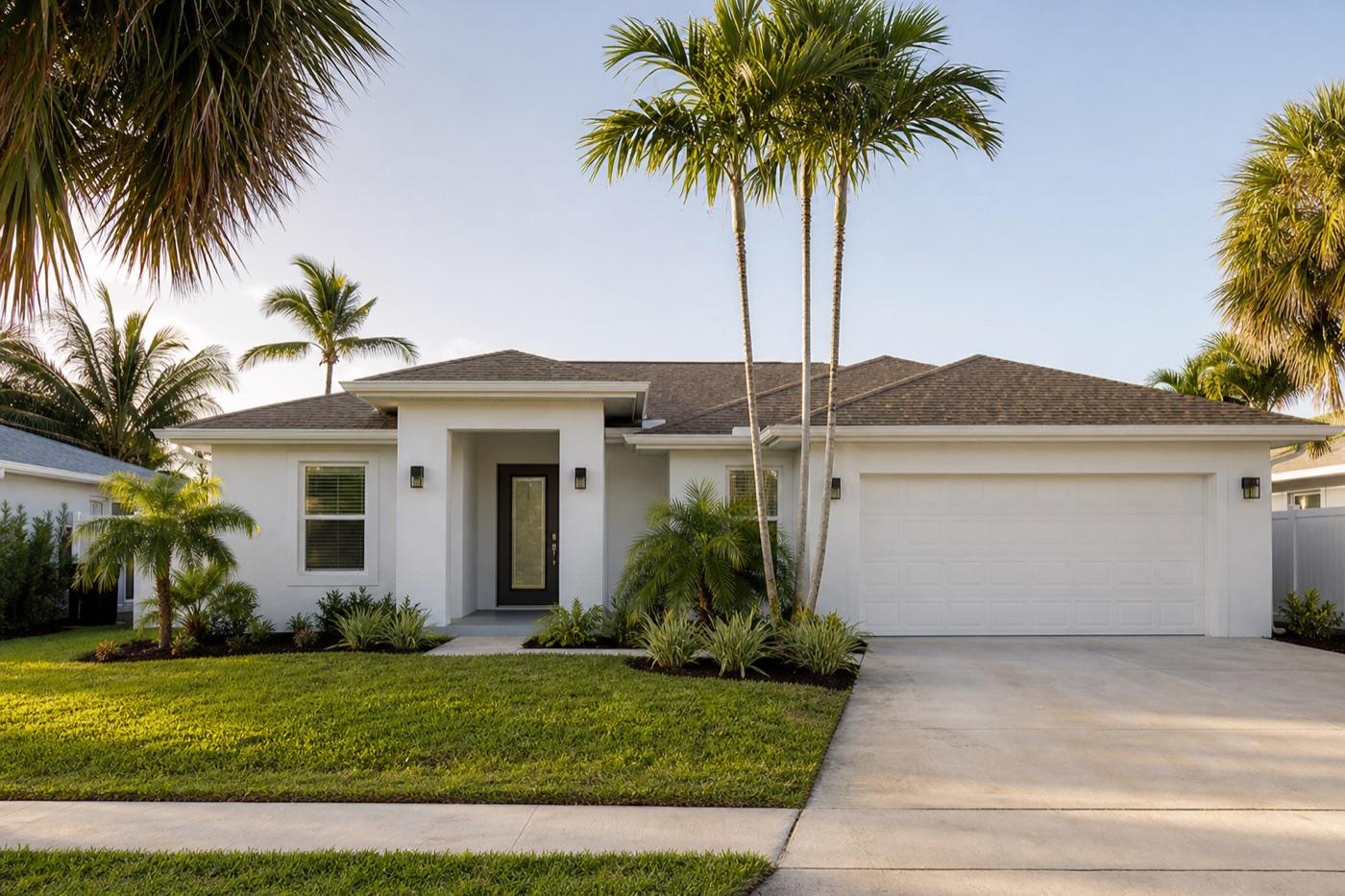
Florida’s real estate markets offer opportunities for investors across various property types and locations, from Miami’s condominiums to Tampa’s neighborhoods and Jacksonville’s rental properties. When you’re considering a fix-and-flip in Orlando or acquiring rental properties in Fort Lauderdale, understanding how hard money lenders evaluate deals can help you secure better terms and avoid delays.
Hard money lending in Florida operates under specific conditions shaped by the state’s market characteristics, insurance requirements, and regulatory environment. Before submitting loan applications, knowing what lenders examine during underwriting helps you prepare stronger deal packages and address potential concerns early.
What Florida Hard Money Lenders Evaluate Before Providing Terms
When you approach a hard money lender with a Florida investment property, they examine several factors that determine loan viability and pricing. Understanding these evaluation criteria allows you to present deals more effectively and anticipate underwriting concerns.
Florida’s markets carry different risk profiles that influence lending decisions. Properties in established neighborhoods with consistent sales data typically receive more favorable consideration than those in transitional areas or markets with limited comparable transactions. Lenders examine recent sale prices, days on market, and absorption rates for similar properties in your target area.
Hurricane-prone coastal regions face additional scrutiny due to insurance costs and evacuation risks. While these locations aren’t automatically disqualified, lenders may require higher reserves or adjust loan-to-value ratios to account for weather-related carrying costs and potential delays in marketing completed properties.
Accurate property valuation forms the foundation of every hard money loan decision. Lenders require detailed comparable sales analysis supporting both current market value and projected after-repair value (ARV). This documentation should include recent sales of similar properties in similar condition, with adjustments for differences in square footage, features, and location.
For fix-and-flip projects, ARV estimates must align with the intended scope of work and target buyer profile. A property being renovated to luxury standards needs comparable sales supporting that price point, while a basic cosmetic renovation should target the appropriate market segment.
Experienced investors with documented track records of successful completions receive stronger consideration and potentially better terms. Lenders want to see evidence of prior real estate investments, renovation projects, or related construction experience. First-time flippers aren’t excluded but may face higher down payment requirements or additional documentation requests.
Financial capacity extends beyond creditworthiness to include liquid reserves for unexpected costs, carrying payments, and project overruns. Florida’s seasonal market fluctuations and weather-related delays make adequate reserves particularly important for successful project completion.
Key Documentation Florida Lenders Require

Preparing comprehensive documentation before approaching lenders accelerates the approval process and demonstrates professionalism. Florida hard money lenders typically request specific materials that allow them to evaluate both the property opportunity and borrower qualifications efficiently.
Complete property information includes the purchase contract, property condition photos, preliminary title report, and detailed scope of work with contractor estimates. For renovation projects, lenders want to see specific line-item budgets rather than general estimates, with separate pricing for materials, labor, and permits.
Recent comparable sales supporting your ARV estimate should be professionally prepared, ideally by a licensed appraiser or experienced real estate professional. Include photos of comparable properties and adjustment explanations for any significant differences in condition, features, or location.
Personal financial statements, bank statements, and proof of liquid assets demonstrate your capacity to complete the project and service debt payments. Tax returns from the previous two years provide income verification, while credit reports help lenders assess overall financial responsibility.
For experienced investors, documentation of previous projects including before/after photos, profit and loss statements, and references from contractors or other lenders strengthens your application. This experience documentation can influence both approval decisions and final terms.
How Florida’s Insurance Environment Affects Hard Money Lending
Florida’s insurance landscape significantly impacts hard money lending decisions and project economics. Understanding these factors helps investors prepare realistic budgets and avoid surprises during the lending process.
All hard money lenders require comprehensive property insurance with the lender named as mortgagee. Florida’s elevated hurricane risk and recent insurance market changes have increased premiums substantially, particularly for coastal properties. Vacant property policies, required during renovation periods, typically cost significantly more than occupied property coverage.
Some areas of Florida face limited insurance availability, with certain carriers withdrawing from the market or restricting new policies. Before submitting loan applications, obtain insurance quotes to ensure coverage availability and factor these costs into your project budget. Properties requiring Citizens Property Insurance, Florida’s insurer of last resort, may face additional underwriting scrutiny.
Florida lenders often require higher cash reserves to account for potential weather-related project delays. Hurricane season can halt construction for days or weeks, extending project timelines and increasing carrying costs. Lenders want assurance that borrowers can handle these extended timelines without financial distress.
Recent storm activity in your target area may influence reserve requirements and lender appetite for new projects. Properties with documented flood history or those in designated high-risk zones may require flood insurance in addition to standard coverage, adding to overall project costs.
Real-World Florida Hard Money Case Study
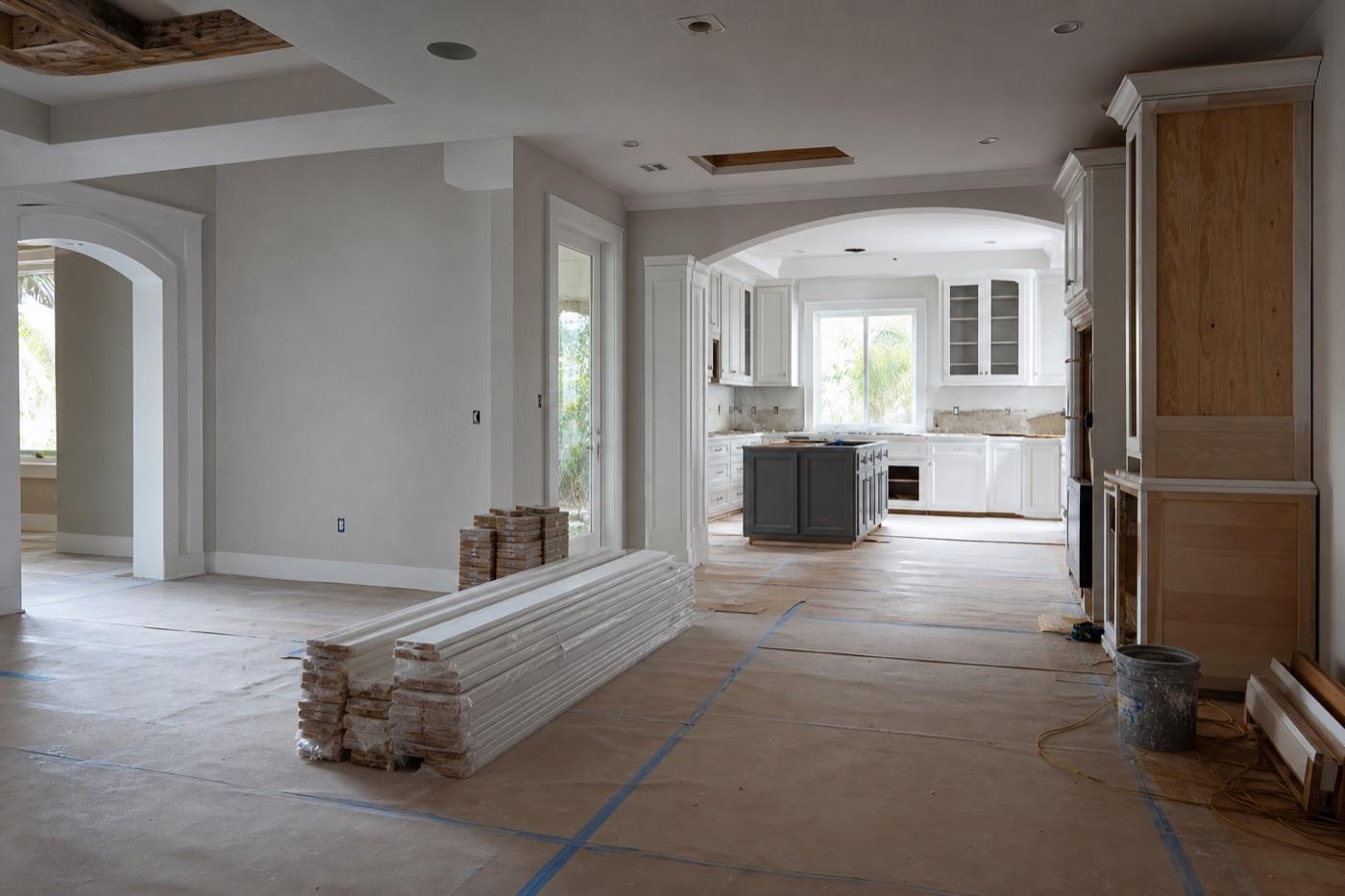
A recent Tampa-area fix-and-flip project demonstrates how Florida-specific factors influence hard money lending decisions and project execution. This case study highlights common challenges and solutions for Florida investment properties.
The borrower identified a 1950s ranch home in an established Tampa neighborhood requiring extensive renovation. The purchase price of $285,000 reflected the property’s poor condition, including a damaged roof, outdated electrical systems, and cosmetic issues throughout. The projected ARV of $425,000 was supported by recent sales of renovated homes in the same subdivision.
Initial lender concerns centered around the roof damage and its impact on insurance availability. Several insurance companies declined coverage due to the roof condition, requiring the borrower to obtain a specialty vacant property policy at significantly higher cost while planning immediate roof replacement as the first renovation phase.
AMZA Capital’s network of investment real estate lenders evaluated the deal based on the borrower’s renovation experience, detailed scope of work, and strong ARV support. The final loan amount of $285,000 covered the purchase price with additional funds available through staged renovation draws as work progressed.
The approval process took 12 business days from application to closing, facilitated by the borrower’s complete documentation package and the lender’s familiarity with the Tampa market. Key factors supporting approval included the borrower’s previous successful flips, detailed contractor estimates, and adequate liquid reserves for unexpected costs.
Roof replacement began immediately after closing, allowing standard property insurance to replace the expensive vacant property policy within 30 days. This early focus on insurance requirements reduced ongoing carrying costs and removed a major project risk factor.
Staged renovation draws aligned with project milestones, providing access to additional funds as work progressed while maintaining lender oversight of project quality and timeline. The structured draw process helped the borrower manage cash flow while ensuring adequate funds remained available for project completion.
Understanding Florida Hard Money Loan Terms And Structures
Florida hard money loans feature terms and structures designed to accommodate the state’s market conditions and regulatory environment. These financing arrangements differ significantly from traditional mortgages in both structure and expectations.
Fix-and-flip loans commonly feature 12-month terms with options to extend to 18 or 24 months if needed. Interest rates and fees vary based on loan-to-value ratios, borrower experience, property location, and current market conditions. Experienced borrowers with multiple completed projects may qualify for more favorable terms due to their demonstrated track record.
Loan-to-value ratios depend on multiple factors including property condition, ARV support quality, and renovation scope complexity. Properties in gutted or shell condition may be treated as construction projects rather than simple renovations, requiring different documentation and potentially different terms.
Investment property bridge loans provide acquisition financing for rental properties that may not immediately qualify for conventional financing. These loans typically feature longer terms than fix-and-flip financing, often 12 to 24 months, allowing time for property stabilization, tenant placement, or borrower financial improvements.
Florida’s rental markets in cities like Miami, Orlando, and Tampa create opportunities for bridge loan strategies, particularly for properties requiring light renovation or those in transitional neighborhoods. Fix-and-flip loan structures can sometimes be adapted for rental property acquisitions when conventional financing isn’t immediately available.
Common Mistakes That Delay Florida Hard Money Approvals
Understanding frequent approval obstacles helps investors avoid delays and strengthen their loan applications. Many approval delays stem from incomplete preparation rather than deal quality issues.
Failing to research insurance availability and costs before applying represents one of the most common Florida-specific mistakes. Properties in coastal areas, flood zones, or neighborhoods with recent claim history may face coverage limitations or elevated premiums that affect project viability.
Obtain preliminary insurance quotes before submitting loan applications, and factor these costs into your project budget from the beginning. Properties requiring immediate repairs to obtain coverage should prioritize these improvements in project planning and contractor scheduling.
Florida’s current construction costs, permit requirements, and contractor availability often exceed investor expectations, particularly for those new to the market. Detailed contractor estimates with current material pricing provide more accurate project budgets than general estimates from other markets.
Factor in Florida-specific requirements such as hurricane straps, wind-resistant materials, and local building code compliance. Cities and counties throughout Florida have varying permit requirements and approval timelines that can affect project schedules and costs.
Relying on automated valuation models or limited comparable sales data weakens ARV support and raises underwriter concerns. Florida’s diverse neighborhoods can have significant value variations within short distances, making detailed local market knowledge essential for accurate property valuations.
Research recent absorption rates and average days on market for similar properties in your target area. According to National Association of Realtors research, local market conditions significantly influence both renovation strategies and exit timeline expectations.
Preparing For The Florida Hard Money Application Process
Successful hard money loan applications require thorough preparation and realistic timeline expectations. Florida’s regulatory environment under the Florida Office of Financial Regulation ensures consumer protections while establishing clear guidelines for lending activities.
Most Florida hard money lenders can provide initial feedback within 24-48 hours of receiving complete application packages. Full underwriting and approval typically require 5-15 business days depending on property complexity, appraisal scheduling, and borrower responsiveness to documentation requests.
Closing timelines often depend on title company availability, survey requirements, and insurance placement. Properties requiring immediate repairs for insurance coverage may need specialized coordination between contractors, insurance agents, and closing attorneys.
Present deals with complete documentation, realistic budgets, and clear exit strategies from the initial application. Include detailed renovation plans with specific contractor estimates, comprehensive comparable sales analysis, and evidence of adequate financial reserves for project completion.
Demonstrate market knowledge through neighborhood research, renovation strategy explanations, and realistic timeline projections. Lenders appreciate borrowers who understand local market conditions and have developed relationships with reliable contractors and service providers.
Florida’s competitive real estate investment market rewards prepared investors who understand hard money lending requirements and can execute projects efficiently. Whether you’re planning your first fix-and-flip project or expanding an existing portfolio, thorough preparation and realistic expectations set the foundation for successful financing relationships.
START WITH AMZA CAPITAL’S FREE QUOTE PAGE.
—
This content is provided for informational purposes only and does not constitute financial, legal, or investment advice. AMZA Capital is a licensed mortgage lender (CA DFPI 60DBO 86104 | NMLS 2262631). Actual loan terms, rates, and availability vary. Consult a licensed financial professional before making investment decisions.