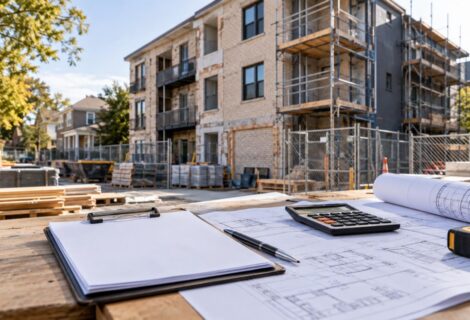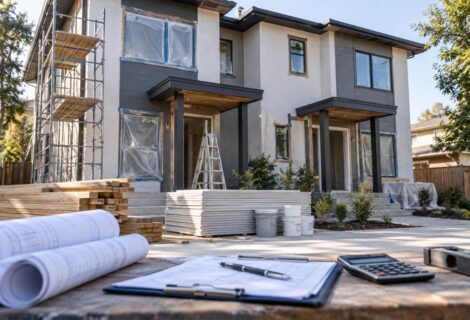
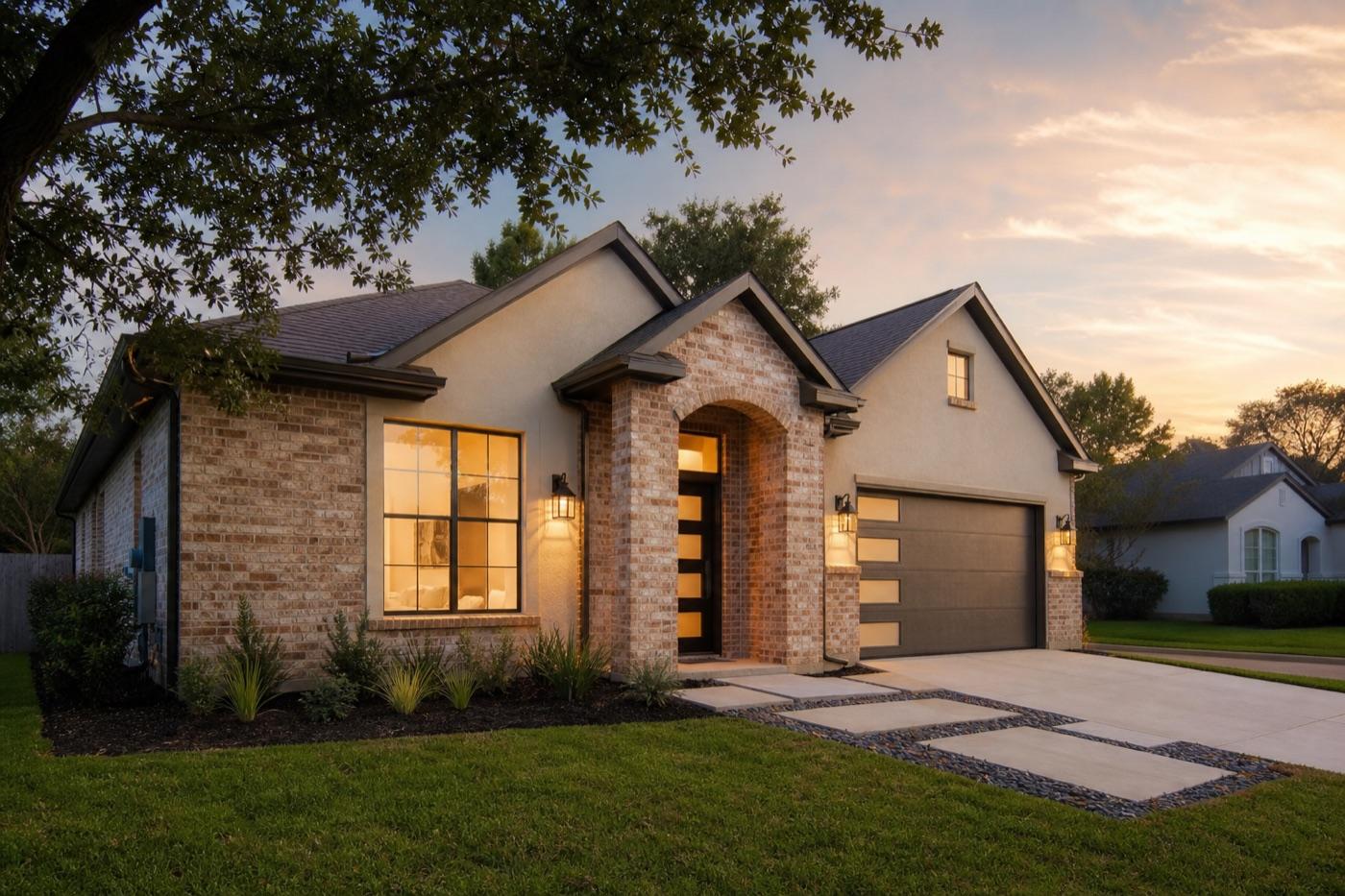
Texas remains one of the most active real estate investment markets in the country. Dallas-Fort Worth, Houston, San Antonio, and Austin continue to attract institutional and individual capital alike, while secondary markets like Lubbock, El Paso, and the Rio Grande Valley corridor are pulling in flippers and landlords who want entry-point pricing and solid rental demand. With deal volume high and competition real, knowing how to approach private money lenders in Texas with a fundable package is the difference between a term sheet in 24 hours and spinning your wheels for weeks.
This guide covers the preparation steps that actually move the needle — from understanding what private lenders underwrite to structuring your numbers so a credit committee can say yes quickly.
Why Texas Continues To Attract Private Lending Capital
Private and hard money lenders follow deal flow, and Texas generates an enormous volume of investment transactions. No personal income tax, steady in-migration from other states, and a business-friendly regulatory environment make it a natural home base for investors who need fast, asset-based financing.
From a lender’s perspective, Texas offers relatively predictable underwriting conditions: deep comparable sales data in metro areas, consistent title infrastructure, and a growing number of institutional rental operators who validate rent assumptions across submarkets. That exit liquidity — meaning the buyer pool available when you flip or refinance — matters enormously to any lender evaluating your deal.
For regulatory context, the Texas Department of Savings and Mortgage Lending oversees the mortgage lending industry in the state and is worth reviewing if you want to understand the licensing landscape for lenders operating here.
AMZA Capital funds deals across Texas, which ranks among its top deal-volume markets for both fix-and-flip and DSCR rental loans. Learn more about the lending program at AMZA Capital’s hard money lenders Texas page.
The Core Documents Private Lenders Need Before Quoting

One of the most common mistakes Texas investors make is requesting a rate or loan amount before they have a complete picture of the deal assembled. Lenders can’t responsibly quote terms without certain inputs, and an incomplete submission signals inexperience — which slows your approval and costs you credibility with the people making decisions.
Have the following ready before you contact any private lender:
Property Address and Current Status
An actual address lets a lender pull county records, flood zone classification, comparable sales, and zoning data. “A distressed single-family in Dallas” tells a lender almost nothing. An address tells them almost everything they need to start underwriting.
Purchase Price and Supporting Contract
If you’re under contract, provide the executed purchase agreement. If you’re still negotiating, provide your target price and a clear explanation of how you arrived at it. Lenders want to see that you understand market value and aren’t overpaying on the acquisition side.
After-Repair Value (ARV) With Comparable Support
ARV is arguably the single most important number in a fix-and-flip deal. Private lenders will run their own comp analysis, but submitting three to five comparable sales within a one-mile radius and a six-month recency window — adjusted for square footage, condition, and lot size — shows that you’ve done the work. Because lenders lend a percentage of ARV, a defensible ARV directly determines your loan ceiling.
Line-Item Rehab Scope and Budget
“About $40,000 in repairs” is not a scope of work. A fundable package breaks things down room by room or system by system: roof, HVAC, electrical panel, kitchen, bathrooms, flooring, exterior, landscaping. Each line item needs a cost estimate, ideally backed by contractor bids or your own documented track record on comparable projects.
Rental and Lease Information (For Income-Producing Properties)
If you’re financing a rental or planning a BRRRR exit, bring current lease agreements or a market rent analysis. Lenders evaluating DSCR deals are less focused on your personal tax returns and more focused on whether the property’s income can carry the debt. Use rent comps from the immediate submarket — not metro-wide averages.
FICO Context
Private money is more flexible than conventional lending, but credit still factors in. For fix-and-flip loans, AMZA Capital generally looks for a minimum FICO score of 660. Know your score before you apply, and be ready to explain any derogatory items — keeping that conversation proactive saves time for everyone.
Proof of Liquidity
Lenders need to confirm you can cover the down payment, closing costs, and a meaningful portion of the rehab budget. Two to three months of recent bank statements is the standard. If your liquidity sits in a brokerage or business account, have those statements ready as well.
Fix-And-Flip Underwriting: What Texas Investors Should Know
For residential fix-and-flip deals, private money lenders underwrite primarily against the property’s ARV and the borrower’s ability to execute the business plan. Here’s how the math typically works:
Most private lenders in Texas will advance a percentage of the purchase price and a percentage of the verified rehab budget, subject to an overall cap expressed as a percentage of ARV. A higher ARV gives you more leverage. An aggressive rehab budget on a soft ARV is where investors get squeezed.
AMZA Capital generally requires a projected profit margin of at least 20% on fix-and-flip deals. That margin is the spread between your all-in cost — purchase price plus rehab, carry costs, and closing costs — and the ARV. If your deal comes in below that threshold, you’re likely overleveraged or overpaying somewhere in the chain. Lenders who see thin margins will either decline or reprice.
Property Condition Thresholds
Not every distressed property qualifies for standard fix-and-flip terms. True shells — properties stripped of mechanical systems, missing drywall throughout, or structurally compromised — typically require construction underwriting rather than standard rehab loan terms. Be honest about condition upfront. Lenders order inspections and appraisals; surprises discovered mid-underwriting create delays and can result in reduced loan proceeds or a retrade on terms.
Experience Matters, But It’s Not A Dealbreaker
Newer investors can still access private money in Texas, though they may face tighter loan-to-value limits or higher reserve requirements. If you’re on your first or second deal, offset the experience gap with stronger documentation: a detailed scope, contractor qualifications, and conservative ARV support.
DSCR And Rental Loans: Structuring The Bridge-To-Refinance Exit
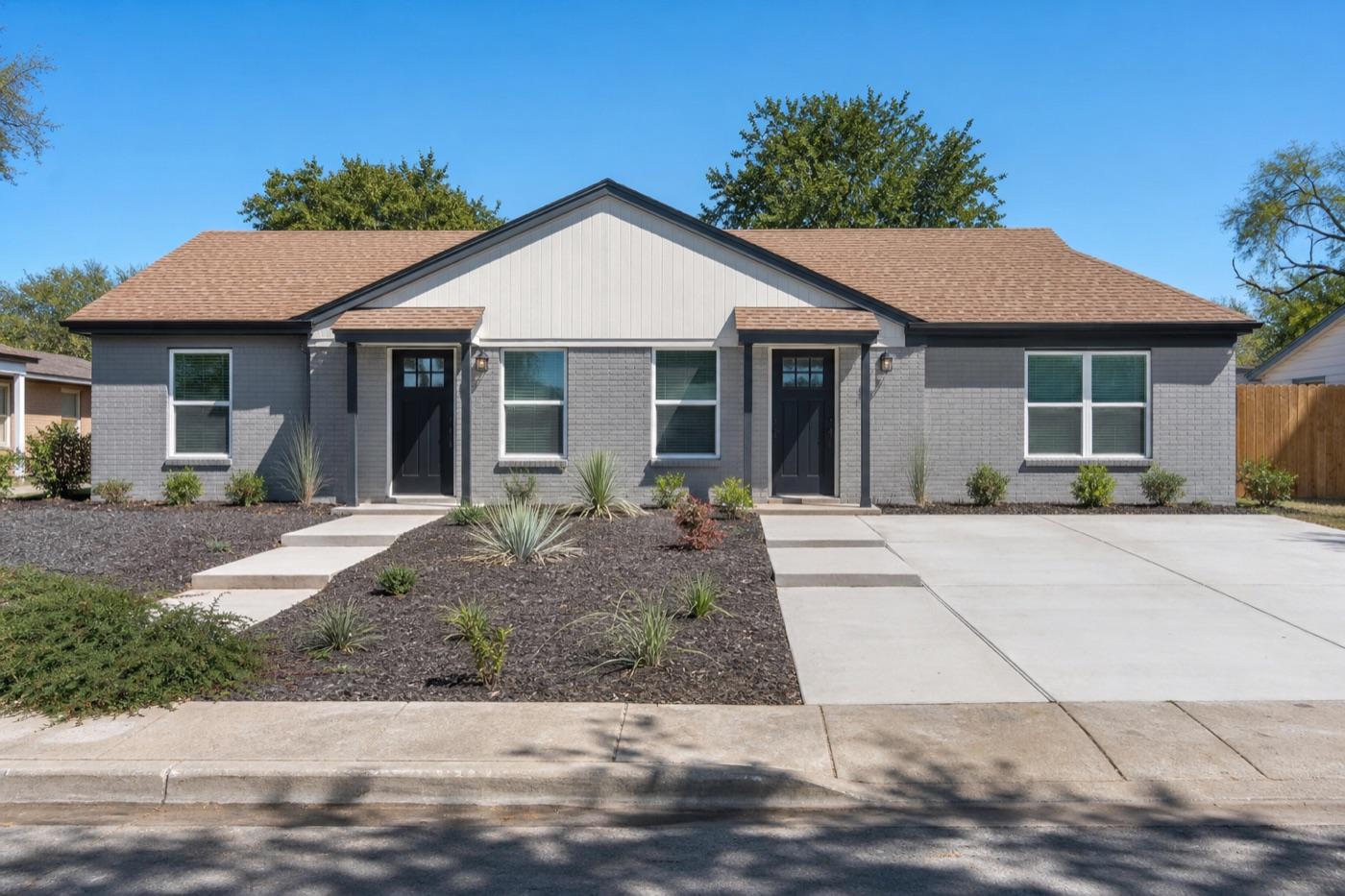
A significant share of Texas investment deals are structured as BRRRR plays — buy, renovate, rent, refinance, repeat. The refinance leg typically involves a DSCR loan, which qualifies the borrower based on the property’s rental income rather than personal income or employment history.
If you’re planning a bridge-to-DSCR exit, your front-end preparation should anticipate the refinance underwriting on the back end. That means:
- Targeting a market rent that supports a DSCR of at least 1.0 at the expected long-term rate — ideally 1.1 or higher to build in a buffer
- Executing renovations that support stabilized market rent, not just surface-level cosmetic updates
- Having a lease or signed rental agreement ready if the property is occupied at refinance time
AMZA Capital provides detailed guidance on DSCR loan preparation that applies directly to Texas deals. Investors planning this type of exit should review what real estate investors should prepare for DSCR loans before submitting a package.
Texas’s rental demand in its major metros — and increasingly in secondary cities like Killeen, Waco, and Midland — means supportable market rent assumptions are achievable across most deal scenarios. The key is using submarket-specific data, not statewide averages.
How To Submit A Package That Gets Reviewed Seriously
Once you have everything assembled, presentation matters. Private lenders see dozens of deal inquiries every week. A submission that opens with a one-page deal summary — address, purchase price, ARV, rehab budget, projected profit or DSCR, exit strategy, and borrower profile — gets reviewed faster than a message that says “I have a deal in Dallas, what are your rates?”
Structure your submission in this order:
1. Deal summary (one page)
2. Purchase contract or LOI
3. ARV comparable analysis
4. Line-item scope of work with cost estimates
5. Photos (interior and exterior, all rooms)
6. Borrower background and relevant experience
7. Bank statements and FICO context
8. Lease agreements or rent comps (for rentals)
AMZA Capital is licensed in Texas (CA DFPI 60DBO 86104, NMLS 2262631) and actively funds investment property loans across the state. A complete package submitted through the free quote process will receive a faster, more accurate response than any general inquiry.
Final Thoughts For Texas Investors
Texas deal volume is real, lender appetite for well-structured deals is strong, and the market continues to produce viable opportunities for fix-and-flip and rental investors. The investors who move fastest are the ones who show up prepared — with an address, a defensible ARV, a realistic scope, and a clear exit.
Private money isn’t a fallback option. For investment properties that need speed, flexibility, or simply don’t fit conventional underwriting, it’s often the right first call. The deal you prepare thoroughly today is the deal that closes on time.
Related Guides
More guides from AMZA Capital:
- Hard Money To DSCR Refinance In Texas: How Rental Investors Should Plan The Exit
- DSCR Loans In Texas: What Rental Investors Should Prepare Before Requesting Terms
- Fix And Flip Financing: How Investors Should Prepare A Fundable Rehab Deal
- Hard Money Loan Rates
- Hard Money Loan Documents
- Hard Money Loans in Georgia
- All investor loan guides by state and program
START WITH AMZA CAPITAL’S FREE QUOTE PAGE.
*This article is intended for informational purposes only and does not constitute legal, financial, or investment advice. Loan programs, rates, and eligibility requirements are subject to change and vary based on individual deal characteristics, borrower qualifications, and market conditions. No specific loan terms or availability are guaranteed. Investors should conduct their own due diligence and consult qualified legal and financial professionals before making investment decisions. AMZA Capital operates under CA DFPI license 60DBO 86104, NMLS 2262631.*