*By Adrian Mathai | AMZA Capital*
You're holding a contract on a 12-unit apartment building in Phoenix. The seller wants to close in three weeks. Your primary lender approved the permanent financing, but their 45-day closing timeline doesn't match the seller's urgency. Walking away costs you a $15,000 earnest money deposit and six months of deal sourcing. Your options narrow to one: bridge financing to close fast, then refinance into permanent debt within 12 months.
This scenario plays out hundreds of times monthly across commercial markets. Bridge loans exist to solve timing mismatches, not just provide expensive capital. The question isn't whether you need one — it's whether your deal profile, property fundamentals, and exit strategy align with what commercial real estate bridge loan lenders actually fund.
What Bridge Financing Solves And What It Does Not
Bridge loans close the gap between opportunity and traditional financing timelines. You need speed. Conventional commercial lenders need 60 to 90 days for full documentation, third-party reports, and committee approvals. Bridge lenders make credit decisions in 5 to 10 business days with streamlined underwriting focused on collateral value and borrower liquidity.
But speed comes with constraints. Bridge financing works when you have a clear exit strategy within 6 to 24 months. Refinancing into permanent debt. Property sale after value-add improvements. Cash-out from another asset disposition. The exit must be realistic, not speculative.
Bridge loans do not solve fundamental deal problems. Negative cash flow properties in declining markets remain negative cash flow properties regardless of loan structure. Borrowers without adequate liquidity or experience cannot bridge their way to qualification. Properties that fail standard underwriting criteria — wrong location, poor condition, problematic zoning — will fail bridge underwriting too.
The Real Underwriting Checklist: What Lenders Check First

Commercial bridge lenders evaluate six core factors before issuing terms. Collateral quality ranks first. Property type, condition, and location determine whether the deal moves forward.
Multifamily, retail, self-storage, and light industrial properties receive standard treatment from most bridge lenders. Office properties require additional scrutiny but remain fundable. Event centers, entertainment venues, and highly specialized properties face limited options, typically capped at 50% to 60% LTV even with strong borrower profiles.
Location matters more than borrowers expect. Population density tests eliminate rural and small-market properties from many bridge programs. Most lenders require 35,000+ local population or proximity to larger metropolitan areas. A profitable gas station in a 5,000-person town will struggle to find bridge financing regardless of cash flow.
Property value bands create different underwriting paths. Small balance commercial properties under $5 million follow one set of criteria. Large balance deals above $4 million trigger different requirements, often more flexible but with higher borrower qualification standards.
Borrower creditworthiness follows traditional metrics with bridge-specific overlays. FICO scores above 650 unlock standard LTV ratios up to 70%. Scores below 650 remain fundable but face LTV caps around 50%. Commercial real estate experience expectations vary by deal size and complexity.
Liquidity requirements exceed conventional financing. Bridge borrowers typically need 35% of the purchase price in readily available funds covering down payment, closing costs, initial debt service, and contingency reserves. This liquidity must be documented and seasoned, not borrowed against other properties.
Exit strategy clarity separates funded deals from declined applications. "I'll refinance when rates improve" is not an exit strategy. "I'll refinance with Bank ABC once the property reaches 85% occupancy in month 8" demonstrates planning. Lenders want specific timelines, realistic assumptions, and backup plans.
Common Reasons Deals Get Declined Or Repriced
Appraisal shortfalls kill more bridge loans than credit issues. Borrowers estimate property values based on listing prices or broker opinions of value. Professional appraisals often come in 10% to 15% lower, pushing LTV ratios above program limits. A deal structured at 70% LTV based on a $2 million assumption becomes an 80% LTV deal when the property appraises at $1.75 million.
Cash flow analysis reveals overly optimistic rent assumptions. Bridge lenders underwrite current market rents, not projected increases. A property showing breakeven cash flow at current rents might generate loan approval. The same property requiring 20% rent increases to cover debt service will face decline or significant LTV reduction.
Insufficient liquidity creates last-minute surprises. Borrowers calculate down payments but forget closing costs, prepaid insurance, property taxes, and initial repairs. A $1.5 million purchase might require $600,000 total cash when including all transaction costs and reserves.
Market timing issues affect certain property types. Office properties face increased scrutiny due to remote work trends. Retail properties require tenant mix analysis and lease rollover schedules. Hotel properties demand extensive market study even for bridge financing.
According to the Mortgage Bankers Association, commercial real estate lending standards have tightened across all property types since 2022, with bridge lenders maintaining more consistent criteria than traditional permanent lenders but requiring stronger borrower profiles to offset compressed margins.
How AMZA Capital Approaches Bridge Loan Requests
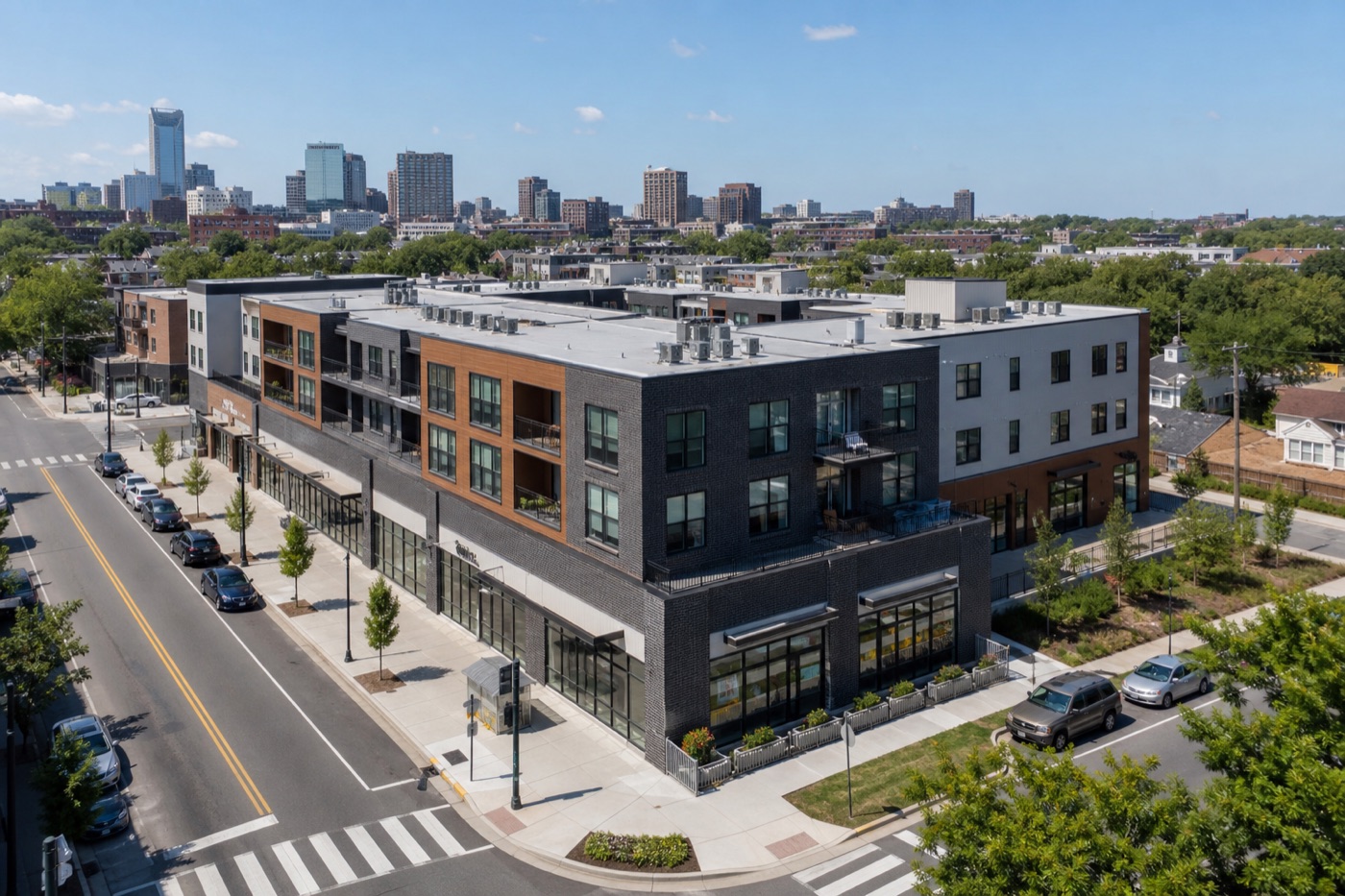
AMZA Capital structures bridge loans across the full spectrum from $150,000 small commercial properties to $75 million large balance deals. The approach differs by deal size and complexity, but every evaluation starts with the same question: does this borrower have a realistic path to exit within the loan term?
For small balance commercial properties, AMZA uses streamlined underwriting focused on property fundamentals and borrower liquidity. FICO scores above 650 access standard LTV ratios. Properties in markets meeting population density requirements receive priority processing. Owner-occupied commercial properties remain eligible, expanding options for small business owners acquiring their operating locations.
Large balance deals receive institutional-style underwriting but with bridge-appropriate speed. Experienced borrowers with demonstrated commercial real estate track records access higher LTV ratios and more flexible terms. Deal structures can accommodate complex ownership entities, partial interest acquisitions, and cross-collateralized portfolios.
AMZA Capital's network approach solves deals that fall outside standard bridge programs. Properties below minimum values, unique property types, or borrowers with credit challenges often find funding through AMZA's private investor relationships when traditional bridge lenders decline.
Rate structures reflect current market conditions and deal-specific risk factors. Small balance commercial bridge loans typically price between 9% and 12% with 1 to 4 points. Large balance deals access institutional pricing between 6.30% and 8.00%. Every deal receives individual evaluation rather than cookie-cutter treatment.
Geographic coverage spans 40+ states through various lending licenses and partnerships. Location-specific regulations and market knowledge ensure compliance while maximizing deal feasibility across diverse markets.
Preparing Your Deal Before Requesting Terms
Bridge loan preparation differs from conventional loan applications. Lead time matters less than documentation quality and realistic expectations.
Property information must be thorough and current. Recent photographs, rent rolls, expense statements, and maintenance records accelerate underwriting. For acquisition deals, provide purchase contracts, property condition assessments, and market rent surveys when available.
Financial documentation follows commercial lending standards but with bridge-specific focus. Personal and business tax returns, bank statements, and liquidity verification. For entity borrowers, include organizational documents and ownership structures. Bridge lenders often accept alternative documentation when traditional sources are unavailable, but expect longer processing times.
Exit strategy documentation demonstrates planning beyond hope. Refinancing scenarios should include potential lender contacts and preliminary qualification letters when possible. Sale-based exits need market analysis and realistic pricing assumptions. Value-add strategies require construction budgets, contractor quotes, and completion timelines.
Market research supports property value assumptions and exit strategy viability. Comparable sales, rent surveys, and occupancy trends in the immediate market area. Bridge lenders understand local markets but appreciate borrower diligence in presenting supporting data.
Property Type Considerations For Bridge Loans
Different property types face varying levels of acceptance among bridge lenders. Self-storage facilities typically receive favorable treatment due to stable cash flows and strong resale markets. Medical office buildings require additional tenant analysis but remain attractive collateral.
Industrial properties split into subcategories. Warehouse and distribution facilities receive standard underwriting. Manufacturing properties with specialized equipment or environmental concerns face stricter evaluation. Flex space properties combine office and industrial characteristics, requiring careful tenant mix analysis.
Retail properties depend heavily on anchor tenant quality and lease terms. Strip centers anchored by national tenants process smoothly. Smaller retail without credit tenants require detailed market analysis and conservative valuations. Single-tenant retail properties succeed or fail based on tenant credit and lease structure.
Hotel properties represent the most complex bridge loan category. Limited-service hotels in strong markets can find financing, but expect extensive due diligence on management contracts, franchise agreements, and market penetration studies. Full-service hotels rarely qualify for standard bridge programs.
Special purpose properties like churches, funeral homes, and car washes require specialized lenders within the bridge space. These properties often face limited exit strategies, making traditional bridge financing inappropriate despite stable cash flows.
Market Timing And Economic Factors
Bridge lending operates differently across economic cycles. During stable markets, bridge loans focus on timing mismatches and quick closings. In volatile markets, bridge financing becomes a necessity for buyers and sellers who cannot wait for conventional loan processing.
Interest rate environments affect bridge loan demand. Rising rate periods increase refinancing complexity, extending bridge loan terms as borrowers wait for more favorable permanent financing conditions. Falling rate periods see faster exits as borrowers rush to lock permanent loans.
Regional market conditions vary widely. Urban markets with diverse economies support most property types. Secondary markets require careful property type selection. Tertiary markets limit options to essential properties with strong local demand.
Construction markets influence value-add bridge deals. High construction costs and extended timelines make renovation projects more expensive and risky. Bridge lenders adjust LTV ratios and require larger reserves for deals involving significant property improvements.
Credit markets affect bridge loan availability and pricing. Tight credit conditions reduce competition among bridge lenders, increasing rates and tightening terms. Loose credit markets create more options but may indicate economic conditions that affect exit strategy execution.
Moving Forward With Bridge Financing
Bridge loans solve timing problems for prepared borrowers with solid collateral and clear exit strategies. They do not solve fundamental deal problems or replace proper due diligence.
Start with realistic LTV expectations based on conservative property valuations. Plan for higher liquidity requirements than conventional financing. Document your exit strategy with specific timelines and backup scenarios.
Commercial real estate markets continue evolving, but bridge financing remains essential infrastructure for active investors. Properties that make sense at permanent financing LTVs make sense at bridge financing LTVs. Properties that do not pass basic underwriting standards will struggle regardless of loan type.
AMZA Capital provides creative bridge financing solutions when standard programs fall short. Our licensed mortgage lender platform and private investor network create options for deals that require flexible structures or fall outside typical program parameters.
This content is provided for informational purposes only and does not constitute financial, legal, or investment advice. AMZA Capital is a licensed mortgage lender (CA DFPI 60DBO 86104 | NMLS 2262631). Actual loan terms, rates, and availability vary. Consult a licensed financial professional before making investment decisions.
For a free, no-obligation quote, fill in and submit one of our quote forms below — only takes a minute!
START WITH AMZA CAPITAL'S FREE QUOTE PAGE.