
Bridge Loans in New Jersey
Understanding A Bridge Loan In New Jersey
New Jersey commercial real estate rarely waits for a good financing window. A mixed-tenant retail strip in Middlesex County hits the market with half its bays dark. A garden-style apartment complex in Passaic County needs new roofs and unit turns before it can carry permanent debt. A warehouse near the Turnpike corridor sells from an owner-user who put off maintenance for ten years. In each case, the property today isn’t the property a long-term lender wants to finance. A bridge loan covers the time in between.
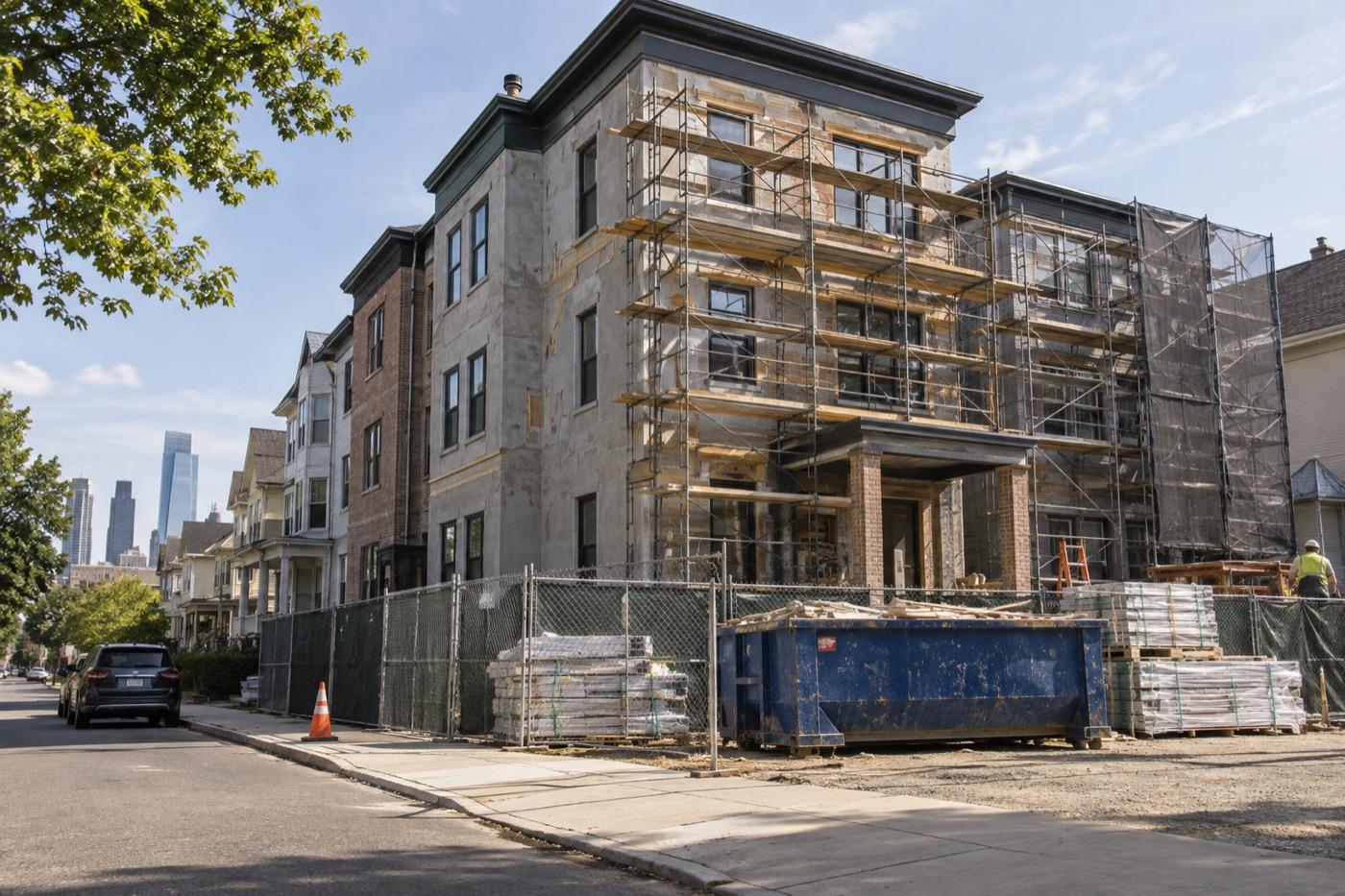
This guide covers how commercial bridge financing is usually structured, how to underwrite your own deal before you call a lender, and which New Jersey issues belong in your business plan. It also lists the commercial bridge terms AMZA Capital works with, so you can test a deal against real numbers instead of guesses.
What A Bridge Loan Does For A New Jersey Commercial Property
A commercial bridge loan is short-term financing secured by real estate. It carries an investor through a transitional period, such as acquisition and renovation, lease-up, or repositioning, until the asset can support a sale or a longer-term refinance.
Permanent lenders, including banks, life companies, agency lenders, and CMBS conduits, generally underwrite the cash flow a property produces now. A building that’s 60% occupied, rented below market, or in need of capital work before it can be leased often doesn’t fit their criteria yet. Bridge capital looks at the plan instead: what the property costs to buy, what it costs to fix, and how the investor intends to exit.
That structure suits New Jersey’s inventory. A lot of the commercial stock in older municipalities, from Paterson and Elizabeth to Trenton and Camden, was built decades ago and needs mechanical, envelope, or code work before it can compete for tenants. At the same time, suburban retail and office properties in Bergen, Morris, and Monmouth counties are being re-tenanted or partly converted as demand changes. Both situations need capital that pays for the transition itself.
The Commercial Bridge Terms AMZA Capital Works With

AMZA Capital’s commercial bridge program uses the terms below. Where AMZA offers the program, these terms apply the same way across states.
- Loan size: $500,000 and up
- Loan-to-cost: 50% to 70%
- Interest rate range: 9.49% to 14%
- Interest structure: Interest-only
- Term: 12 to 36 months
- Loan purpose: Purchase and rehab, or refinance and rehab
- Property types: Multifamily, retail, self storage, office, warehouse, and some light industrial
Where a given deal falls within those ranges depends on the property, the plan, and the whole file. The figures later in this article are illustrations for running your own numbers. They are not quotes or offers. To confirm whether the program is available for a specific New Jersey property, start with the quote request linked at the bottom of this page.
Which Property Types Fit The Program
The program covers a defined set of commercial asset classes, and each one tends to show up in New Jersey with its own kind of bridge scenario.
Multifamily
Apartment buildings with five or more units are a common bridge use: buy a building with deferred maintenance or below-market rents, renovate units and common areas, stabilize occupancy, then refinance. In New Jersey, find out early whether the municipality has a rent control or rent leveling ordinance. Several cities do, and those rules can limit the rent growth your exit is counting on.
Retail
Neighborhood strips and small shopping centers often sell with vacancy or leases rolling soon. Bridge capital can fund the purchase along with façade work, tenant improvements, or re-demising bays for new tenants.
Self Storage
Value-add storage deals fit a bridge timeline when the route to stabilized revenue is clear. Typical examples include adding climate-controlled units, improving access and security, or bringing a poorly run facility up to market occupancy.
Office
With office, the business plan carries the most weight. If you’re re-tenanting, moving toward medical office, or reconfiguring suites, bring market leasing data and absorption assumptions you can defend.
Warehouse And Light Industrial
New Jersey sits between the Port of New York and New Jersey and the major East Coast population centers, which keeps industrial space in demand. Older warehouses with low clear heights, outdated loading, or roof and slab problems are frequent renovation candidates. The program covers some light industrial property, so describe the use and any environmental history plainly when you submit the deal.
How Loan-To-Cost Shapes Your Equity In A New Jersey Deal
Loan-to-cost (LTC) compares the loan to the total project cost, which is the acquisition price plus the renovation budget. This is the ratio that sets how much cash you need to bring.
A simplified example:
| Item | Amount |
|---|---|
| Purchase price (Middlesex County warehouse) | $2,000,000 |
| Renovation budget | $500,000 |
| Total project cost | $2,500,000 |
| Loan at 50% LTC | $1,250,000 |
| Loan at 70% LTC | $1,750,000 |
| Investor equity at 50% LTC | $1,250,000 |
| Investor equity at 70% LTC | $750,000 |
That’s a $500,000 difference in required equity, which is why you should model more than one scenario. Build your capital stack around the conservative end of the range and treat higher leverage as upside.
Your cash also has to cover closing costs, title and recording charges, any reserves you decide to hold, and soft costs like architecture and permitting. If your model shows exactly enough equity to meet the LTC figure and nothing more, it has no room for surprises.
Build A Renovation Budget That Holds Up
A budget you can defend is broken into line items, not one lump sum. Separate out roofing, mechanical, electrical, plumbing, envelope, interiors, site work, and contingency. In New Jersey, where labor is expensive and municipal inspections can be thorough, a 10% to 15% contingency is a common planning practice. Contractor bids or a scope from an experienced general contractor carry much more weight than an owner’s estimate.
What Carrying Costs Look Like On An Interest-Only Bridge Loan
The program is interest-only, so monthly payments cover interest and don’t pay down principal. That keeps carrying costs lower during renovation, when the property may bring in little or no income. It also means the full principal comes due at maturity, so the exit plan matters a great deal.
To estimate carrying cost, multiply the loan amount by the annual rate and divide by 12.
Using the $1,500,000 loan at the 60% midpoint of the LTC range from the example above:
- At 9.49%: about $11,863 per month, or roughly $142,350 per year
- At 12%: about $15,000 per month, or $180,000 per year
- At 14%: about $17,500 per month, or $210,000 per year
Run your deal at the top of the range. If the project only works at the lowest rate, the margin is thin. Then add the holding costs that keep running during a renovation: property taxes, insurance (including builder’s risk during construction), utilities, security, and any vacancy you’re carrying.
New Jersey Property Taxes Belong In The Carry Model
New Jersey’s property taxes are among the highest in the country, and commercial assessments can be large. Get the current tax bill during due diligence, check whether the municipality has a revaluation or reassessment pending, and think about whether your finished renovation could trigger an added assessment. Underestimated taxes are one of the most common reasons a New Jersey bridge budget gets tight.
Planning The Exit Before You Close
With terms of 12 to 36 months, write down your exit strategy before you sign anything. Most bridge exits fall into one of two categories.
Refinance into permanent debt. After the property is renovated and stabilized, you replace the bridge loan with longer-term financing. To underwrite this exit, estimate stabilized net operating income, apply the debt service coverage and loan-to-value limits a permanent lender is likely to use, and confirm the new loan pays off the bridge balance. For stabilized multifamily, some investors consider HUD-insured financing and look up participating lenders through HUD’s published lender listing, such as its Admin Contact document. Those programs come with their own requirements and timelines.
Sale. You renovate, lease up, and sell to a buyer who values the stabilized income. Use a conservative exit cap rate, ideally higher than today’s market cap rate, and subtract broker commissions and New Jersey transfer-related costs when you estimate net proceeds.
Either way, match the term to a realistic schedule. If permitting, construction, and lease-up will reasonably take 20 months, a 12-month term puts you under pressure. Leave room for permit delays, contractor scheduling, and leasing that runs slower than planned.
The permanent lending market also changes over time through bank mergers, shifts in lender appetite, and regulatory decisions. Federal Reserve orders, such as its Order Approving the Acquisition of a Savings and Loan …, are one public record of how the institutions that might become your refinance lenders change. The takeout lender you have in mind today may look different by the time your bridge loan matures.
New Jersey Details That Affect A Bridge Business Plan
A few state-specific issues come up often enough that you should plan for them early. This isn’t legal advice. Work with New Jersey counsel, a local title company, and qualified consultants on your specific property.
- Certificates of occupancy at sale or tenant change. Many New Jersey municipalities require a certificate of occupancy or a similar inspection when a property changes hands or a new tenant moves in. Learn the local rules early, because a failed inspection can delay closings and lease start dates.
- Environmental history. For warehouse, light industrial, and some retail properties, such as former gas stations or dry cleaners, New Jersey’s environmental rules can significantly affect cost and timeline. A Phase I environmental site assessment is standard diligence, and any recognized environmental conditions should be disclosed up front.
- Zoning and use approvals. A change of use, like converting office to medical or reconfiguring retail, may need planning or zoning board approval. Board calendars can add months, so account for that when choosing a term.
- Rent regulation. As mentioned above, check municipal rent ordinances on any multifamily deal before you finalize projected rents.
- Flood exposure. Coastal and riverine areas, including much of the Shore, the Meadowlands, and towns along the Passaic and Raritan rivers, may have flood zone designations that affect insurance costs and renovation requirements.
What To Have Ready Before You Request A Quote
An organized package helps a lender understand your deal quickly. For a commercial bridge request, investors usually put together:
- Property details: address, asset type, size, unit or suite count, year built, and current condition.
- Purchase or payoff information: the contract and price for an acquisition, or the existing loan payoff for a refinance-and-rehab.
- Renovation scope and budget: broken into line items, with contractor bids where you have them.
- Current operating data: rent roll, trailing operating statements, and leases, if the property produces income.
- Business plan and exit: stabilized projections, target timeline, and whether you plan to refinance or sell.
- Sponsor background: your experience with similar projects, current real estate holdings, and where your equity is coming from.
Be upfront about problems such as environmental issues, vacancy, or tenant disputes. The conversation usually goes more smoothly when those come out early rather than turning up later in diligence.
Working With AMZA Capital On A Commercial Bridge Loan
AMZA Capital provides commercial bridge financing for real estate investors working on purchase-and-rehab and refinance-and-rehab projects involving multifamily, retail, self storage, office, warehouse, and some light industrial properties. The program covers loans from $500,000 and up, at 50% to 70% loan-to-cost, with interest-only rates in the 9.49% to 14% range and terms from 12 to 36 months.
If you have a New Jersey commercial property that needs capital to get from where it is now to where you plan to take it, the next step is to send the deal details so the AMZA team can review the scenario and confirm program availability for your property.
Disclaimer: This article is for general informational purposes only and does not constitute legal, tax, financial, or investment advice. Examples are hypothetical illustrations, not quotes, offers, or commitments to lend. All loans are subject to review, underwriting, and approval, and program terms may change. Consult qualified legal, tax, and financial professionals regarding your specific situation.
For AMZA Capital’s commercial bridge program, rates range from 9.49% to 14% as of July 27, 2026, and are subject to change. Rates vary based on FICO, borrower experience, property cash flow, and location.
Related Guides
More guides from AMZA Capital:
- Hard Money Lenders In New Jersey: What Investors Should Prepare Before Requesting Terms
- Fix And Flip Funding In New Jersey: What Investors Should Prepare Before Requesting Terms
- Bridge Loan For Fix And Flip: How Investors Should Structure Acquisition, Rehab, And Exit
- Bridge Loan Rates
- Bridge Loan Requirements
- Bridge Loans in Maryland
- All investor loan guides by state and program
START WITH AMZA CAPITAL’S FREE QUOTE PAGE.
This article is for informational purposes only and does not constitute financial or investment advice. AMZA Capital is a licensed mortgage lender (CA DFPI 60DBO 86104 | NMLS 2262631). Consult a licensed professional before making financial decisions.