Most investors focus on the rate when they look at a debt service coverage ratio (DSCR) loan. The closing costs matter just as much. Lender fees, third-party reports, title charges, escrow deposits, and prepaid items all affect how much cash you bring to the table. On a buy-and-hold rental they cut into your return, and on a refinance they reduce how much equity you actually walk away with.
This guide covers what usually goes into closing costs on a DSCR loan, why they differ from one file to the next, and what to have ready before you ask for terms. The aim is a cash-to-close estimate you can rely on, without surprises near the end.
Why Closing Costs On A DSCR Loan Work Differently
A DSCR loan is underwritten mostly on whether the property can cover its own debt service, not on your personal income documents. The lender compares the property’s gross rent (actual or market) to the proposed monthly payment. That payment usually includes principal, interest, taxes, insurance, and any HOA dues. The resulting ratio drives a large part of the review.
Since the property carries the underwriting, some closing cost items exist to support that review. An appraisal on a rental often includes a rent schedule or market rent analysis. Insurance has to be in place, and adequate, before closing because the premium goes straight into the payment used in the coverage calculation. Property taxes get a close look for the same reason. Each of these steps costs money, and each can move the final numbers.
DSCR loans are also business-purpose loans, and many close in the name of an LLC or another entity. That can mean entity review, organizational documents, and sometimes extra title or legal work you wouldn’t see on an owner-occupied mortgage.
The Main Categories Of Closing Costs

Actual amounts depend on the lender, the property, the state, the loan size, and the type of transaction. Rather than quote figures that may not fit your deal, it’s more useful to know the categories. Then you can go through a fee worksheet line by line and ask good questions.
Lender Fees
These are the lender’s charges for originating, underwriting, and processing the loan. You may see them listed as origination points, an underwriting fee, a processing fee, or a document preparation fee. Some lenders also let you pay points to adjust the rate. Whether that’s worth it depends on how long you expect to keep the loan and how the trade-off fits your cash flow projections.
When comparing offers, add up total lender charges instead of fixating on one line. A low origination fee combined with higher administrative fees can cost the same as, or more than, an offer set up the other way around.
Third-Party Reports
Third-party costs pay for work done by vendors outside the lender. On a DSCR loan, these often include:
- Appraisal, usually with a rent schedule for single-family rentals or an operating income analysis for small multifamily properties
- Credit report for each guarantor
- Background or entity checks when borrowing through an LLC
- Flood certification to determine whether flood insurance is required
- Additional inspections or reviews when the property type, condition, or location calls for them
Appraisal fees vary quite a bit with property type, location, complexity, and how fast you need the report. A two-to-four unit property or a rural home usually takes more appraiser work than a standard suburban single-family rental.
Title And Settlement Charges
Title and escrow (or settlement attorney) charges cover the lender’s title insurance policy, an owner’s policy on purchases, settlement or closing fees, recording fees, and sometimes courier or notary charges. Some states also impose transfer or mortgage taxes, and in certain markets those make up a large share of total costs.
The title company, the settlement agent, and local rules set most of these charges, not the lender. Where the transaction allows it, some investors shop title providers to keep this part of the budget in check.
Prepaid Items And Escrow Deposits
Prepaids aren’t fees in the usual sense. They’re funds collected up front for ongoing property expenses:
- Per diem interest from the closing date to the end of the month
- The first year of hazard insurance premium, if not already paid
- An initial deposit into the escrow account for property taxes and insurance
Escrow deposits catch a lot of investors off guard, particularly when the closing lands shortly before a tax installment is due. Check the local tax calendar when picking a closing date so this line doesn’t surprise you.
Reserve Requirements
Reserves aren’t a closing cost, but they affect how much cash you need on hand. Lenders often want a set number of months of payments sitting in verified accounts after closing. If your cash-to-close plan spends every dollar you have, the file can stall at the reserve review even if you can technically pay the closing costs.
How Purchase And Refinance Transactions Differ
On a purchase, closing costs come on top of your down payment. The seller may agree to pay part of them through a concession, but lenders generally cap how much seller credit can be applied. Check any concession against the lender’s guidelines before you finalize the purchase contract.
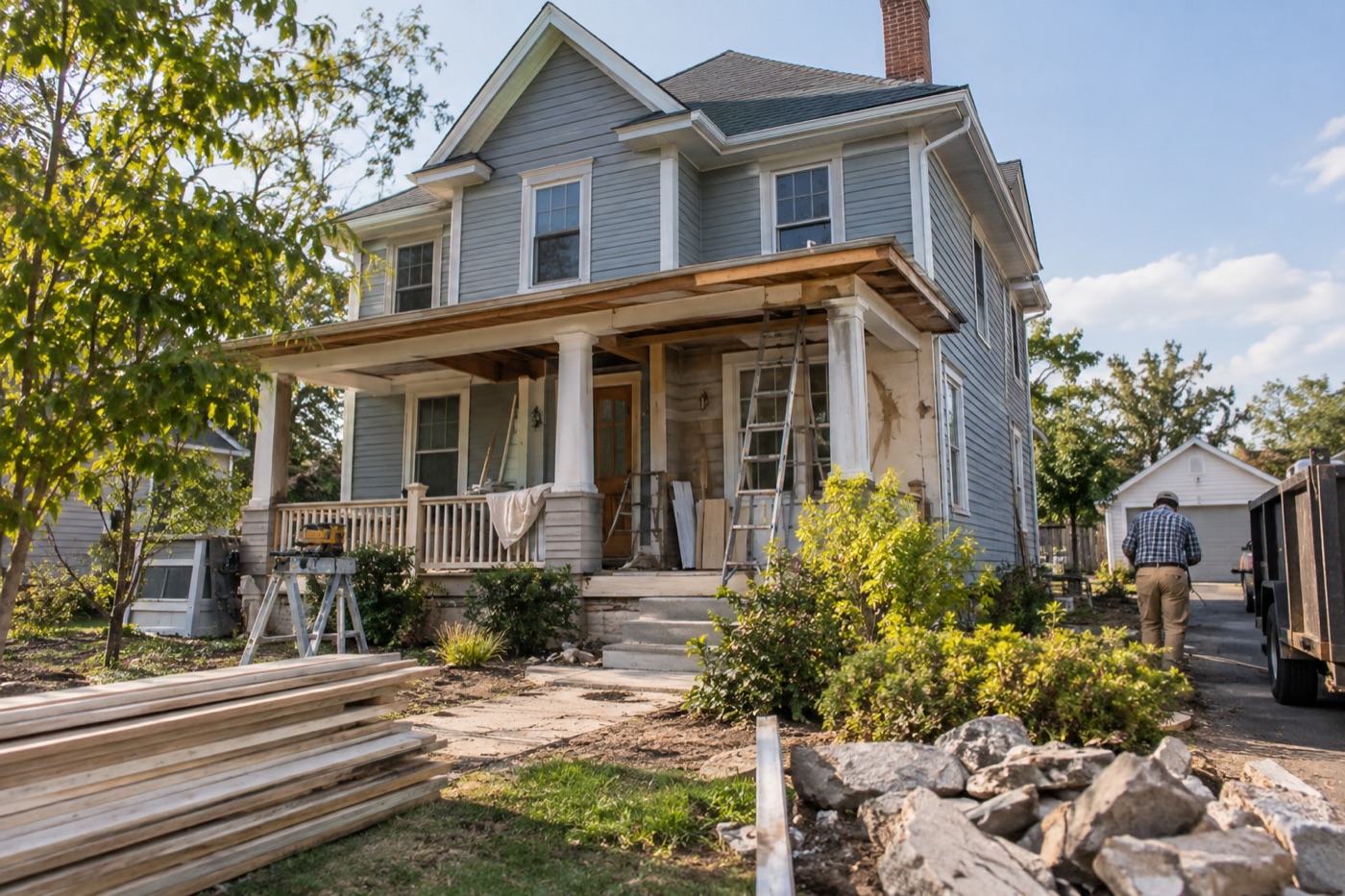
On a refinance, closing costs are usually paid from loan proceeds. On a cash-out refinance that lowers the cash you receive; on a rate-and-term refinance it raises the balance. If you’re refinancing after a renovation, document the work. A clear record of the rehab scope, costs, and finished condition helps the appraiser and underwriter see how the property’s value changed. Without it, the appraisal may not reflect the improvements you’re counting on.
A refinance also pays off the existing loan. Payoff statements can include prepayment penalties, per diem interest, and fees from the current lender, and all of these reduce your net proceeds.
Where Rates Fit Into The Total Cost Picture

Rate and closing costs are connected. You can sometimes pay more up front for a lower rate, or the reverse. As of October 6, 2026, rates for DSCR buy-and-hold and refinance loans with AMZA Capital range from 6.00% to 8.99%, and rates are subject to change. Where a given loan lands in that range depends on factors such as FICO score, borrower experience, the property’s cash flow, and location. Loan structure, leverage, and prepayment terms can also matter.
A rate quote without the full set of fees and prepaid items is only part of the picture. When comparing options, model total cost over the period you expect to hold, including any prepayment penalty that could apply if you sell or refinance early.
What Lenders Review Before Quoting Terms
The biggest reason closing costs shift is an incomplete file. When key information arrives late, appraisals get revised, insurance gets re-quoted, title issues come up, and closing dates slide. Each delay can add per diem interest, rate lock extension costs, or reissued reports.
Before requesting terms, get these items together:
- Property address and type. Single-family, two-to-four unit, condo, or small multifamily; location and condition matter for both value and rent.
- Loan purpose. Purchase, rate-and-term refinance, or cash-out refinance.
- Purchase price or current value support. For refinances, recent comparable sales and documentation of any improvements.
- Rehab scope, if applicable. What was done, what it cost, and when it was finished. If the property was recently renovated, support for the after-repair value (ARV) helps frame the valuation discussion.
- Rent and lease information. Current leases, rent rolls, and payment history for occupied units; market rent support for vacant ones.
- FICO context. A general sense of your credit profile so pricing discussions start from realistic assumptions.
- Liquidity. Bank or brokerage statements showing funds for down payment, closing costs, and reserves.
- Experience. A schedule of real estate owned and past projects, if you have them.
- Entity documents. Articles of organization, operating agreement, EIN letter, and good-standing certificate if closing in an LLC.
- Insurance quote. A realistic premium estimate, since it feeds into the coverage ratio.
- Exit or hold plan. How long you plan to hold and whether a future sale or refinance is likely, which affects how much weight to give prepayment terms.
AMZA Capital has a more detailed checklist for this stage in DSCR loans: what real estate investors should prepare. Going through it before you submit a request can save several rounds of follow-up questions.
Common Ways Closing Costs Grow Late In The Process
Experienced investors run into cost creep too. The usual causes:
- Underestimated insurance. A higher-than-expected premium raises the monthly payment, lowers the coverage ratio, and can force a restructure.
- Unexpected property taxes. In areas that reassess on sale, a purchase may carry a higher tax basis than the seller’s current bill shows.
- Appraisal issues. A value or rent conclusion below expectations can change leverage, which can change pricing and cash to close.
- Title defects. Old liens, unreleased mortgages, or vesting problems take time, and sometimes money, to clear.
- Entity documentation gaps. Missing operating agreements or lapsed good standing can delay closing.
- Rate lock extensions. If closing slips past the lock period, extension costs may apply.
You can see most of these coming. Get an insurance quote early, check the local reassessment rules, and order a preliminary title report as soon as you can.
Reading The Fee Estimate Like An Underwriter
When a fee estimate comes in, put each line into one of four groups: lender charges, third-party charges, government charges (recording and transfer taxes), and prepaids or escrows. That shows you which costs are negotiable, which depend on the providers you pick, and which are set by local rules or timing.
Next, check the estimate against the deal as it really stands. Is the insurance number from an actual quote or a placeholder? Does the tax estimate account for a possible reassessment? Is the closing date realistic given appraisal and title timelines? An estimate is only as reliable as the assumptions behind it.
For broader context on where investor lending and mortgage costs are heading, the FRED mortgage rate series publishes research on housing finance trends, and SBA loan programs follows industry developments that can affect pricing and fees.
Working With AMZA Capital On A DSCR Request
AMZA Capital works with real estate investors on business-purpose financing, including DSCR loans for buy-and-hold purchases and refinances. An organized file leads to a more useful conversation. When property details, rent information, liquidity, and loan purpose are clear from the start, the discussion about structure and costs can focus on the actual deal instead of guesses.
Submitting a request does not guarantee terms or approval. Every file is reviewed on its own merits, and final terms depend on full underwriting, appraisal, title, and documentation. What a clear picture of your deal does is make sure any figures you see are based on the property you’re actually financing.
When you’re ready to share the details of your property, you can submit them through the free quote page.
This article is for general informational purposes only and does not constitute legal, tax, or financial advice. Loan programs, rates, fees, and terms are subject to change and are not a commitment to lend. All loans are subject to underwriting review and approval. Consult qualified professionals about your specific situation.
For AMZA Capital’s DSCR program, rates range from 6.00% to 8.99% as of October 6, 2026, and are subject to change. Rates vary based on FICO, borrower experience, property cash flow, and location.
Related Guides
More guides from AMZA Capital:
- DSCR Loans: What Real Estate Investors Should Prepare Before Asking For Terms
- Financing Rental Properties: What Investors Should Prepare Before Asking For Terms
- DSCR Loan Requirements: What Rental Investors Should Confirm Before Requesting Terms
- DSCR Loans in Florida
- DSCR Loans in California
- All investor loan guides by state and program
START WITH AMZA CAPITAL’S FREE QUOTE PAGE.
This article is for informational purposes only and does not constitute financial or investment advice. AMZA Capital is a licensed mortgage lender (CA DFPI 60DBO 86104 | NMLS 2262631). Consult a licensed professional before making financial decisions.