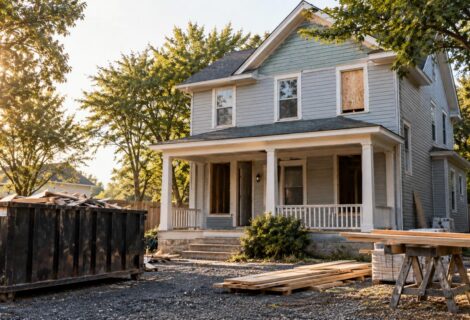
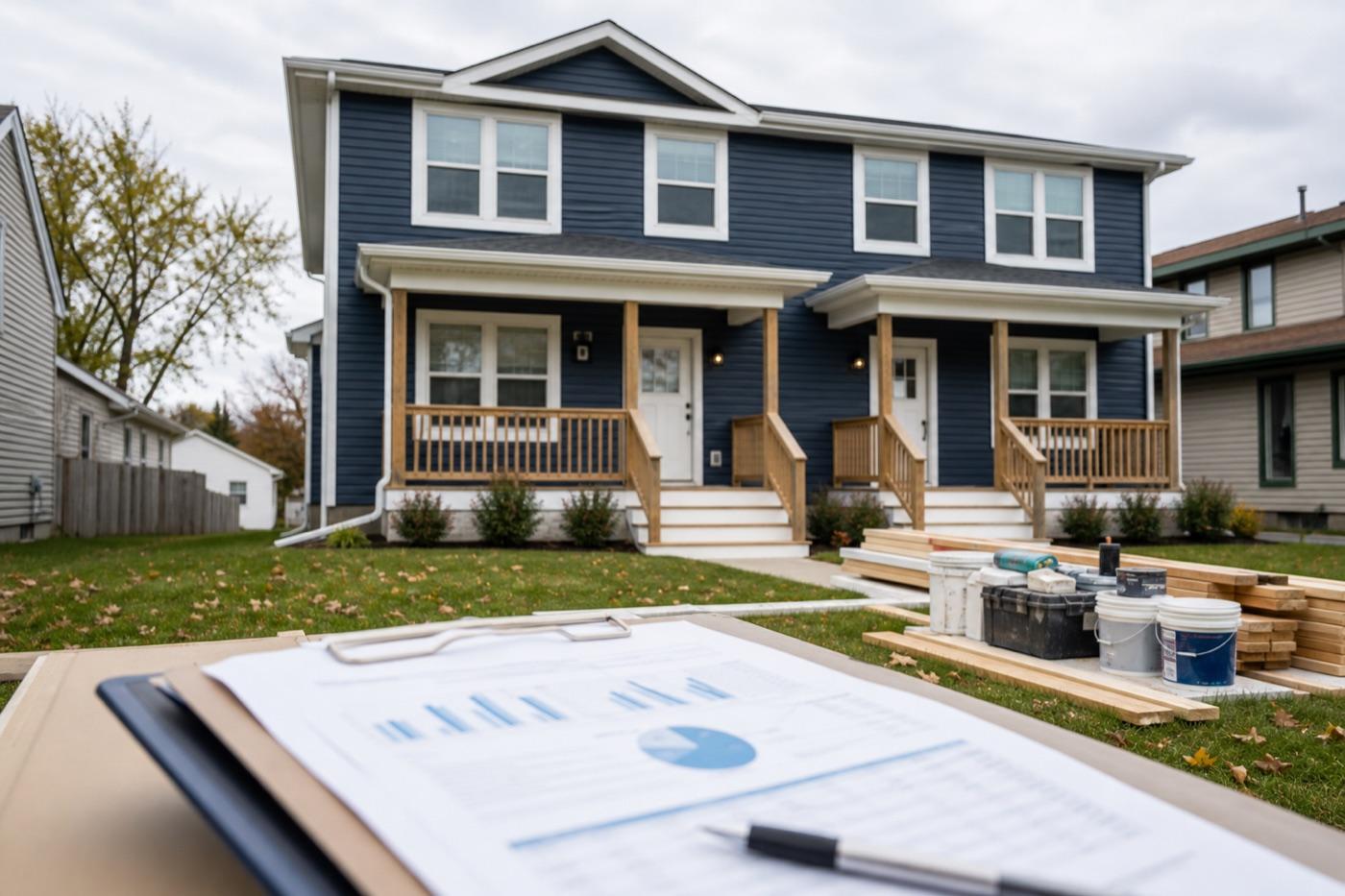
A Cleveland investor finds a duplex listed at $85,000 that needs $40,000 in rehab work. The after-repair value looks promising at $180,000 based on recent sales. But before putting the property under contract, they want to know if the numbers will actually work for a fix and flip loan. Smart approach—because Ohio lenders evaluate specific criteria that can make or break funding decisions.
Ohio’s real estate markets offer solid opportunities for fix and flip investors, from established neighborhoods in Columbus and Cincinnati to emerging pockets in Toledo and Dayton. But securing financing requires more than finding a good deal. Lenders want to see concrete evidence that your project makes financial sense, your rehab budget is realistic, and you have enough liquidity to complete the flip successfully.
What Fix And Flip Lenders Actually Evaluate In Ohio
Fix and flip lenders don’t just look at your credit score and call it done. They’re underwriting the property, the project scope, your financial capacity, and the local market conditions that affect your exit strategy.
Most Ohio fix and flip lenders set minimum purchase price requirements around $75,000 before rehab costs. This floor exists because smaller deals often don’t generate enough loan revenue to justify the underwriting and closing expenses. If you’re looking at properties below this threshold, you might need to consider cash purchases or alternative financing structures.
FICO scores of 660 or higher are typically required for fix and flip financing in Ohio. Higher credit scores can improve your leverage options and potentially reduce your cost of capital. If your credit is below 660, focus on improving your score before applying rather than hoping for an exception.
For 1-4 unit residential flips in Ohio, many lenders don’t require prior flipping experience. However, having completed previous projects can strengthen your application and potentially improve your loan terms. Document any relevant experience in construction, property management, or real estate investing. It all helps establish your credibility as a borrower.
Breaking Down The Key Underwriting Components

Your ARV projection needs solid comparable sales data from the local market. Ohio markets vary significantly. What works in German Village doesn’t necessarily translate to Akron or Youngstown. Lenders typically look for comps within a half-mile radius, sold within the past six months, with similar square footage and features.
The ARV determines how much you can potentially borrow, but remember that lenders also evaluate whether your projected profit margin makes sense. If your purchase price plus rehab costs plus carrying costs leave minimal room for profit, expect pushback even if the numbers technically work.
Avoid submitting a rehab budget that simply states “$40,000 renovation.” Lenders want line-item details: $8,000 for kitchen cabinets and appliances, $12,000 for two bathroom renovations, $6,000 for flooring, $5,000 for HVAC repairs, $4,000 for exterior paint and landscaping, $3,000 for electrical updates, and $2,000 contingency.
This level of detail serves two purposes. It demonstrates that you’ve actually walked the property and assessed what needs to be done. It also helps the lender evaluate whether your budget is realistic based on local contractor costs.
Ohio properties cannot be in gutted or shell condition for standard fix and flip financing. If the property lacks basic systems (plumbing, electrical, HVAC) or requires structural work, it may trigger ground-up construction underwriting instead. This involves different qualification requirements, longer approval timelines, and often higher capital requirements.
For hard money fix and flip loans, the property should be habitable or require cosmetic to moderate renovations. Think updating kitchens and bathrooms, replacing flooring, fresh paint, and mechanical repairs rather than complete rebuilds.
Ohio Market Considerations For Smaller Cities And Rural Areas
Ohio’s major metropolitan areas like Columbus, Cleveland, and Cincinnati typically offer the most straightforward path to financing approval. These markets have ample comparable sales data, established contractor networks, and proven exit strategies through retail sales or rental conversion.
Contrary to what some investors assume, suburban and rural Ohio properties can be acceptable for fix and flip financing. The key factors are comparable sales support, reasonable proximity to employment centers, and logical exit strategies. A rural property near Dayton with solid comps and clear market demand may be more fundable than an urban property in a declining neighborhood with limited sales activity.
Ohio’s housing stock includes numerous duplexes and small multifamily properties that can work for fix and flip strategies. These properties often provide multiple exit options. You can sell to an owner-occupant investor or convert to rental income. Small multifamily loans follow similar underwriting principles but may require additional analysis of rental income potential.
Ohio’s seasonal real estate patterns affect flip strategies. Spring and summer typically offer the strongest retail sales markets, while winter months may extend your holding period. Factor carrying costs for potentially longer hold times into your project budget, especially if you’re starting renovations in late fall or winter.
Liquidity And Financial Preparation Requirements
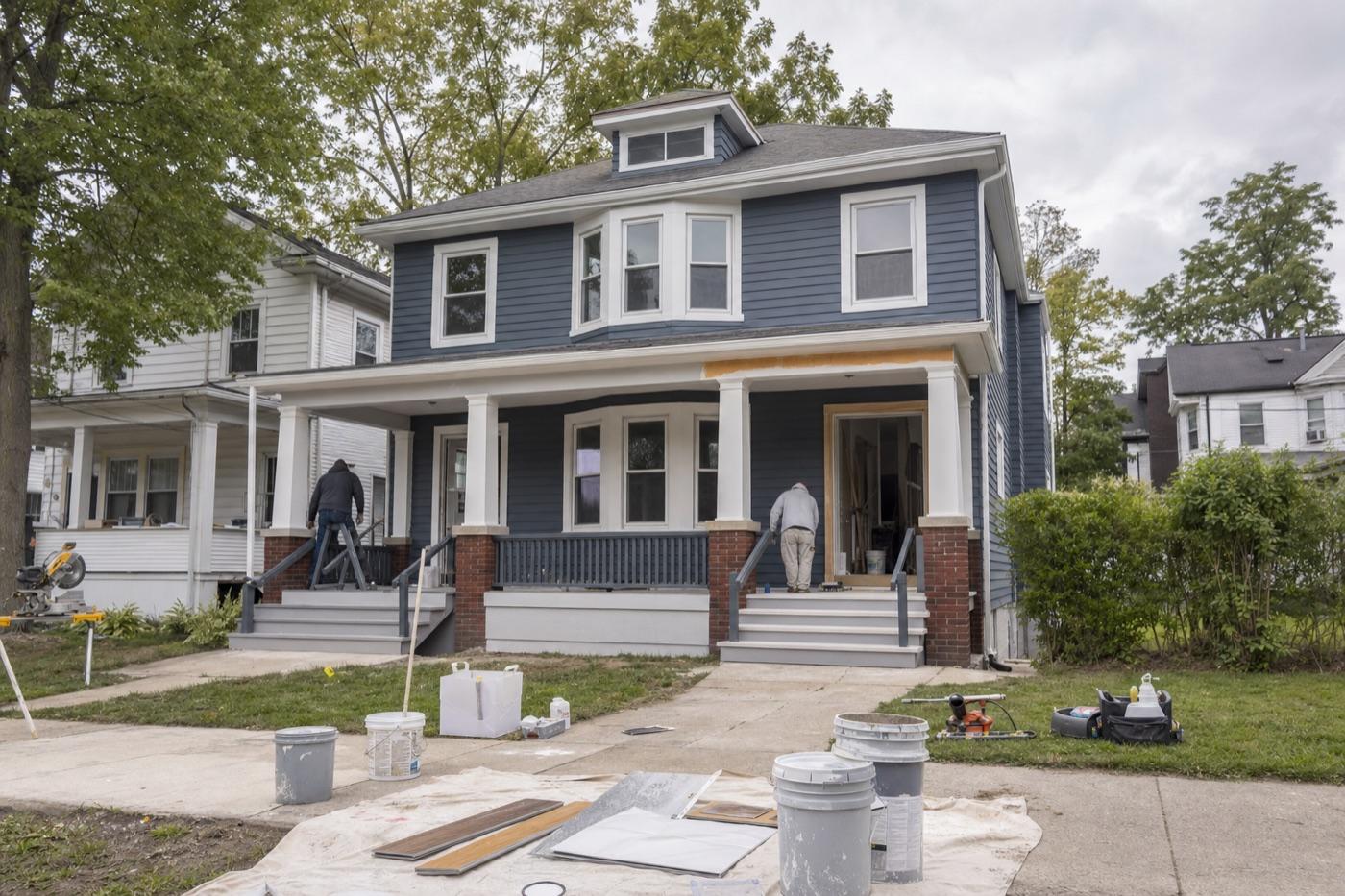
Most fix and flip lenders require significant down payments, often 20% to 30% of the purchase price. On a $100,000 acquisition, plan for $20,000 to $30,000 down plus closing costs of roughly 2% to 3% of the loan amount. These costs hit before you see any renovation loan proceeds.
Many lenders require you to fund initial rehab costs out of pocket before receiving the first construction draw. Plan to have at least 25% to 50% of your rehab budget available in liquid funds. This isn’t necessarily money you’ll lose. It’s typically reimbursed in the first draw. But you need the liquidity to get started.
Calculate your monthly carrying costs: loan payments, insurance, utilities, property taxes, and any HOA fees. Multiply by 12 to 18 months depending on your project timeline. Add a 20% buffer for unexpected delays or cost overruns. Having this liquidity separate from your down payment and rehab funds demonstrates financial strength to lenders.
Pre-Application Checklist For Ohio Fix And Flip Loans
Before requesting loan terms, gather these materials:
Property documentation includes your purchase contract or detailed property information. Take recent photos of all major areas needing renovation. Get a preliminary title report if available. Collect property tax records and assessment information.
Financial documentation means two years of tax returns and bank statements showing liquid assets. Pull your credit report from annualcreditreport.com. Prepare asset statements for retirement accounts or other investments.
Project planning materials should include an itemized rehab budget with contractor estimates. Create a timeline for completion. Gather comparable sales data supporting your ARV. Explain your exit strategy, whether retail sale or rental conversion.
Experience documentation can include previous flip projects with before/after photos and profit summaries. Note any construction or real estate industry experience. Include property management background if relevant.
How AMZA Capital Evaluates Ohio Fix And Flip Projects
When evaluating Ohio fix and flip opportunities, AMZA Capital focuses on deal fundamentals rather than just borrower qualifications. The property location, purchase price, rehab scope, and ARV projection all receive careful analysis.
Ohio represents one of AMZA’s active lending markets, with experience across major metropolitan areas and smaller markets throughout the state. This market knowledge helps in evaluating whether your comp data makes sense and if your rehab budget aligns with local contractor costs.
The underwriting process typically involves ordering an independent appraisal to verify your ARV assumptions. You don’t choose the appraiser. The lender does. This ensures objective valuation. If the appraisal comes in lower than expected, you may need to adjust your purchase offer or loan amount accordingly.
Rehab fund distribution usually occurs through staged draws tied to completion milestones. This protects both the lender and borrower by ensuring funds are used for intended renovations before releasing the next portion of the construction budget.
Working with lenders familiar with Ohio markets provides advantages beyond just approval odds. They understand local market conditions, seasonal patterns, and typical contractor costs. This knowledge helps in structuring realistic loan terms and draw schedules that match actual project timelines.
Ohio’s regulatory environment requires lenders to maintain proper licensing through the Ohio Division of Financial Institutions, ensuring borrower protections and professional oversight.
Timing Your Application Process
Start the loan application process before you need funding. From application to closing, allow 3 to 4 weeks minimum, though complex properties or unique circumstances may extend this timeline. Beginning the process early gives you negotiating power with sellers and prevents rushed decisions.
Ohio’s competitive real estate market often requires quick decisions on purchase offers. Having pre-approval or pre-qualification can make your offers more attractive to sellers, especially in multiple-offer situations common in Columbus, Cleveland, and Cincinnati markets.
Consider seasonal factors in your application timing. Spring applications may face higher volume and slightly longer processing times as the market heats up. Fall and winter applications might move faster but could affect your renovation timeline and exit strategy.
Making Your Ohio Fix And Flip Project Fundable
Success starts with realistic project selection. Choose properties in areas with demonstrated sales activity, reasonable renovation scopes that match your budget and timeline, and clear exit strategies based on actual market data rather than optimistic assumptions.
Document everything professionally. Lenders review hundreds of applications. The ones with clear, organized documentation typically receive faster approval and better terms. This includes clean financial statements, detailed rehab plans, and realistic timelines.
Build relationships with reliable Ohio contractors before you need them. Having established relationships demonstrates project management capability to lenders and helps ensure accurate rehab budgets and timelines.
Understanding the difference between cosmetic and structural renovations matters for loan approval. Cosmetic work includes painting, flooring, fixtures, and appliances. Structural work involves foundation issues, major electrical or plumbing overhauls, or roof replacement. Most fix and flip lenders prefer cosmetic to moderate renovation projects over major structural rebuilds.
Local permit requirements vary across Ohio municipalities. Some cities require permits for kitchen and bathroom renovations, while others only require them for electrical or plumbing work. Factor permit costs and timelines into your project budget and schedule. Unpermitted work can create issues at sale time.
Market absorption rates affect your exit timeline. Even in strong Ohio markets, luxury renovations may take longer to sell than mid-range updates. Research what buyers in your target area actually purchase rather than assuming expensive finishes will command premium prices.
Ohio’s property tax assessment systems vary by county. Some reassess annually while others operate on multi-year cycles. A significant renovation may trigger a tax reassessment, affecting your carrying costs. Check with the county auditor’s office to understand the local assessment schedule and potential impact on your project budget.
Insurance considerations for vacant renovation properties include higher premiums and specific coverage requirements. Some insurers require regular property inspections during renovation. Factor these costs into your carrying cost calculations.
Related Guides
More guides from AMZA Capital:
- DSCR Loans In Ohio: How Rental Investors Should Think About Cash Flow
- DSCR Refinance In Ohio: What Rental Investors Should Prepare Before Requesting Terms
- Fix And Flip Financing: How Investors Should Prepare A Fundable Rehab Deal
- Hard Money Loan Rates
- Hard Money Loan Documents
- Hard Money Loans in Georgia
- All investor loan guides by state and program
START WITH AMZA CAPITAL’S FREE QUOTE PAGE to begin the conversation about your Ohio fix and flip project. The initial assessment helps determine if your project meets basic underwriting guidelines before you spend time on full documentation.
Understanding these preparation requirements helps you approach Ohio fix and flip financing strategically rather than hopefully. The investors who get approved and close on time are typically those who treat the loan application as seriously as they treat property selection and project planning.
This article is for informational purposes only and does not constitute financial or investment advice. AMZA Capital is a licensed mortgage lender (CA DFPI 60DBO 86104 | NMLS 2262631). Consult a licensed professional before making financial decisions.
*Article by AMZA Capital*