

By AMZA Capital
A fix-and-flip loan can move quickly, but speed does not replace underwriting. The lender still has to believe the property, borrower, budget, and exit all fit together.
That is where many investors lose time. They focus on the purchase price and after-repair value, then send a loan request before the rehab scope is clear. The lender comes back with questions. The quote changes. The closing date gets tighter.
Hard money fix and flip loans work best when the investor can explain the deal in plain terms: what is being bought, what will be repaired, what the property should be worth after repairs, and how the loan will be paid off. The property matters. The plan matters just as much.
For borrowers comparing lenders, the most useful question is not “Who has the lowest rate?” It is “Which lender understands this kind of project and can underwrite it without surprises?”
When a hard money fix and flip loan fits
A hard money fix and flip loan is usually a short-term loan for an investment property that needs repairs before resale or refinance. The lender focuses heavily on the collateral, renovation plan, borrower profile, and exit strategy.
This type of financing can fit when the property will not qualify for conventional financing in its current condition, the seller needs a fast close, the investor is buying at a discount, or the rehab plan creates enough value to justify the cost of capital.
It is not automatically the right loan for every rehab. If the work is light, the timeline is flexible, and the borrower can qualify through a cheaper channel, hard money may be more expensive than necessary. If the project is too heavy, the lender may treat it as construction rather than a standard fix-and-flip loan.
The distinction matters. A dated kitchen, flooring, paint, and fixtures are different from a gutted property with structural work, major utility changes, or no functioning systems. The more the project looks like construction, the more the lender will scrutinize budget, draws, experience, and permits.
What lenders check first
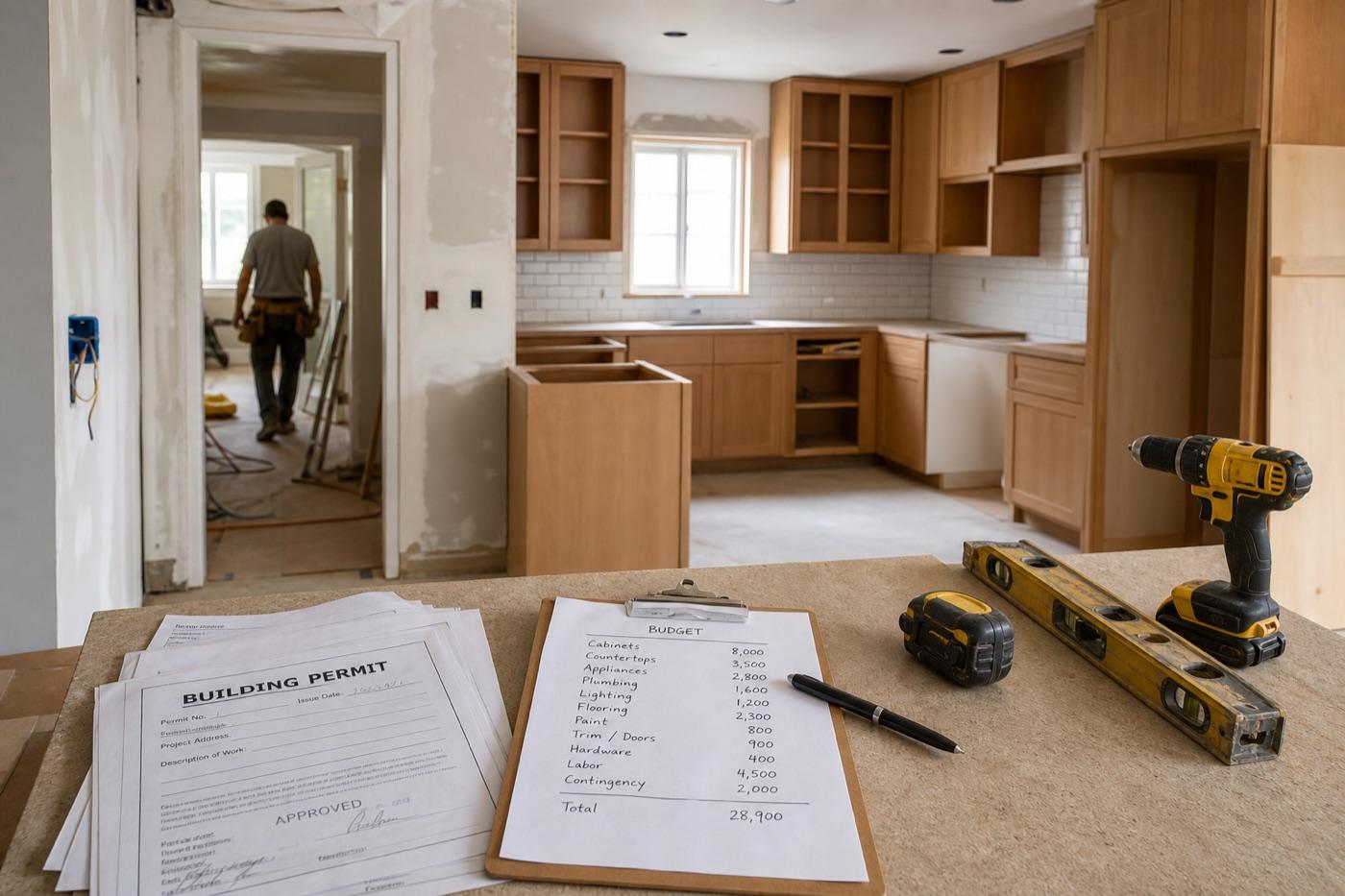
The first check is collateral. Lenders look at the purchase price, current condition, neighborhood, comparable sales, estimated after-repair value, and whether the proposed value makes sense. A strong after-repair value does not help if the comps are weak or the rehab scope does not support the final price.
The second check is the rehab budget. Lenders want to see whether the work is specific, realistic, and matched to the property. A budget that says “interior updates” is not enough. A better budget separates kitchen, bathrooms, flooring, paint, roof, HVAC, electrical, plumbing, windows, landscaping, contingency, and permits where relevant.
The third check is borrower strength. Private and hard money lenders are more flexible than banks, but they still review credit, liquidity, experience, entity structure, and project history. A borrower with completed flips may get a different response than a first-time investor taking on a heavy rehab.
The fourth check is the exit. Most fix-and-flip loans are repaid through sale or refinance. The lender wants to know which exit is realistic, how long it should take, and what happens if the market takes longer than expected.
AMZA Capital screens these items before trying to match a borrower with a lender. That saves time. It also helps avoid presenting a deal to the wrong lender.
Why deals get declined or repriced
Fix-and-flip requests often get declined for reasons the borrower could have spotted earlier.
One common issue is an after-repair value that is too optimistic. Investors sometimes use the highest sale in the area instead of the most comparable one. Lenders are usually more conservative. They look at size, condition, location, property type, and recent closed sales.
Another issue is a rehab budget that is too thin. If the property needs major work and the budget does not match the scope, the lender may reduce leverage, hold back more funds, or decline the file. A low budget does not make the deal stronger if the property clearly needs more work.
Liquidity is another deal-breaker. Even when the lender funds part of the purchase and rehab, the borrower still needs cash for down payment, closing costs, reserves, overages, and carry costs. A project can be profitable on paper and still fail if the borrower runs out of cash before completion.
Experience also matters. Some lenders will fund first-time flippers, but the project needs to match the borrower. A first flip with a cosmetic rehab is one thing. A first flip with structural work, major permits, and a tight resale timeline is another.
For broader market and home sales context, investors can review research from the National Association of Realtors. The loan decision still comes down to the specific property and borrower.
What to compare besides rate

Rate matters, but it is not the whole cost of a fix-and-flip loan. Investors should compare points, processing fees, draw fees, extension fees, minimum interest, prepayment rules, rehab holdback structure, and how quickly the lender releases funds.
The draw process deserves special attention. A lender that offers attractive terms but releases rehab money slowly can hurt the project. Contractors need to be paid. Materials need to be ordered. Delays can turn into extra carrying costs.
Investors should also compare how each lender treats changes in scope. Rehab projects move. A wall opens up and the plumbing is worse than expected. A roof quote comes back higher. A buyer inspection finds something new. The lender’s flexibility around budget changes can matter as much as the starting quote.
No article can quote a universal cost for hard money fix-and-flip loans. Actual terms vary by lender, borrower qualifications, property type, leverage, location, and underwriting review. Direct lender comparison is the only reliable way to understand what a specific project will cost.
How AMZA Capital approaches fix-and-flip requests
AMZA Capital looks for the fit between the deal and the financing structure. A strong request includes the property address, purchase price, estimated after-repair value, rehab budget, photos, borrower credit profile, available cash, project experience, and planned exit.
For 1-4 unit residential investment properties, location and state rules matter. AMZA does not treat every state or product the same. Availability can vary by property type, loan purpose, and program. Borrowers should expect the file to be screened before terms are discussed.
The most useful fix-and-flip conversations are specific. If a borrower says, “I am buying this property for this price, spending this much on this scope, and selling or refinancing based on these comps,” a lender can respond faster. If the request is vague, underwriting slows down.
AMZA Capital works with investors seeking fix-and-flip, buy-to-rent, DSCR, construction, and commercial real estate financing. You can review AMZA’s commercial financing options or start with the free quote page if you already have a property in mind.
What to prepare before requesting terms
Before asking for hard money fix and flip loan terms, gather the file the lender will ask for anyway: purchase contract or target price, property photos, scope of work, rehab budget, comparable sales, expected resale price, borrower credit profile, liquidity, entity information, and exit plan.
Then identify the weakest part of the deal. If the ARV is aggressive, support it. If the rehab is heavy, document it. If the borrower is new, keep the project realistic. If the timeline is tight, explain why the lender can still close safely.
A lender does not need a perfect project. It needs a clear one.
For a free, no-obligation quote, fill in and submit one of our quote forms below — only takes a minute.
START WITH AMZA CAPITAL’S FREE QUOTE PAGE.
This content is provided for informational purposes only and does not constitute financial, legal, or investment advice. AMZA Capital is a licensed mortgage lender (CA DFPI 60DBO 86104 | NMLS 2262631). Actual loan terms, rates, and availability vary. Consult a licensed financial professional before making investment decisions.