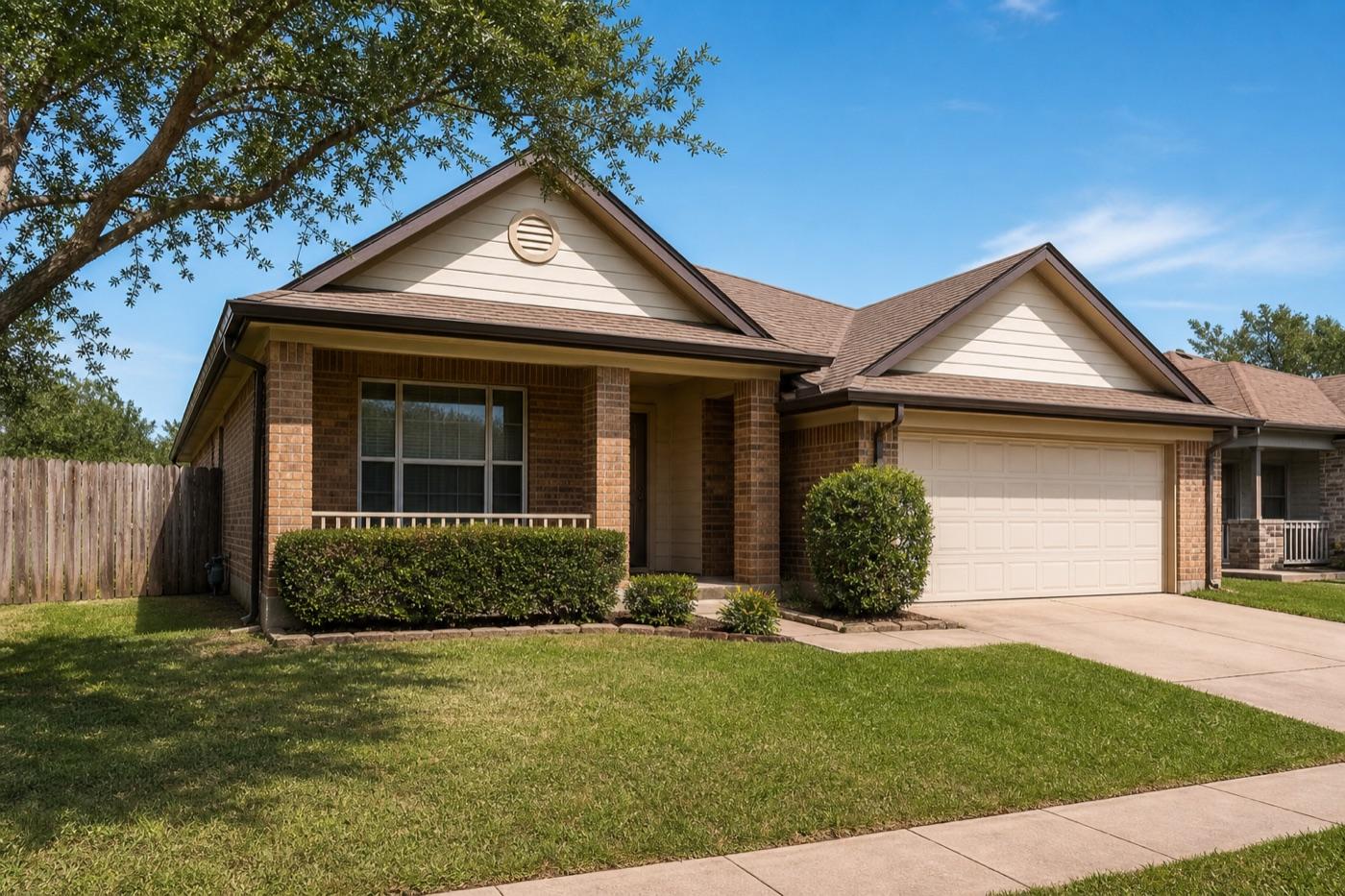
You found a property in Plano. The seller has three offers, all around asking price. Two are traditional buyers with 30-day closings. Yours is cash, but you need financing. The listing agent wants proof of funds and a 15-day close.
This scenario plays out daily across Texas metros. The difference between winning and losing often comes down to which hard money lender can actually deliver on their timeline promises. But before any legitimate lender quotes terms, they need specific information about your deal and financial position.
Here's what Texas investors need to know about hard money lending, from what lenders actually check to the state-specific factors that change your financing math.
What Hard Money Lenders In Texas Check Before Quoting Terms
Most investors call lenders asking "What's your rate?" The problem: no legitimate hard money lender can quote meaningful terms without deal specifics. Rates and loan-to-value ratios depend on multiple factors, and Texas properties have their own considerations.
Here's the actual checklist lenders work through:
Property address and market: Is it Dallas-Fort Worth, Houston, Austin, San Antonio, or a smaller market? Population density affects exit strategy options. For commercial deals, lenders typically require either 35,000+ local population or 4,000+ within 25 miles of a 100,000+ city. Rural residential properties work for fix-and-flip projects, but location affects ARV potential.
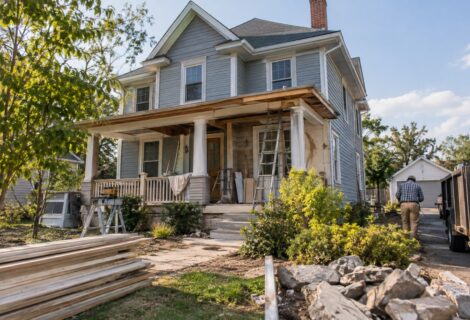
Purchase price and property condition: Is this a cosmetic flip or a gut job? Properties requiring structural work, complete electrical/plumbing replacement, or foundation repair trigger construction lending underwriting, not simple fix-and-flip. Shell condition properties need construction loans with draws tied to completion milestones.
After-repair value depends on recent comparable sales. Lenders want recent sales data, not estimates from memory or online tools. Texas metros move fast, so comps older than six months carry less weight. ARV drives maximum loan amount calculations.
A detailed scope of work and budget from a licensed contractor matters: A line item estimate from a licensed contractor carries more weight than ballpark numbers. Include permit costs where required. Texas doesn't have statewide permit requirements, but major metros like Dallas and Houston have specific rules.
Your liquidity and experience matter as much as the property: How many projects have you completed? Can you cover carrying costs, unexpected overruns, and the down payment? Experienced borrowers with 10+ completed projects may qualify for 100% loan-to-cost financing, while newer investors typically need 15-25% down.
Exit strategy and timeline matter: Are you selling retail, to another investor, or keeping as a rental? Timeline affects loan structure. Fix-and-flip loans expect sale within 12 months. Rental conversions need different financing.
Texas-Specific Factors That Change The Math
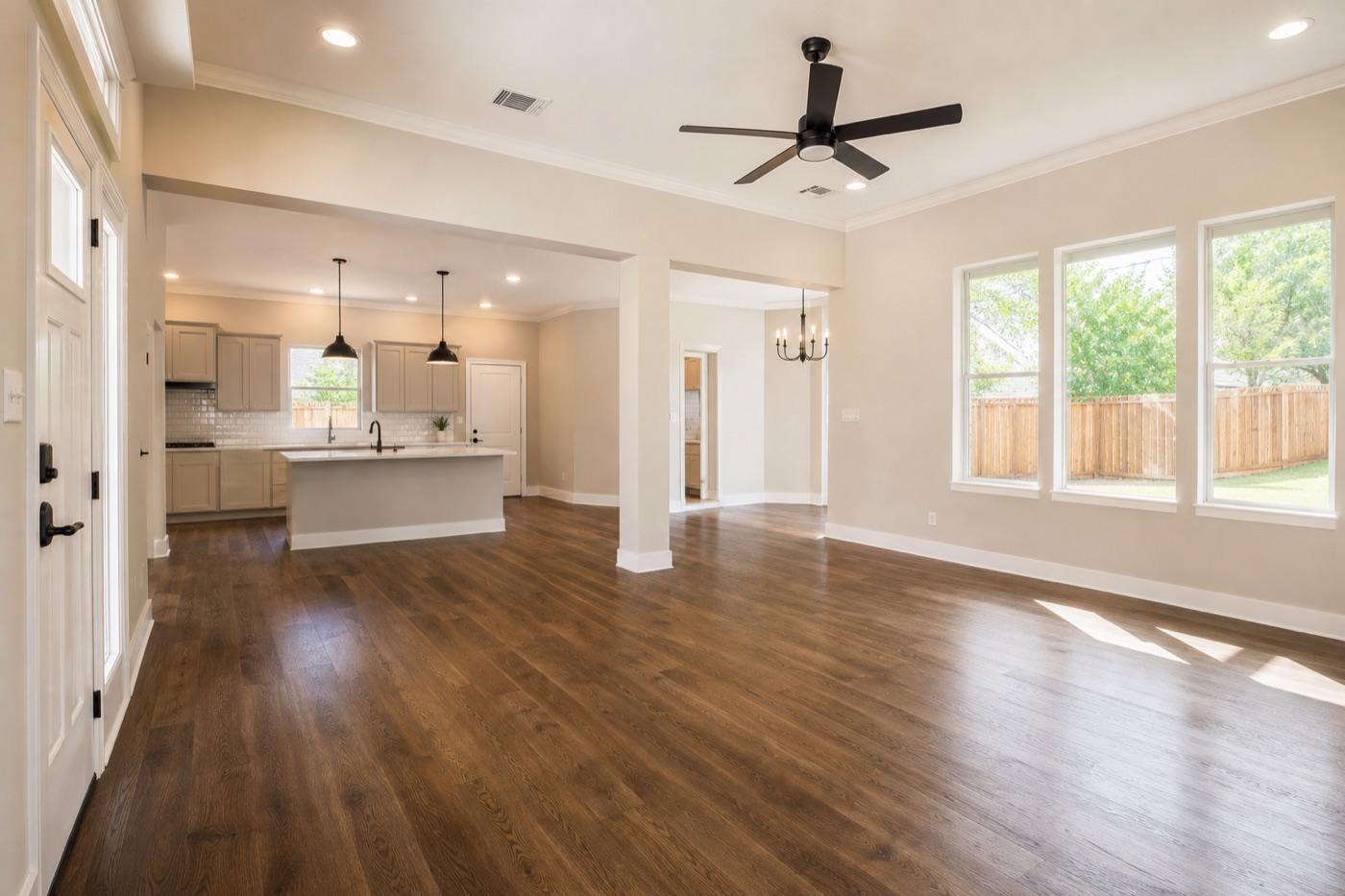
Texas has unique characteristics that affect hard money lending decisions and carrying costs.
Property taxes in Texas hit harder than in most states. Texas has some of the highest property tax rates in the nation, often 2-3% of assessed value annually. On a $300,000 property, that's $6,000-$9,000 per year in taxes alone. During a six-month rehab, property taxes could add $3,000-$4,500 to your carrying costs. Many investors underestimate this expense.
No state income tax changes borrower profiles in ways lenders notice. Texas investors often have higher take-home income compared to similar earners in high-tax states. This can strengthen debt-to-income ratios for DSCR rental property loans, but lenders still verify actual tax returns and bank statements.
Market speed creates real urgency. Dallas-Fort Worth, Houston, Austin, and San Antonio metros move quickly. Multiple-offer situations are common, especially on investment-grade properties. Lenders who can close in 10-15 business days have a competitive advantage. But speed means having all documentation ready upfront, not scrambling after contract execution.
Metro area competition varies significantly. Austin and parts of Dallas have intense investor competition. Houston offers more opportunities at lower price points. San Antonio provides steady rental demand. Each market affects ARV assumptions and exit strategy viability.
Common Mistakes That Kill Texas Deals Before They Start
Certain mistakes repeatedly derail Texas hard money loan applications. Avoiding these improves approval odds and speeds the process.
Calling for rate quotes without deal specifics is the most common mistake. "What's your rate for fix-and-flips in Texas?" isn't a useful question. Rates vary by credit score, experience, loan-to-value ratio, property condition, and market. A 720 FICO borrower buying a cosmetic flip at 70% LTC gets different terms than a 660 FICO borrower doing a gut renovation at 85% LTC.
Using outdated or irrelevant comparables undermines ARV support. Online estimates and six-month-old sales don't support ARV assumptions in fast-moving Texas markets. Recent closed sales within a half-mile radius and similar square footage provide the strongest ARV support.
Forgetting property tax implications can blow up your numbers. A $400,000 ARV property might carry $10,000+ annually in taxes. Over a nine-month project timeline, that's $7,500 in carrying costs beyond loan payments, insurance, and utilities. Factor this into profit calculations from the start.
Assuming 100% financing covers everything is a budgeting error. Even 100% loan-to-cost financing doesn't cover closing costs, lender fees, insurance, permits, or cost overruns. Budget for 5-10% additional capital beyond the loan amount.
Presenting gut jobs as simple flips wastes time for everyone. Properties requiring complete electrical, plumbing, or structural work need construction lending with draw schedules. These take longer to underwrite and fund. Don't present them as quick cosmetic flips.
Underwriting Reality Check

Texas hard money lenders typically require minimum FICO scores around 660 for fix-and-flip loans. Purchase prices should be at least $75,000, with ARVs usually falling between $150,000 and $1.5 million for residential properties.
Loan-to-value and loan-to-cost ratios depend on multiple factors: your credit score, experience level, property condition, ARV support quality, and scope of work complexity. First-time flippers can still qualify, but expect lower leverage and more documentation requirements.
No prior experience isn't automatically disqualifying for 1-4 unit fix-and-flip projects, but you'll need stronger financials and more conservative loan terms.
How To Present A Fundable Texas Deal
Strong applications get faster decisions and better terms. Here's what lenders want to see upfront:
Start with a complete property package: Include the purchase contract, property photos (interior and exterior), contractor estimates with line-item breakdowns, and three comparable sales from the last 90 days. If the property needs permits, research requirements and include estimated costs and timelines.
Financial documentation should be thorough: Provide bank statements showing liquidity for down payment, closing costs, and carrying costs. Include tax returns, credit reports, and a list of previous real estate investments with outcomes.
Build a realistic timeline and budget: Account for permit delays, weather impacts, contractor scheduling, and material delivery issues. Add 20% contingency to your budget and timeline. Texas weather can delay exterior work, and supply chain issues affect material costs.
Have a clear exit strategy: Are you selling retail, wholesale, or converting to a rental? Each path has different financing implications and risk factors. Lenders want to see you've thought through the complete project lifecycle.
Market-Specific Considerations
Different Texas metros have distinct characteristics that affect deal evaluation:
Dallas-Fort Worth has high investor activity and competition. Strong job growth supports retail sales. Suburban markets like Plano, Frisco, and Arlington offer steady appreciation but require higher acquisition costs.
Houston's energy sector employment creates opportunities but also volatility. Diverse economy provides multiple exit strategies. Hurricane risk affects insurance costs and property selection.
Austin's tech industry growth drives demand but creates intense competition. Regulatory environment around short-term rentals changes frequently. High land costs affect new construction economics.
San Antonio's military presence provides rental demand stability. Lower entry costs compared to other major Texas metros. Growing medical and tech sectors support long-term appreciation.
Understanding Texas Hard Money Loan Terms
Rate ranges vary significantly based on deal structure and risk factors. Fix-and-flip loans typically range from 10-12%, DSCR rental property loans from 6.50-8.00%, construction loans from 9.50-14.50%, and small balance commercial from 9-12%. Points generally range from 1-5 for fix-and-flip and bridge loans, 1-4 for others.
These rates reflect current market conditions and vary by borrower profile, property type, loan amount, and geographic location within Texas. To see how those factors play out on a specific deal, try this free Texas hard money loan calculator.
Loan terms typically run 12 months for fix-and-flip projects, 30 years for DSCR rental loans, and 24-36 months for bridge financing. Construction loans use draw schedules tied to completion milestones rather than lump-sum funding.
Regulatory Environment
Texas hard money lenders operate under state oversight through the Texas Department of Savings and Mortgage Lending. Licensed lenders must follow specific disclosure requirements and lending practices. Always verify your lender's licensing status before proceeding with any transaction.
Texas doesn't restrict prepayment penalties on investment property loans, so review loan documents carefully. Some lenders charge prepayment penalties for early payoffs, while others allow free prepayment after certain timeframes.
Working With Texas Hard Money Lenders
Successful Texas real estate investors develop relationships with reliable hard money lenders before they need financing. This relationship building pays dividends when you're competing against multiple offers on time-sensitive deals.
Look for lenders who understand Texas markets, can close within your required timeline, and provide transparent terms without hidden fees. Communication matters — lenders who return calls promptly and provide regular status updates usually deliver on closing promises.
Consider working with lenders who offer multiple product types. Your fix-and-flip might become a rental property if market conditions change. Having access to DSCR loans, construction financing, and commercial products provides flexibility as your portfolio grows.
Texas real estate moves fast, but rushing into inadequate financing creates bigger problems than missing one deal. Take time to understand your lender's underwriting requirements, typical timelines, and fee structures before submitting applications.
This content is provided for informational purposes only and does not constitute financial, legal, or investment advice. AMZA Capital is a licensed mortgage lender (CA DFPI 60DBO 86104 | NMLS 2262631). Actual loan terms, rates, and availability vary. Consult a licensed financial professional before making investment decisions.
Related Guides
More guides from AMZA Capital:
- Hard Money To DSCR Refinance In Texas: How Rental Investors Should Plan The Exit
- DSCR Loans In Texas: What Rental Investors Should Prepare Before Requesting Terms
- 100 Percent Fix And Flip Financing: When Experienced Investors May Qualify
- Fix And Flip Financing: How Investors Should Prepare A Fundable Rehab Deal
- Hard Money Loan Rates
- Hard Money Loans in Georgia
- All investor loan guides by state and program
START WITH AMZA CAPITAL’S FREE QUOTE PAGE.