
Hard Money Loans in Maryland
Understanding A Hard Money Loan In Maryland
A hard money loan in Maryland can make sense when a real estate investor needs underwriting built around collateral, equity, exit strategy, and transaction structure instead of a conventional lending profile. In many files, the issue is not just credit score or income documentation. It may be the property type, intended use, asset condition, sale or refinance timing, or the need for bridge financing before a longer-term plan is ready.
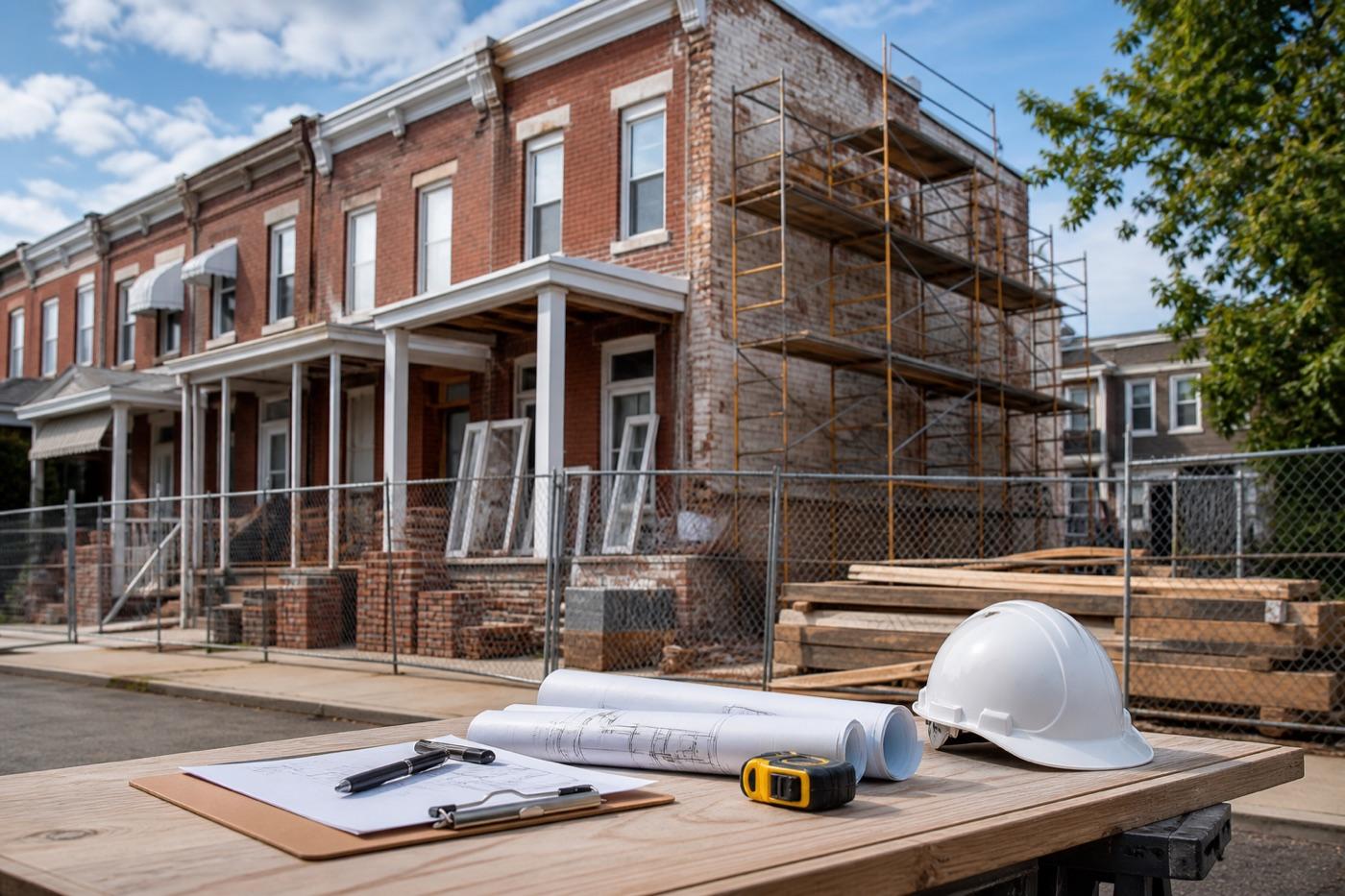
AMZA Capital works with real estate investors and property owners who need a practical way to address complex scenarios. Through its specialty bridge program, AMZA Capital reviews Maryland opportunities on a case-by-case basis, including bad credit scenarios and hard-to-place property types such as event centres, churches, gentlemen’s clubs, marijuana facilities, and similar assets. Program terms are not automatic. Each file depends on the property, borrower, collateral, and exit plan.
Why Maryland Investors Use Hard Money Financing
Maryland has several real estate markets inside one state. Baltimore rowhouses, suburban multifamily properties, mixed-use assets near transit corridors, rural commercial properties, hospitality assets, and special-purpose buildings are not underwritten the same way. A financing structure that fits a stabilized rental property in one county may not fit a transitional commercial asset somewhere else.
Hard money financing is often considered when the loan needs to be based substantially on the real estate collateral and the business plan around that collateral. Investors may use it to acquire a property, refinance an existing obligation, complete a repositioning plan, bridge to a sale, or hold a property while a longer-term capital source is being arranged.
The useful question is not only, “Can I get a loan?” It is, “Does the property support the requested debt, and is the exit strategy specific enough to underwrite?” A serious lender will look past the headline property value and focus on how the loan gets repaid.
For Maryland investors, that means preparing a file that explains the asset, its current status, the requested loan amount, the payoff or purchase requirement, the source of repayment, and any operational or legal constraints affecting the property.
What Makes A Specialty Bridge Loan Different

A specialty bridge loan is built for situations that do not fit neatly into standard lending boxes. That may involve borrower credit issues, unusual collateral, a complicated payoff, a time-sensitive purchase, or a property type many conventional lenders do not want to evaluate.
AMZA Capital’s specialty bridge program is reviewed case by case for bad credit and hard-to-place property types, including event centres, churches, gentlemen’s clubs, marijuana facilities, and similar properties. For Maryland borrowers, that review matters because many of these assets require more than a basic rent roll and purchase contract.
A church building, for example, may have specialized improvements that affect resale value and alternate-use assumptions. An event centre may depend on local permits, occupancy rules, parking, noise restrictions, and bookings. A marijuana-related facility may raise use, zoning, tenancy, licensing, and compliance questions. A gentlemen’s club or other adult-use property may be difficult for many lenders because of reputational, regulatory, or title-related concerns.
The practical underwriting work is to identify the risk clearly. A stronger loan request explains what the property is, how it is currently used, what income or market value supports the loan, and what is expected to happen during the bridge period.
The Approved Specialty Bridge Terms To Understand
For the specialty bridge program, the approved loan-to-value range is 50-60%. The rate range is 12-16%, and the term range is 12-36 months, based on owner-provided program facts as of July 24, 2026. These figures describe the approved program parameters, not a promise of terms for any specific borrower or property.
The LTV range is important. At 50-60% LTV, the supported value and requested debt amount need to work together. A borrower seeking to refinance a property with limited equity may need to bring the request into alignment with the supported value, reduce the payoff need, add collateral if applicable, or revisit the business plan.
The term range also matters. A 12-36 month bridge loan is not permanent capital. The exit should be central to the file from the start. If the exit is a refinance, the borrower should identify what needs to change before that refinance can occur. If the exit is a sale, the borrower should be realistic about pricing, marketing time, title issues, tenant status, and repairs. If the exit depends on stabilization, the budget and timeline should be documented.
How Collateral Drives The Conversation

Hard money underwriting usually starts with the collateral. In Maryland, that collateral analysis may include current value, as-is condition, location, property type, use, title status, environmental concerns, occupancy, leases, taxes, code issues, and marketability.
For a residential investment property, the review may focus on comparable sales, rehab scope, rental demand, and resale assumptions. For a commercial property, the review may be more involved. Net operating income, leases, tenant quality, zoning, access, parking, and alternate-use value can all affect the discussion.
Special-purpose assets require additional care. A building designed for a narrow use may not be worth the same amount to every buyer. The lender has to consider what the property could sell for if the original plan does not work. That does not mean the property has no financing value. It means the valuation and exit analysis need to be grounded in real market behavior.
Borrowers should be ready to provide property photos, a purchase contract or payoff statement, leases if applicable, operating statements if available, a proposed budget, title information, insurance details, entity documents, and any information that explains the use of the property.
How To Think About The Exit Before You Apply
The exit strategy is often the difference between a vague request and a business plan a lender can evaluate. A hard money lender wants to understand how the bridge loan will be repaid within the term. The answer should be specific enough to test.
A refinance exit should identify the expected takeout source and the conditions needed to reach it. That may involve improving occupancy, completing repairs, resolving title or permit issues, increasing documented income, or seasoning ownership. A sale exit should include an estimated sale price, supporting market evidence, expected marketing approach, and any work needed before listing. A cash payoff or business recapitalization exit should show where funds are expected to come from and what steps remain.
Borrowers should avoid relying on optimistic language alone. “We will refinance later” is not the same as showing why a refinance may be available later, what loan type might fit, and what milestones have to be completed first. “We will sell” is not the same as showing realistic pricing and market demand.
If the property is owner-occupied or tied to a business, the exit analysis may also need to account for operational cash flow, relocation plans, permits, business continuity, and the time required to complete any sale or refinance.
Maryland Property Issues That Can Affect Underwriting
Maryland real estate can involve local issues that deserve attention early in the process. In Baltimore and surrounding counties, older housing stock may require careful review of condition, permits, lead paint considerations, and code compliance. In suburban markets, value may depend heavily on school districts, commuter access, and comparable sales within a narrow radius. In rural areas, appraisal support, well and septic conditions, access, and market liquidity may carry more weight.
Commercial properties can add another layer of review. Zoning must match the current or intended use. Tenancies should be documented. Environmental concerns should be disclosed early, especially for industrial, automotive, fuel-related, or cannabis-related uses. Special-use properties may need evidence that local approvals, licenses, or operating permits are in place or realistically obtainable.
A borrower does not need every issue solved before starting a conversation, but the file is stronger when known issues are disclosed upfront. Surprises discovered late in underwriting can change proceeds, timing, or feasibility.
What To Prepare For A Stronger Loan Request
A well-prepared hard money loan package saves time and makes the underwriting conversation more concrete. For a Maryland specialty bridge request, start with the basics: property address, ownership structure, requested loan amount, estimated value, current debt, intended use of funds, and desired term within the available program range.
Then add the documents that support the request. For an acquisition, include the purchase agreement and any due diligence already completed. For a refinance, include the payoff statement, mortgage statement, tax information, and a clear explanation of why the refinance is needed. For a rehab or repositioning plan, include a budget, contractor estimates if available, photos, permits if applicable, and the intended timeline.
For income-producing property, include leases, rent rolls, operating statements, and any evidence of deposits or payment history. For special-purpose property, include zoning information, permits, licenses, business use details, and market data that supports the property’s value and exit.
Credit issues should be addressed directly. Since AMZA Capital’s specialty bridge program may review bad credit scenarios case by case, the borrower should explain the situation, identify any current liens or judgments, and show how the proposed transaction is expected to resolve or work around those issues.
When A Hard Money Loan May Not Be The Right Fit
Hard money is not the right tool for every Maryland borrower. If the property has little equity, no credible exit strategy, unresolved legal problems, unclear ownership, or value assumptions that cannot be supported, the structure may not make sense. If the borrower needs long-term low-cost debt immediately, a bridge loan may be mismatched to the goal.
Borrowers facing mortgage distress should also understand their options beyond private lending. The Consumer Financial Protection Bureau provides consumer-focused information on payment difficulty in If I can’t pay my mortgage loan, what are my options?. Business owners evaluating owner-occupied commercial real estate or major fixed-asset financing may also want to understand public program alternatives such as 504 loans – Small Business Administration – SBA.
Those resources are informational and separate from AMZA Capital’s specialty bridge program. The right capital structure depends on the property, timing, documentation, borrower objectives, and available exit.
How AMZA Capital Approaches A Maryland Request
AMZA Capital reviews specialty bridge opportunities by looking at the complete situation, not just one data point. The property, equity position, requested proceeds, condition, intended use, marketability, credit issues, and exit strategy all matter. For hard-to-place property types, the review may also include the operating use, local approvals, income documentation, title issues, and realistic resale or refinance options.
This is especially relevant for borrowers searching for a hard money loan maryland solution because the phrase can cover very different needs. One investor may be buying a discounted residential property that needs repairs. Another may be refinancing a church, event centre, cannabis-related facility, or adult-use commercial property. Another may be solving a payoff problem tied to bad credit or a maturing obligation. Those are different underwriting conversations.
The best first step is to present the facts plainly. Tell AMZA Capital what the property is, what you need the loan to accomplish, how much debt is requested, what the value basis is, and how the loan is expected to be repaid. A clear file does not create any entitlement to funding, but it gives the lender the information needed to evaluate the request.
Start With The Numbers That Matter
Before submitting a request, run a basic bridge loan check on your own. Estimate the current as-is value, then compare the requested loan amount against the 50-60% LTV range. Confirm whether the requested loan amount covers the purchase, payoff, repairs, closing costs, or other capital needs. If there is a gap, identify how that gap would be addressed.
Next, pressure-test the exit. If the loan term is 12-36 months, what has to happen before maturity? What could delay it? What documentation supports the plan? If the answer depends on a refinance, what underwriting issue is being solved during the bridge period? If it depends on a sale, what buyer pool exists for that property type?
Finally, organize the support. A concise package with the address, photos, valuation support, payoff or purchase details, entity information, operating documents, and exit narrative is more useful than a long explanation without evidence.
This content is for informational purposes only and is not legal, financial, tax, investment, or lending advice. Loan terms, conditions, and availability are subject to case-by-case review and may vary based on the borrower, property, collateral, documentation, and transaction details. No approval or specific outcome is promised or implied.
For AMZA Capital’s specialty bridge program, rates range from 12% to 16% as of July 24, 2026, and are subject to change. Rates vary based on FICO, borrower experience, property cash flow, and location.
Related Guides
More guides from AMZA Capital:
- DSCR Loans in Maryland
- Bridge Loans in Maryland
- Hard Money Loan Documents
- 100 Percent Fix And Flip Financing: When Experienced Investors May Qualify
- Fix And Flip Financing: How Investors Should Prepare A Fundable Rehab Deal
- Hard Money Loans in Virginia
- All investor loan guides by state and program
START WITH AMZA CAPITAL’S FREE QUOTE PAGE.
This article is for informational purposes only and does not constitute financial or investment advice. AMZA Capital is a licensed mortgage lender (CA DFPI 60DBO 86104 | NMLS 2262631). Consult a licensed professional before making financial decisions.