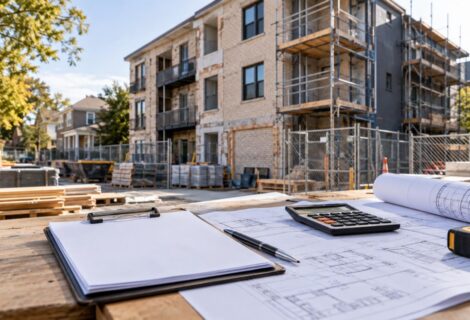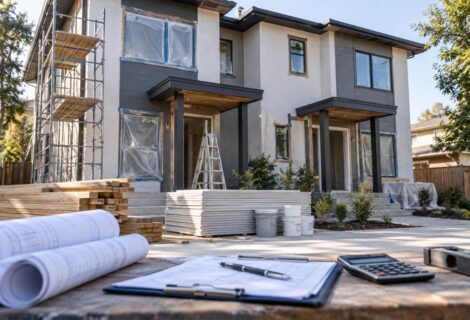
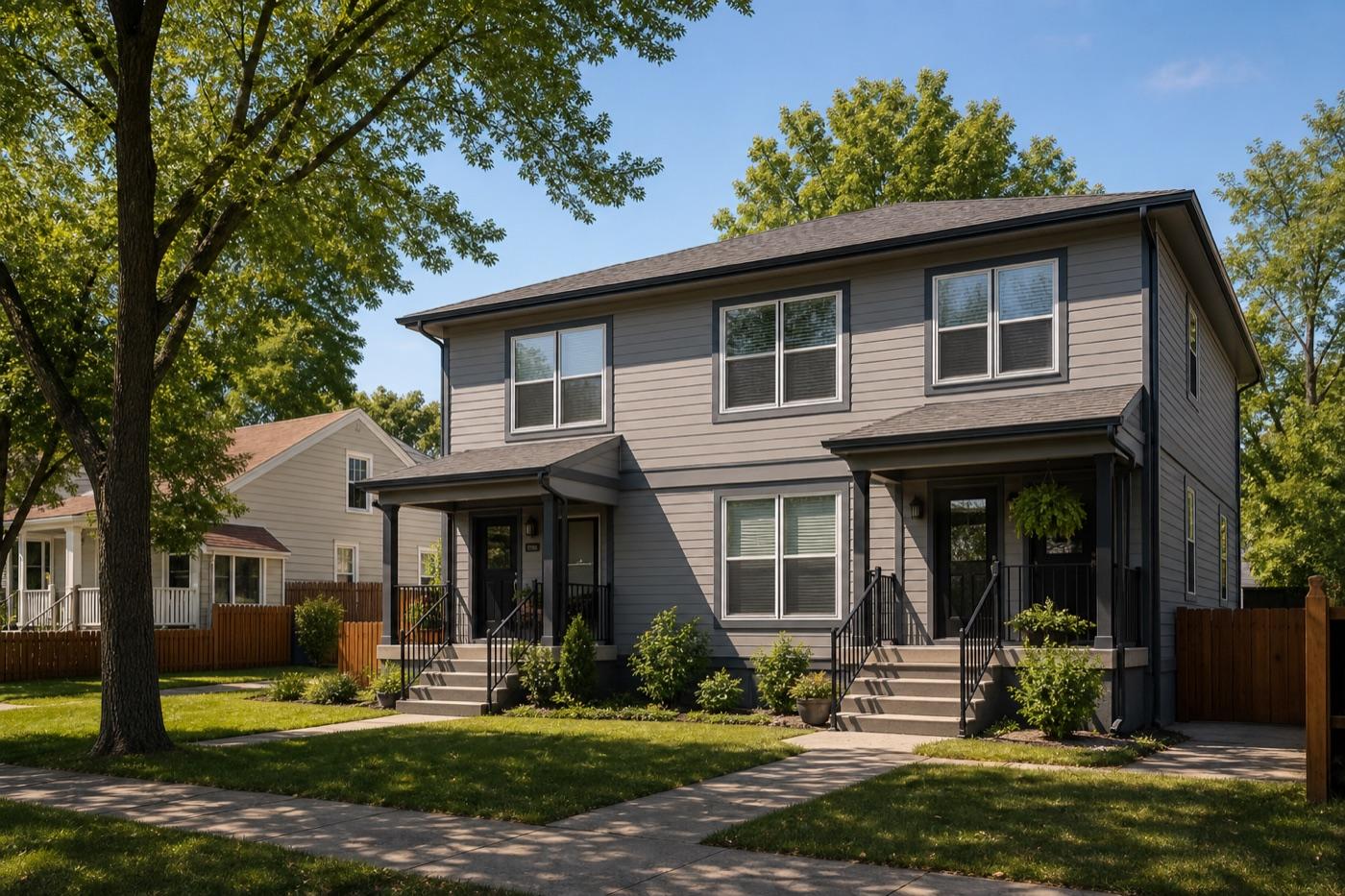
A rental investor from Phoenix calls about a duplex she found for $420,000. The property needs $15,000 in repairs, and she expects monthly rent of $3,200 total from both units. Her loan officer asks about debt service coverage ratio requirements, and she realizes she has never calculated whether the rental income actually covers the mortgage payment with room to spare.
This scenario plays out frequently in investment real estate financing. Rental property investors often focus on purchase price and down payment without confirming that the property’s income stream meets debt service coverage ratio (DSCR) loan requirements. Understanding these requirements before requesting loan terms prevents wasted time and helps investors identify properties that actually qualify for financing.
DSCR loans use the property’s rental income rather than the borrower’s personal income to qualify for financing. This approach works well for investors who own multiple properties or have complex tax returns, but the property itself must generate sufficient cash flow to support the loan payments.
What DSCR Loan Requirements Really Measure
Debt service coverage ratio measures whether a rental property generates enough monthly income to cover its mortgage payment. Lenders calculate DSCR by dividing the property’s monthly rental income by the monthly mortgage payment, including principal, interest, taxes, and insurance.
A property renting for $2,500 monthly with a $2,000 monthly mortgage payment has a 1.25 DSCR ($2,500 ÷ $2,000 = 1.25). This means the rental income is 25% higher than the debt service, providing a cash flow cushion.
Most DSCR loan programs require a minimum ratio of 1.00, meaning rental income at least equals the mortgage payment. However, different DSCR levels affect loan terms and pricing. Properties with DSCR of 1.25 or higher typically receive the best rates and most flexible terms because they demonstrate stronger cash flow coverage.
The calculation seems straightforward, but lenders use specific methods for determining both rental income and debt service. They do not accept projected rents or estimated mortgage payments. Instead, they require third-party verification of rental income potential and calculate exact debt service based on the proposed loan amount, interest rate, and property taxes.
The Property Requirements That Matter First

DSCR loans finance rental properties and buy-to-rent investments, not primary residences or second homes. For 1-4 unit properties, borrowers cannot occupy any unit as their primary residence. Investors who want to live in one unit of a duplex or triplex need different financing programs.
Properties with 5 or more units may qualify for DSCR financing even with owner occupancy, depending on the specific loan program and property configuration. These larger residential properties often have different underwriting criteria and may require commercial-style analysis.
The property must be rent-ready or already leased at closing. Lenders want assurance that rental income will begin immediately after purchase. Properties requiring extensive renovations before they can be rented may not qualify for standard DSCR programs unless the borrower can demonstrate the repairs will be completed quickly.
Location affects DSCR loan availability, though suburban, urban, and rural properties may all be acceptable when other loan requirements are met. Some lenders avoid certain geographic areas due to local rental market conditions or regulatory restrictions, but location alone rarely disqualifies an otherwise strong DSCR loan application.
Property condition matters significantly for DSCR financing. The property must pass appraisal and meet basic habitability standards. Significant deferred maintenance, structural issues, or code violations can prevent approval even when rental income appears adequate.
How Rent, Appraisal, And Market Rent Analysis Affect Approval
All DSCR loan applications require an independent third-party appraisal and rental analysis. The appraiser evaluates both the property’s market value and its rental income potential based on comparable rental properties in the area.
Borrowers often overestimate rental income when evaluating potential purchases. Online rent estimates and listing websites provide general guidance, but lenders rely on professional appraisers who analyze actual rental comparables, current market conditions, and property-specific factors that affect rental income.
For properties that are already leased, appraisers review the existing lease agreement and compare the rent to market rates. If the current lease is significantly below market, the appraiser may use market rent for DSCR calculations, potentially improving the ratio.
Vacant rental properties being refinanced present unique challenges. Without current rental income, lenders depend entirely on the appraiser’s market rent analysis. The appraiser considers recent comparable rentals, property condition, location factors, and local rental market trends to estimate reasonable monthly rent.
Cash-out refinances on vacant rentals require particularly careful rent analysis. Lenders want confidence that the property will rent at the projected amount, especially when the borrower is extracting equity that could affect their motivation to maintain or market the property effectively.
Seasonal rental markets complicate DSCR calculations. Properties in vacation areas or college towns may have variable rental income throughout the year. Appraisers typically calculate annual rental income and divide by 12 to establish monthly income for DSCR purposes, but this approach may not capture the cash flow reality of seasonal rentals.
Credit, LTV, And Cash Reserve Expectations
DSCR loan programs typically require minimum credit scores between 620 and 680, depending on other loan characteristics. Higher credit scores often qualify for better rates and terms, while lower scores may require additional reserves or lower loan-to-value ratios.
Loan-to-value (LTV) requirements vary based on the DSCR level and property type. Properties with strong debt service coverage may qualify for LTV ratios up to 80%, while properties with lower DSCR may be limited to 70% or 75% LTV to reduce lender risk.
Cash reserves represent one of the most commonly underestimated DSCR loan requirements. Lenders typically require 2-6 months of mortgage payments held in liquid accounts after closing. Some programs require additional reserves for each investment property the borrower owns.
Reserve calculations include principal, interest, taxes, and insurance for the subject property. A property with $2,400 monthly PITI requires $4,800 to $14,400 in liquid reserves, depending on the lender’s requirements and the borrower’s overall profile.
Acceptable reserve sources include bank accounts, money market accounts, certificates of deposit, and sometimes retirement accounts. Lenders may discount retirement account balances due to potential penalties for early withdrawal. Stock portfolios and other investments may qualify but could require additional documentation.
The reserve requirement serves multiple purposes. It demonstrates the borrower’s financial capacity to handle vacancy periods or unexpected maintenance costs. It also provides a cushion for property taxes, insurance, and mortgage payments during cash flow disruptions.
What Happens When DSCR Is Between 1.00 And 1.24
Properties with DSCR between 1.00 and 1.24 can still qualify for financing, but lenders typically adjust loan terms to compensate for the lower cash flow coverage. These adjustments may include reduced LTV ratios, higher interest rates, or increased reserve requirements.
A property with 1.10 DSCR might qualify for financing, but the lender may limit LTV to 75% instead of 80% to reduce their exposure. Alternatively, they might require additional reserves to ensure the borrower can handle periods when rental income does not cover all property expenses.
Interest rate adjustments for lower DSCR properties reflect the increased risk of cash flow shortfalls. The rate increase might be 0.25% to 0.75% higher than properties with stronger debt service coverage, depending on other loan factors.
Some lenders require additional documentation for properties with marginal DSCR, such as proof of other rental income, verification of the borrower’s real estate investment experience, or analysis of local rental market trends that might affect future income potential.
Properties just above 1.00 DSCR require careful evaluation of all expenses beyond the mortgage payment. Property management costs, regular maintenance, periodic vacancy, and capital improvements all reduce the actual cash flow available to the borrower, even when rental income technically covers debt service.
What If The Property Is Below 1.00 DSCR
Properties with DSCR below 1.00 typically do not qualify for standard DSCR loan programs because the rental income cannot fully support the mortgage payment. This situation occurs when property values are high relative to rental income or when investors target appreciation markets over cash flow markets.
Some investors in high-appreciation areas accept negative cash flow properties, planning to cover monthly shortfalls from other income sources while building equity through property value increases. Standard DSCR financing does not accommodate this investment strategy because the underwriting relies solely on rental income.
Alternative financing options may be available for strong borrowers with properties below 1.00 DSCR. Some lenders offer bank statement loan programs that consider the borrower’s overall income and cash flow rather than focusing exclusively on the subject property’s rental income.
These alternative programs typically require stronger borrower profiles, including higher credit scores, more reserves, and demonstration of successful real estate investment experience. The borrower must show capacity to cover negative cash flow from other income sources.
Geographic and state-specific regulations affect the availability of alternative programs for properties with insufficient rental income coverage. Some states have restrictions on certain loan types, limiting options for investors with marginal cash flow properties.
Investors considering below-1.00 DSCR properties should carefully evaluate their overall investment strategy and financing alternatives before proceeding with purchase contracts or refinance applications.
Documents To Gather Before Requesting Terms
DSCR loan applications require property-specific and borrower-specific documentation. Having these documents ready accelerates the underwriting process and helps identify potential issues early in the loan process.
Property documentation includes the purchase contract, existing leases, rent rolls for multi-unit properties, property tax statements, insurance information, and any recent inspection reports. For refinances, recent mortgage statements and property expense records help lenders understand current cash flow.
Borrower documentation focuses on creditworthiness and liquidity rather than employment income. Required items typically include credit reports, bank statements showing reserve funds, asset statements for retirement accounts or investments, and previous real estate investment experience.
Tax returns may be required even for DSCR loans, particularly when borrowers own multiple rental properties or have complex financial situations. Some lenders use tax returns to verify rental income from other properties and assess overall investment experience.
Property insurance must meet lender requirements and include adequate coverage for replacement cost and liability. Lenders may require specific endorsements or coverage levels based on property type, location, and loan amount.
Title work reveals liens, easements, or other encumbrances that could affect property value or rental income potential. Clear title is essential for loan approval, and any title issues must be resolved before closing.
How AMZA Capital Reviews DSCR Loan Requests
AMZA Capital evaluates DSCR loan applications by analyzing both property cash flow potential and borrower qualifications. The review process begins with property evaluation, including location, condition, and rental income potential based on market analysis.
Credit and financial capacity receive careful attention during the initial review. Borrowers must demonstrate sufficient reserves and creditworthiness to support the investment property, particularly during vacancy periods or unexpected expenses.
Properties requiring significant repairs or improvements receive additional scrutiny to ensure they will be rent-ready at closing. AMZA Capital may require contractor estimates, renovation timelines, or completion guarantees before approving financing for properties needing substantial work.
The underwriting process includes verification of all rental income projections through third-party appraisal and market analysis. Borrowers should not rely on unsupported rent estimates when evaluating loan feasibility, as actual appraised rental income may differ significantly from initial projections.
Common reasons for DSCR loan declines include insufficient property cash flow, appraised values below investor expectations, inadequate reserves or liquidity, credit below program minimums, and owner-occupancy conflicts for 1-4 unit properties. Understanding these potential issues helps investors better prepare their loan applications.
For more comprehensive information about DSCR loans and preparation requirements, investors should review all program guidelines before submitting applications.
Next Steps For Rental Property Investment Financing
Successful DSCR loan applications begin with realistic property evaluation and thorough preparation. Investors should calculate potential DSCR using conservative rental income estimates and accurate mortgage payment projections before requesting loan terms.
Market research supports better investment decisions and loan applications. Understanding local rental rates, vacancy patterns, and property appreciation trends helps investors identify properties likely to meet DSCR loan requirements while achieving their investment objectives.
Professional guidance can improve both investment outcomes and financing success. Working with experienced real estate agents, property inspectors, and rental property financing specialists helps investors avoid common pitfalls that lead to loan delays or declines.
According to the Mortgage Bankers Association’s research on investment property lending trends, successful real estate investors typically maintain adequate reserves and carefully analyze cash flow potential before making purchase offers.
Related Guides
More guides from AMZA Capital:
- DSCR Refinance: What Rental Investors Should Confirm Before Replacing Bridge Debt
- Rehab To Rent Loans: How Investors Should Plan The Bridge To DSCR Exit
- Debt Service Coverage Ratio Loan: How Rental Property Cash Flow Shapes Underwriting
- DSCR Loans in Florida
- DSCR Loans in California
- All investor loan guides by state and program
START WITH AMZA CAPITAL’S FREE QUOTE PAGE.
Understanding DSCR loan requirements before property shopping saves time and prevents disappointment during the application process. Properties that meet these requirements from the beginning move through underwriting more smoothly and close on schedule, allowing investors to build their rental property portfolios efficiently.
This content is provided for informational purposes only and does not constitute financial, legal, or investment advice. AMZA Capital is a licensed mortgage lender (CA DFPI 60DBO 86104 | NMLS 2262631). Actual loan terms, rates, and availability vary. Consult a licensed financial professional before making investment decisions.
Article by AMZA Capital.