DSCR Loans in Massachusetts
Understanding A DSCR Loan In Massachusetts
If you’re building a rental portfolio in Massachusetts, you already know the state’s underwriting environment doesn’t always cooperate with conventional lending timelines. Triple-decker conversions in Worcester, three-family properties in Dorchester, or a small multifamily in Springfield can throw off strong rent rolls, but a loan officer working off your personal tax returns won’t necessarily see that cash flow the way a tenant does. A debt service coverage ratio (DSCR) loan asks a different question instead: does the property’s rental income cover its debt payments? That shift in focus is why DSCR lending has become a standard financing path for buy-and-hold investors and landlords refinancing across the Commonwealth.
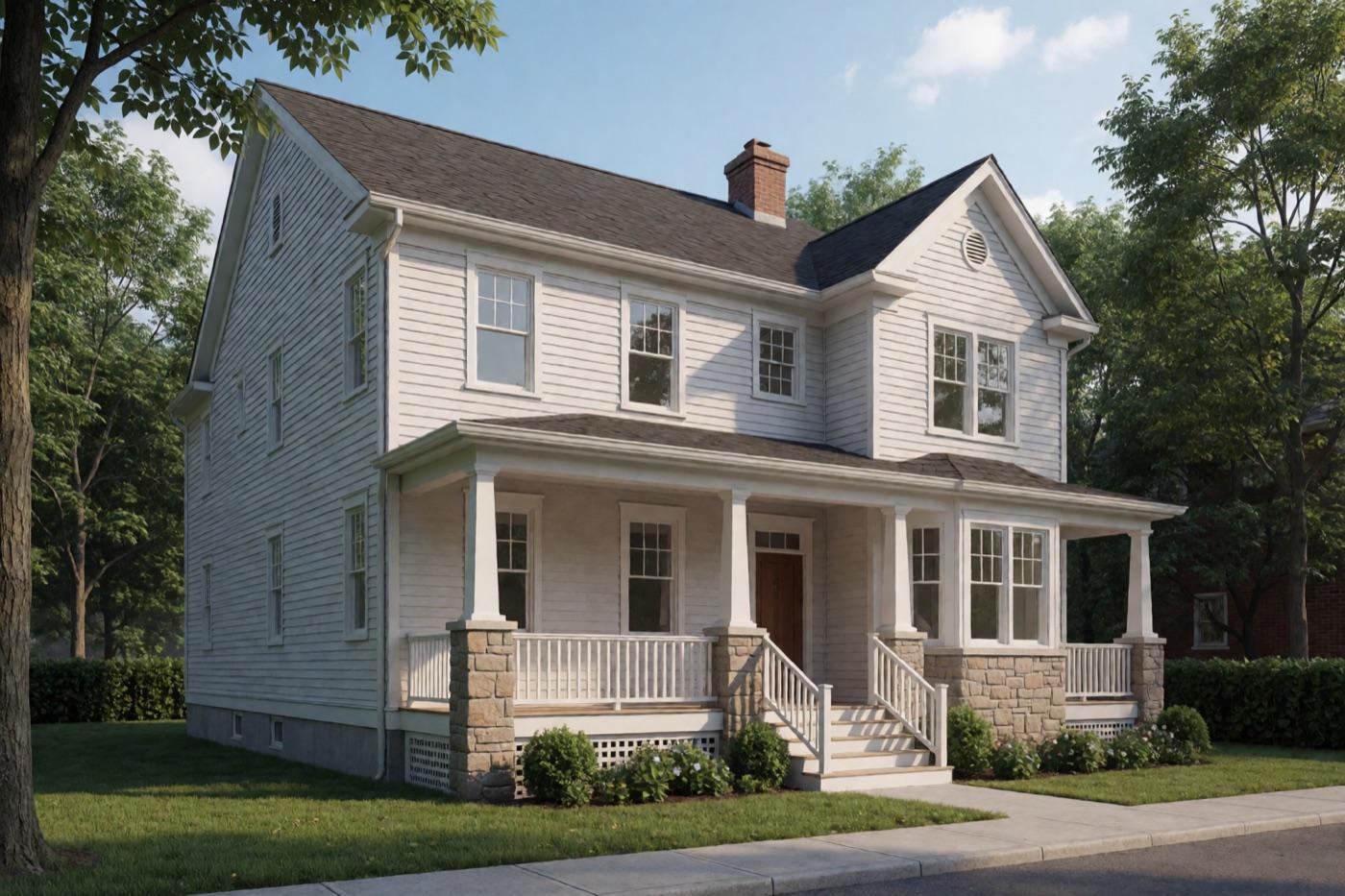
This guide covers how DSCR loans work, what Massachusetts investors should expect during underwriting, and where AMZA Capital fits into that process.
What A DSCR Loan Actually Measures
DSCR stands for debt service coverage ratio, and the math behind it is simple: the property’s gross rental income divided by its total monthly debt obligation (principal, interest, taxes, insurance, and any association dues). A DSCR of 1.0 means the rent covers the debt payment exactly. Above 1.0, the property generates more income than it costs to hold; below 1.0, the owner needs outside funds to cover the shortfall.
Unlike a conventional mortgage, a DSCR loan doesn’t rely on your W-2s, personal debt-to-income ratio, or tax return write-offs. That matters for a lot of Massachusetts investors, especially self-employed borrowers, out-of-state landlords holding Boston-area rentals, or anyone whose personal returns show depreciation and expense deductions that understate real cash flow. The lender is underwriting the asset’s income potential, not your personal earnings history.
Why Massachusetts Investors Lean On DSCR Financing

Massachusetts has a housing stock that’s well-suited to rental investing. Multi-family housing is common in cities like Boston, Lowell, Fall River, and New Bedford, and two- and three-family properties have historically produced dependable rent rolls in tight rental markets. But the state also has a competitive purchase environment, and investors often need to move fast on a listing or close a refinance before a rate lock or seller deadline passes. Conventional financing, with its reliance on personal income documentation, can slow that down considerably, particularly for investors who hold several properties or run their business through an LLC.
A DSCR loan lets the property carry the underwriting weight. If a triple-decker’s three units generate enough rent to comfortably exceed the mortgage payment, that’s the core data point, not whether the borrower’s Schedule E shows a paper loss. It’s also part of why DSCR products have become popular for cash-out refinances: an investor who’s built equity in a Massachusetts rental over several years of appreciation can tap that equity to fund the next acquisition, using the subject property’s own performance to qualify rather than restructuring personal finances.
Property Types That Typically Qualify
DSCR programs are generally built around income-producing residential real estate. At AMZA Capital, the program covers 1-8 unit residential properties, which spans a good chunk of what Massachusetts investors actually buy and hold: single-family rentals, condos, two- and three-family homes, and small multifamily buildings up to eight units. That range fits well with New England’s older housing stock, where triple-deckers and converted multi-unit buildings are common in cities like Somerville, Chelsea, and Brockton.
Because the loan is evaluated on the income the property produces, underwriting typically looks at market rent (often via an appraiser’s rent schedule) alongside any existing lease income, so an investor buying a vacant or newly renovated property can still be evaluated on projected rental income rather than needing a tenant already in place.
Key Underwriting Benchmarks To Know
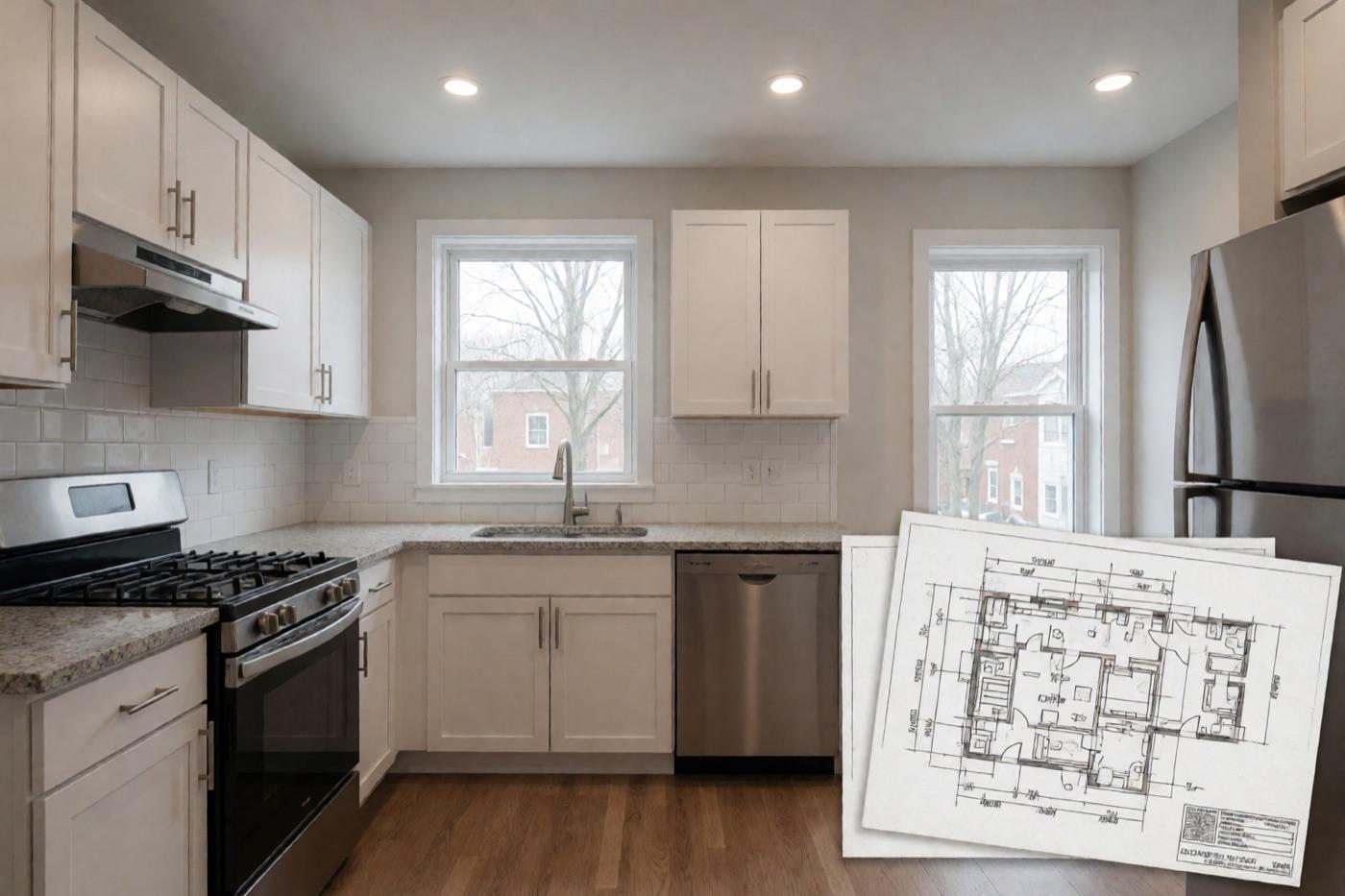
Every DSCR program has its own set of parameters, and it’s worth understanding the ones that shape what a loan will actually look like before you start comparing lenders or running numbers on a specific property.
Credit score. AMZA Capital’s DSCR program has a minimum FICO score of 680. Credit history still matters even though personal income isn’t part of the calculation, because it signals how a borrower has managed debt obligations historically.
Loan-to-value ratios. For purchase transactions, the maximum LTV is 80%, meaning a minimum 20% down payment on the purchase price or appraised value, whichever governs the transaction. For cash-out refinances, LTV ranges from 75-80%, which sets how much equity an investor can pull from an existing Massachusetts property.
Minimum loan amount. The program requires a minimum purchase price or property value of $120,000, which rules out very low-value distressed properties but comfortably covers most Massachusetts rental stock, even in more affordable markets like Springfield or Fall River.
Interest rate range. Rates for AMZA Capital’s DSCR program, structured as a 30-year fixed loan, currently range from 6.00% to 8.99% as of July 2026. Where a specific loan lands within that range depends on factors like credit profile, LTV, DSCR ratio, and property type, so it’s worth discussing your scenario directly rather than assuming a rate in advance.
Seasoning requirements. Seasoning refers to how long you need to have owned or held a property before certain loan actions, like a cash-out refinance, become available. AMZA Capital’s DSCR program uses three different seasoning windows depending on the property’s history: six months for a property bought with cash that hasn’t been recently rehabbed, 90 days for a property currently financed under an existing loan, and no seasoning period for a property rehabbed within the last 12 months, since a completed rehab already establishes the current value. Knowing which category your property falls into matters when timing a refinance.
How The Numbers Come Together On A Massachusetts Property
Say an investor is evaluating a three-family property in a Massachusetts gateway city with combined market rent of $4,200 a month across all three units. If the projected monthly debt service, including taxes and insurance, comes out to $3,400, that property has a DSCR of roughly 1.24 ($4,200 / $3,400), meaning the rental income covers the debt payment with room to spare. A property where rent barely matches or falls below the debt payment produces a DSCR closer to or under 1.0, which changes how a lender views the deal and may affect pricing or structure.
That’s why it’s worth running the DSCR math on a target property before making an offer, not after. Massachusetts property taxes and insurance costs vary meaningfully by municipality, and both factor directly into the debt service side of the equation. A property in a coastal community with higher insurance premiums, for example, will produce a different DSCR than a comparable inland property with the same rent roll.
For investors comparing this approach against other options, AMZA Capital’s rental property loan programs break down how DSCR financing fits alongside other investment lending structures, and the free quote page is a useful starting point for getting a specific scenario reviewed.
Buy-And-Hold Vs. Refinance Scenarios
DSCR loans generally serve two core use cases for Massachusetts investors. On the purchase side, a buy-and-hold investor acquiring a rental property uses the loan to close on the acquisition, with the DSCR calculation based on projected or in-place market rent. On the refinance side, an investor who already owns a Massachusetts rental, whether free and clear or under an existing mortgage, can use a DSCR refinance either to adjust loan terms or to pull equity out via a cash-out structure, subject to the LTV parameters above and applicable seasoning requirements.
Both paths share the same underwriting foundation: what matters most is whether the property’s income supports the proposed debt, not the borrower’s personal financial statements. That consistency is part of why investors managing several properties, sometimes across multiple states, often prefer working with a DSCR-focused lender rather than piecing together financing through conventional channels for each acquisition.
For a broader look at where residential construction and housing supply trends are heading nationally, the NAHB housing economics resource offers useful context on the forces shaping rental demand in markets like Massachusetts.
Working Through The Application Process
Getting started typically means gathering a few categories of documentation: proof of property ownership or a signed purchase contract, existing lease agreements or a rent schedule for the target property, an entity formation document if you’re purchasing through an LLC (common for investment property), and standard identification and asset verification materials. Because DSCR underwriting doesn’t require personal tax returns or W-2s, the documentation list is generally shorter than what a conventional mortgage application demands, which is part of why many investors find the process more manageable when they’re juggling multiple properties or a tight closing timeline.
It’s worth having your numbers ready before you apply: current or projected rent, estimated property taxes and insurance, and any HOA or condo fees. Going in with a clear picture of the DSCR math makes for a more efficient conversation about loan structure.
A Note On Working With A Reputable Lender
Working with a reputable lender rather than a fly-by-night shop can streamline communications, decisions and documentation. AMZA Capital is licensed under DFPI license 60DBO 86104 and holds NMLS ID 2262631, and works with real estate investors across the USA on DSCR financing.
Massachusetts’s mix of dense urban rental markets, established multi-family housing stock, and steady tenant demand across the Commonwealth makes it a market where rental income and debt structure genuinely need to line up. Reviewing your specific property’s numbers against current program parameters is the most reliable way to understand what a DSCR loan could look like for your next acquisition or refinance.
*This article is for informational purposes only and does not constitute financial, legal, or tax advice. Loan programs, rates, and terms are subject to change and individual qualification. Contact AMZA Capital directly to discuss your specific scenario and current program details.*
For AMZA Capital’s DSCR program, rates range from 6.00% to 8.99% as of July 27, 2026, and are subject to change. Rates vary based on FICO, borrower experience, property cash flow, and location.
Related Guides
More guides from AMZA Capital:
- Hard Money Loans in Massachusetts
- DSCR Loan Closing Costs
- DSCR Loans: What Real Estate Investors Should Prepare Before Asking For Terms
- Financing Rental Properties: What Investors Should Prepare Before Asking For Terms
- DSCR Loans in Tennessee
- DSCR Loans in Florida
- All investor loan guides by state and program
START WITH AMZA CAPITAL’S FREE QUOTE PAGE.
This article is for informational purposes only and does not constitute financial or investment advice. AMZA Capital is a licensed mortgage lender (CA DFPI 60DBO 86104 | NMLS 2262631). Consult a licensed professional before making financial decisions.