
Hard Money Loans in Massachusetts
Understanding A Hard Money Loan In Massachusetts
A lot of Massachusetts real estate doesn’t fit a bank’s checklist. Think of a converted mill building in the Merrimack Valley, a former church on the South Shore, an event venue outside Worcester, or a licensed cannabis facility in the Pioneer Valley. Each can hold real value and still fall outside what conventional lenders are set up to finance. The same goes for investors with a few rough patches in their credit history, even when the deal itself is sound.
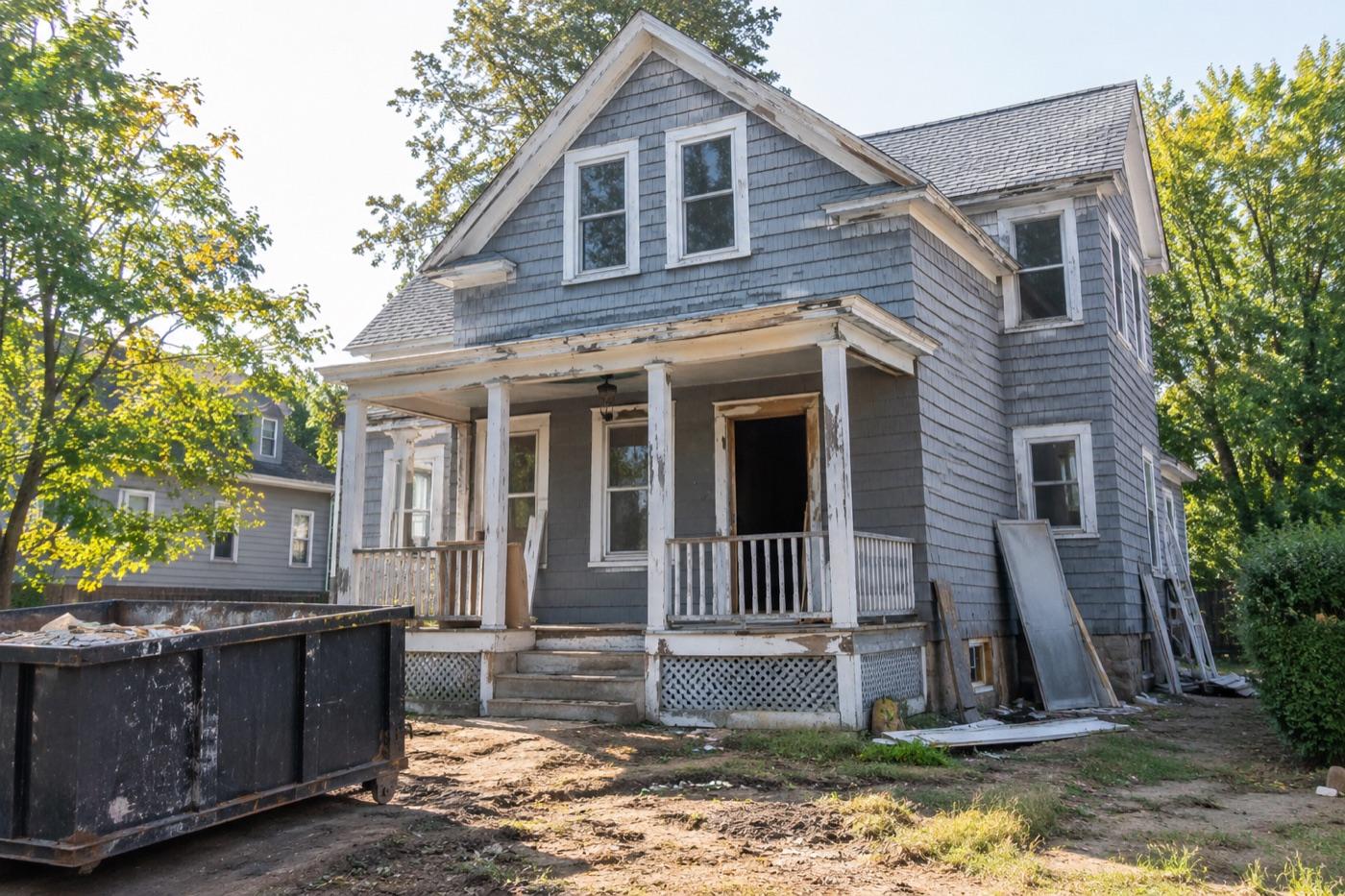
Specialty bridge financing is built for that gap. This guide covers how AMZA Capital handles hard money lending in Massachusetts through its specialty bridge program, which numbers to focus on when you underwrite your own deal, and how to put together a request that shows a lender the asset and your plan for it.
What Specialty Bridge Financing Is Built For
A bridge loan is short-term capital secured mainly by real estate. A conventional loan is built around a 30-year horizon, with long amortization and heavy income documentation. A bridge loan is sized around the property’s value and a defined exit, usually a sale or a refinance into longer-term financing.
AMZA Capital’s specialty bridge program targets two situations conventional lending often struggles with:
- Borrowers with bad credit. Files are reviewed case by case instead of being screened out by a single score cutoff.
- Hard-to-place property types. These include event centres, churches, gentlemen’s clubs, marijuana facilities, and similar assets that many lenders won’t hold as collateral.
Every request in the program is evaluated case by case. The property, the equity position, the borrower’s history, and the exit plan are all weighed together. There’s no shortcut, though. A submission starts a review. It is not a commitment.
Current Program Terms In Massachusetts

The figures below reflect AMZA Capital’s specialty bridge program as of October 1, 2026. Massachusetts is one of the states where the program is available. Terms are reviewed deal by deal and can change.
| Program detail | Specialty bridge |
|---|---|
| Interest rate range | 12%–16% |
| Loan-to-value | 50%–60% |
| Loan term | 12–36 months |
| Credit review | Case by case, including bad credit |
| Property focus | Hard-to-place types |
| Underwriting basis | Case by case |
Two points in that table matter most. The loan-to-value range is conservative, and the rate range reflects the specialized collateral and borrower profiles the program is built for. Both should shape how you model the deal before you submit anything.
Why Loan-To-Value Drives The Whole Conversation
With LTV capped in the 50% to 60% range, equity is the foundation of any specialty bridge request. A lender on a hard-to-place asset needs a real cushion, because far fewer buyers or refinance lenders exist for a church or a cannabis facility than for a two-family home in Quincy.
Here’s a quick illustration of the math. It isn’t a quote, and final figures always depend on underwriting and valuation:
- A property valued at $800,000 at 50% LTV supports a $400,000 loan.
- The same property at 60% LTV supports $480,000.
- That $80,000 difference often decides whether a deal works or needs more equity.
Start your numbers from a realistic value, not a hopeful one. Specialty assets can be worth very different amounts depending on use. A purpose-built event venue may be worth considerably more to an operator than to a buyer who would have to convert it. Decide which valuation approach fits your property, whether that’s comparable sales, income from the current use, or the underlying land and building value, and be ready to explain your choice.
Equity Can Come From More Than One Place
On a purchase, equity usually means your cash down payment. On a refinance or cash-out, it’s the gap between the property’s value and its existing liens. If you own the property free and clear, or with a small balance, you may already have a substantial equity position. If you’re carrying a large first mortgage, a 50% to 60% LTV ceiling may limit how much new capital is left after paying off the existing lender.
Budgeting For The Cost Of Bridge Capital

At 12% to 16%, a specialty bridge loan costs meaningfully more than conventional financing. That’s the tradeoff for flexibility on credit and collateral. Put that cost in your plan as a line item so it doesn’t surprise you later.
For rough budgeting, a 12% to 16% annual rate on a $450,000 balance comes to about $54,000 to $72,000 a year in interest. On a 12-month hold, that sits inside your project costs. On a longer hold, it adds up to a much bigger number. Your actual payment structure and any fees will be spelled out in the term sheet for your deal, so treat this illustration as a planning tool only.
A few habits help:
- Model the full hold period. If the plan needs 18 months, budget 18 months of carrying costs plus a buffer, not the best-case timeline.
- Stress-test the exit. Run the numbers with a sale price 10% below target, or a refinance that takes an extra quarter to close.
- Keep interest separate from other costs. Taxes, insurance, utilities, security for vacant specialty buildings, and any renovation budget all come on top of financing.
When you get terms from any lender, compare the same core items each time: rate, term, total closing costs, and what happens at maturity. The Consumer Financial Protection Bureau’s Loan estimate explainer is written for home buyers, but its breakdown of where costs hide works well as a checklist for going through any loan document line by line.
Choosing A Term That Matches Your Exit
The specialty bridge program offers 12- to 36-month terms. That gives you room to match the loan to the work the property actually needs instead of squeezing a project into an artificially short window.
Here’s how different exits tend to line up with term length:
- Sale after cleanup or repositioning. If you’re buying an underused event venue, improving it, and marketing it to an operator, a shorter term may fit, as long as your marketing timeline is realistic for a small buyer pool.
- Refinance after stabilization. If you’re buying a church with a congregation lease in place, or a mixed-use property with a specialty tenant, you may need time to document rent history before a longer-term lender will look at it. A longer term gives you that runway.
- Credit repair before a conventional refinance. If the bridge loan lets you act on an opportunity while you rebuild your credit, set the term around how long that rebuilding will realistically take.
A term that’s too short is one of the most common ways investors put themselves under pressure. Don’t plan around an extension. If one is available at all, it’s never something to count on in advance.
Why Some Massachusetts Deals Fall Outside Conventional Lending
Conventional lending runs mostly on standardized guidelines. Residential programs are shaped by rules like the FHFA Conforming Loan Limit Values, which set the size of loans that can be sold to Fannie Mae and Freddie Mac. Commercial banks often work from internal policy lists that exclude certain property uses entirely.
Specialty properties usually fall through the cracks for a handful of reasons:
- Few comparable sales. A given Massachusetts county only sees so many church or event venue sales, which makes valuation hard for a lender relying on automated or standardized appraisal models.
- Use-specific risk. Some institutions avoid whole categories, including cannabis-related properties and adult entertainment venues, as a matter of policy.
- Operator dependency. The property’s value may be tied closely to one tenant or business, which concentrates risk.
- Credit overlays. Even with a strong asset, a borrower’s credit history can stop a conventional file before anyone looks at the property.
Specialty bridge financing handles these files differently. It looks at the asset, the equity, and the plan together, case by case.
Property Types The Program Is Designed Around
The specialty bridge program focuses on hard-to-place property types, including:
Event Centres And Venues
Wedding barns, banquet halls, and function facilities show up all over Massachusetts, from the Berkshires to Cape Cod. Their value often depends on bookings, condition, and location, which makes them a poor fit for standardized lending.
Churches And Religious Buildings
Religious properties change hands for many reasons: congregations consolidate, relocate, or convert buildings to other uses. Buyers might be other congregations, developers, or community organizations, and each sees value differently.
Marijuana Facilities
Massachusetts has a regulated cannabis market, but many traditional lenders are still wary of cannabis-related collateral. Cultivation buildings, processing facilities, and retail locations are among the property types this program is designed to consider.
Gentlemen’s Clubs And Similar Assets
Institutional lenders often exclude adult entertainment properties no matter how strong the real estate is. The program considers these and similar hard-to-place assets case by case.
If your property isn’t on this list but has been turned down elsewhere because of its use, describe it in your request anyway. The program covers similar hard-to-place types, and each one is reviewed on its own facts.
How To Prepare A Strong Request
Since every specialty bridge file is reviewed case by case, a clear submission matters. A well-organized request helps a lender understand the deal quickly and ask better questions. Investors typically pull together:
- Property summary. Address, building size, lot size, current use, occupancy, and condition. Photos help, especially for unusual buildings.
- Valuation support. Any recent appraisal, broker opinion, comparable sales you’ve found, or income history if the property is operating.
- Purchase or payoff details. For acquisitions, the purchase contract and price. For refinances, existing lien balances and payoff information.
- Sources and uses. A simple table showing where every dollar comes from and where it goes, including your equity, closing costs, and any renovation budget.
- Exit plan. A specific account of how the loan gets repaid, with a timeline and the assumptions behind it.
- Borrower background. Your experience with similar properties and a straightforward summary of any credit issues. Explaining a past problem up front is far more useful than leaving it to be found later.
None of this guarantees any outcome. It gives the review process what it needs to evaluate the deal on its merits.
Questions To Ask Before You Commit
Before you sign a bridge loan term sheet, in Massachusetts or anywhere else, make sure you can answer these clearly:
- What’s the all-in cost of the loan over my realistic hold period, not just the stated rate?
- At the approved LTV, does the loan amount cover what I need, or will I need more equity?
- What happens if my exit takes longer than planned?
- Is my valuation conservative enough to hold up in a weaker market?
- Have I gone over the documents with my own attorney or financial advisor?
Bridge financing is a tool. With a clear plan and realistic numbers, it can help investors act on opportunities conventional lending won’t touch. Without a plan, the cost of capital can eat into returns fast.
About AMZA Capital
AMZA Capital is a private lender offering bridge and specialty financing to real estate investors. The specialty bridge program is available in Massachusetts and a number of other states, and it focuses on borrowers and properties that often fall outside conventional guidelines. AMZA Capital holds CA DFPI license 60DBO 86104 and NMLS 2262631. You can learn more about the company and its other loan programs at amzacapital.com.
If you have a Massachusetts property or deal that’s been hard to place, the next step is to send the details through AMZA Capital’s free quote page. Include the property type, estimated value, the amount you’re looking for, and your exit plan so the request can be reviewed case by case.
For AMZA Capital’s specialty bridge program, rates range from 12% to 16% as of October 1, 2026, and are subject to change. Rates vary based on FICO, borrower experience, property cash flow, and location.
Related Guides
More guides from AMZA Capital:
- DSCR Loans in Massachusetts
- 100 Percent Fix And Flip Financing: When Experienced Investors May Qualify
- Fix And Flip Financing: How Investors Should Prepare A Fundable Rehab Deal
- Hard Money Loan Rates
- Hard Money Loans in Georgia
- Hard Money Loans in Ohio
- All investor loan guides by state and program
START WITH AMZA CAPITAL’S FREE QUOTE PAGE.
This article is for informational purposes only and does not constitute financial or investment advice. AMZA Capital is a licensed mortgage lender (CA DFPI 60DBO 86104 | NMLS 2262631). Consult a licensed professional before making financial decisions.