Florida continues to rank among the most active rental markets in the country. Population inflows from the Northeast and Midwest, a business-friendly tax environment, and persistent housing undersupply have kept rent growth elevated across major metros and secondary markets alike. For real estate investors looking to capitalize on that momentum, debt-service coverage ratio (DSCR) loans have become one of the most practical financing structures available , precisely because approval centers on what a property earns rather than what a borrower earns.
But “DSCR loan” is not a magic phrase that unlocks automatic approval. Lenders need specific information before they can quote terms, and submitting an incomplete or vague request typically produces one of two outcomes: a slow, frustrating back-and-forth that delays closing, or a premature decline that could have been avoided with better preparation. This guide covers what makes a Florida DSCR deal fundable, what lenders actually review, and how to position your file so the conversation starts on solid footing.
What A DSCR Loan Actually Measures
The debt-service coverage ratio is the property’s net operating income divided by its total annual debt service. A ratio at or above 1.0 means the property generates enough income to cover the mortgage payment. Many lenders look for something in the 1.10–1.25 range to build in a margin of safety, though acceptable thresholds vary by lender, loan type, property class, and market. Some programs will consider ratios below 1.0 for strong sponsors with significant liquidity or in high-appreciation corridors.
The formula sounds simple, but the inputs require careful underwriting. Gross rent assumptions, vacancy and credit loss reserves, operating expenses, insurance costs (particularly relevant in Florida given the current property insurance environment), and flood zone exposure all flow into the income side of the equation before a lender can stress-test the coverage ratio. Getting those assumptions right , and being able to support them , is where preparation matters most.
Why Florida Creates Specific Underwriting Considerations

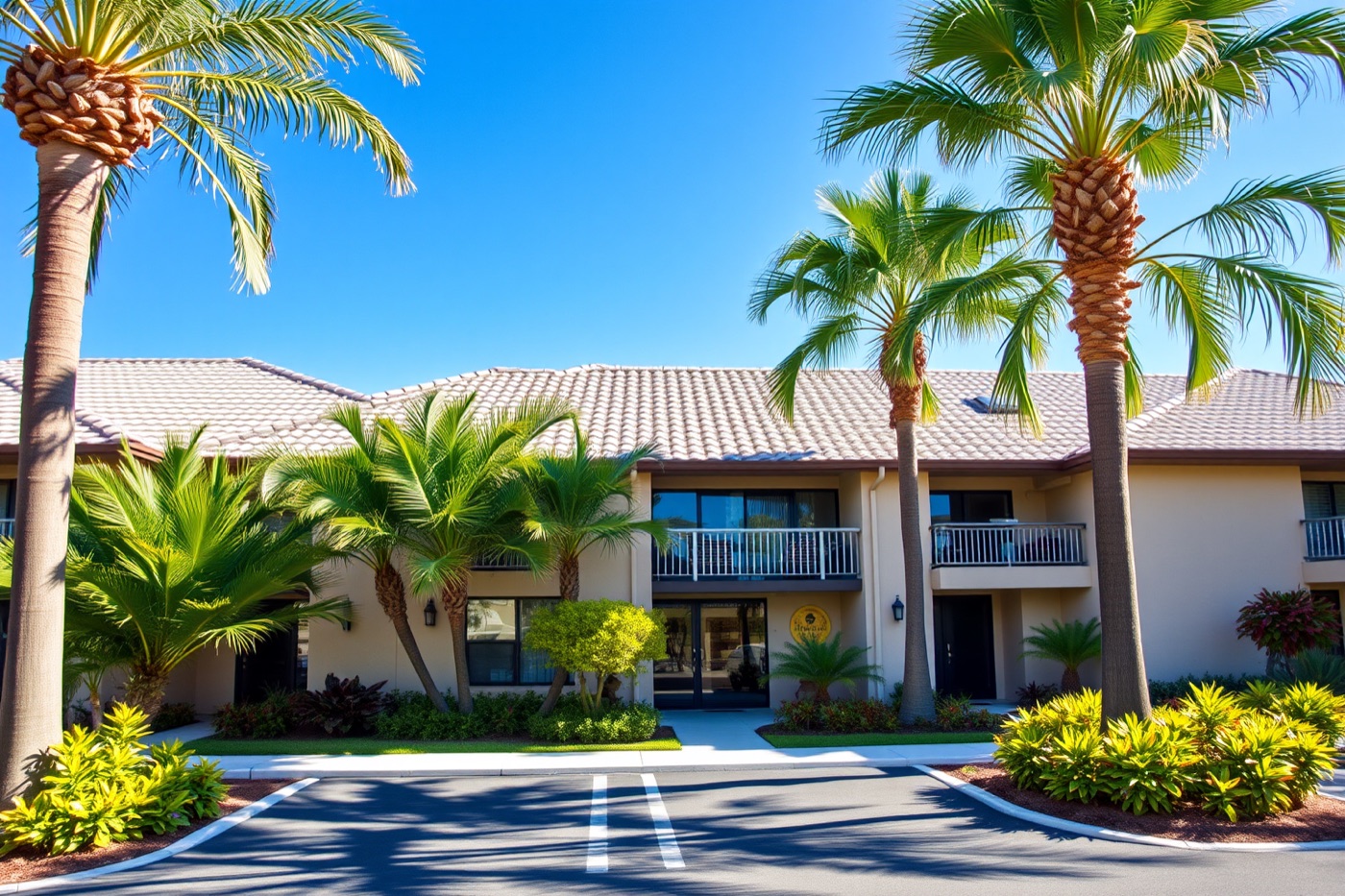
Florida is not a monolithic market. Miami-Dade, Tampa Bay, Orlando, Jacksonville, and the Space Coast each have distinct rent-to-price ratios, vacancy trends, and insurance cost profiles. A DSCR lender underwriting a single-family rental in Hialeah is looking at different comparable rents, different flood zone exposure, and a very different insurance cost structure than one underwriting a small multifamily asset in Gainesville.
According to data published by the National Association of Realtors, Florida markets have consistently appeared among the top destinations for both domestic migration and investor purchase activity. That demand supports rent assumptions in many corridors, but it also means competition for deals is intense , which is exactly why having your financing ready before you make an offer, rather than after, creates a meaningful advantage.
Beyond market dynamics, Florida’s property insurance market deserves its own mention. Premiums in coastal and flood-prone areas have risen substantially in recent years, and those costs directly reduce the net income that feeds your DSCR calculation. Plugging the new premium into a DSCR loan calculator shows how much it moves the ratio and the loan amount. A lender quoting terms based on stale or underestimated insurance figures may come back with a different number once the actual binder is reviewed. Investors who proactively obtain insurance quotes before requesting loan terms reduce that risk and demonstrate they understand the full cost structure of the deal.
The Information Lenders Need Before Quoting Terms
Before a DSCR lender at any reputable shop can issue a term sheet, they need to understand the deal itself. Vague requests , “I’m looking at a rental property in Florida, what are your rates?” , cannot be answered meaningfully. Here is what matters:
Property Address And Purchase Price. The address anchors everything. It determines flood zone status, market comparables, property tax history, and insurance exposure. The purchase price establishes the baseline for loan-to-value calculations.
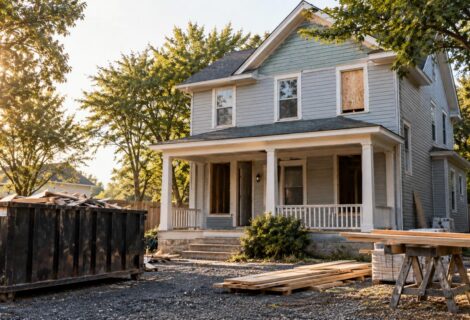
ARV Support And Rehab Scope. If you are purchasing a value-add property that needs work before it stabilizes as a rental, lenders need to understand the scope of renovation and the basis for your after-repair value estimate. An ARV without a credible comparable sales analysis and a realistic rehab budget is not fundable information , it is a wishful number.
Rent And Lease Information. For a stabilized asset, provide current leases, tenant payment history if available, and any upcoming lease expirations. For a vacant property, lenders will typically rely on a market rent analysis or an appraisal-based rent schedule. If you have already run your own rental comp analysis, bring it. It signals competency and speeds up the review process.
FICO Context. DSCR loans are not income-verified, but credit still matters. Most programs have minimum credit score thresholds, and score tier can influence rate pricing significantly. Know your score before you engage, and if there are derogatory items, be prepared to explain the context. Surprises on the credit report slow down underwriting and occasionally unwind deals that were otherwise solid.
Liquidity. Lenders want to know that a borrower has reserves beyond the down payment and closing costs. How much liquidity matters varies by program, but demonstrating post-close reserves , typically expressed as a number of months of debt service , is part of showing that the deal is sustainable even if a unit turns over or a repair comes up.
Loan Purpose And Exit Plan. Is this a long-term hold, a stabilize-and-refinance, or a purchase to seasoned-then-sell? DSCR loans are typically structured around the hold thesis. If you intend to refinance into conventional financing after two or three years, that context shapes how the lender thinks about prepayment terms and whether the program structure aligns with your plan.
For a deeper checklist of what to assemble before requesting terms on any DSCR or rental loan, AMZA Capital’s DSCR loan preparation guide walks through each documentation element in detail.
Common Mistakes That Delay Or Kill Florida DSCR Requests

A large volume of rental loan requests surfaces the same friction points repeatedly. Knowing them in advance helps you avoid them.
Over-Optimistic Rent Assumptions. It is tempting to model rents at the top of the range for the submarket. Lenders will stress-test your assumptions against third-party data, and if your projected rent runs significantly above median market rent, expect questions. If the DSCR only works at the optimistic number, the deal may not actually cash flow at a ratio lenders are comfortable with.
Ignoring Insurance Costs. Investors who model insurance costs using national averages or figures from a different state consistently get surprised when Florida quotes come back. In coastal markets especially, insurance can represent a meaningful share of annual operating expenses. Use a real number from an actual quote, not a placeholder.
Missing Or Expired Documents. A purchase agreement that has lapsed, a title report with open issues, or a lease that expired six months ago creates underwriting questions that slow everything down. Bring current, executed documents.
Unclear Entity Structure. Many DSCR loans are originated to LLCs and other business entities. If your ownership structure is not finalized , or if there are multiple members whose credit and liquidity have not been considered , that ambiguity needs to be resolved before terms can be issued. Know who is on the deal and what their role is.
Conflating Pre-Qualification With Approval. A pre-qualification is an indication based on stated information. Underwriting is a verification process. Investors who treat a pre-qual as a guarantee and waive contingencies before actual underwriting is complete expose themselves to unnecessary risk.
How To Structure A Strong Initial Request
When you approach a DSCR lender , including AMZA Capital , with a well-organized initial request, you signal that you are a serious operator and you reduce the friction that slows every deal. A solid first submission includes the property address, a one-page deal summary with purchase price, estimated ARV (with comps if available), projected rent with your basis for that projection, rough scope and cost of any needed repairs, your entity name, FICO range, and available liquidity. That is not an exhaustive underwriting package , it is enough information for a lender to give you a meaningful initial indication rather than a vague hedge.
From there, the conversation becomes far more productive. Lenders can flag specific concerns early, request targeted information, and move toward a genuine term sheet rather than an indefinite information-gathering loop.
AMZA Capital (CA DFPI 60DBO 86104 | NMLS 2262631) works with real estate investors on DSCR and rental investment financing across Florida and other markets. The starting point is always the specifics of the deal: where the property is, what it produces, what the sponsor looks like, and what the plan is. There are no meaningful terms without that context, which is why the preparation work described above directly accelerates the path from inquiry to term sheet.
Florida’s rental market will continue attracting capital. The investors who move efficiently , because their files are complete, their assumptions are defensible, and their lender conversations are specific , are the ones who close deals while others are still waiting for a quote.
Related Guides
More guides from AMZA Capital:
- Private Money Lenders In Florida: What Real Estate Investors Should Know Before Requesting Terms
- Bridge Loans In Florida
- DSCR Refinance: What Rental Investors Should Confirm Before Replacing Bridge Debt
- Rehab To Rent Loans: How Investors Should Plan The Bridge To DSCR Exit
- Debt Service Coverage Ratio Loan: How Rental Property Cash Flow Shapes Underwriting
- DSCR Loans in California
- All investor loan guides by state and program
START WITH AMZA CAPITAL’S FREE QUOTE PAGE.
*This article is provided for informational purposes only and does not constitute legal, financial, tax, or investment advice. Loan programs, terms, and availability are subject to change without notice and vary based on individual borrower qualifications, property characteristics, and market conditions. Nothing in this article should be construed as a commitment to lend or a guarantee of specific loan terms. Consult qualified legal, financial, and tax professionals before making investment decisions. AMZA Capital | CA DFPI 60DBO 86104 | NMLS 2262631.*