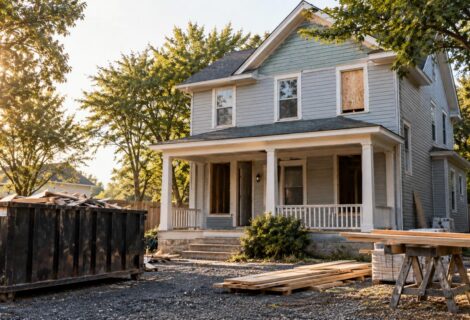
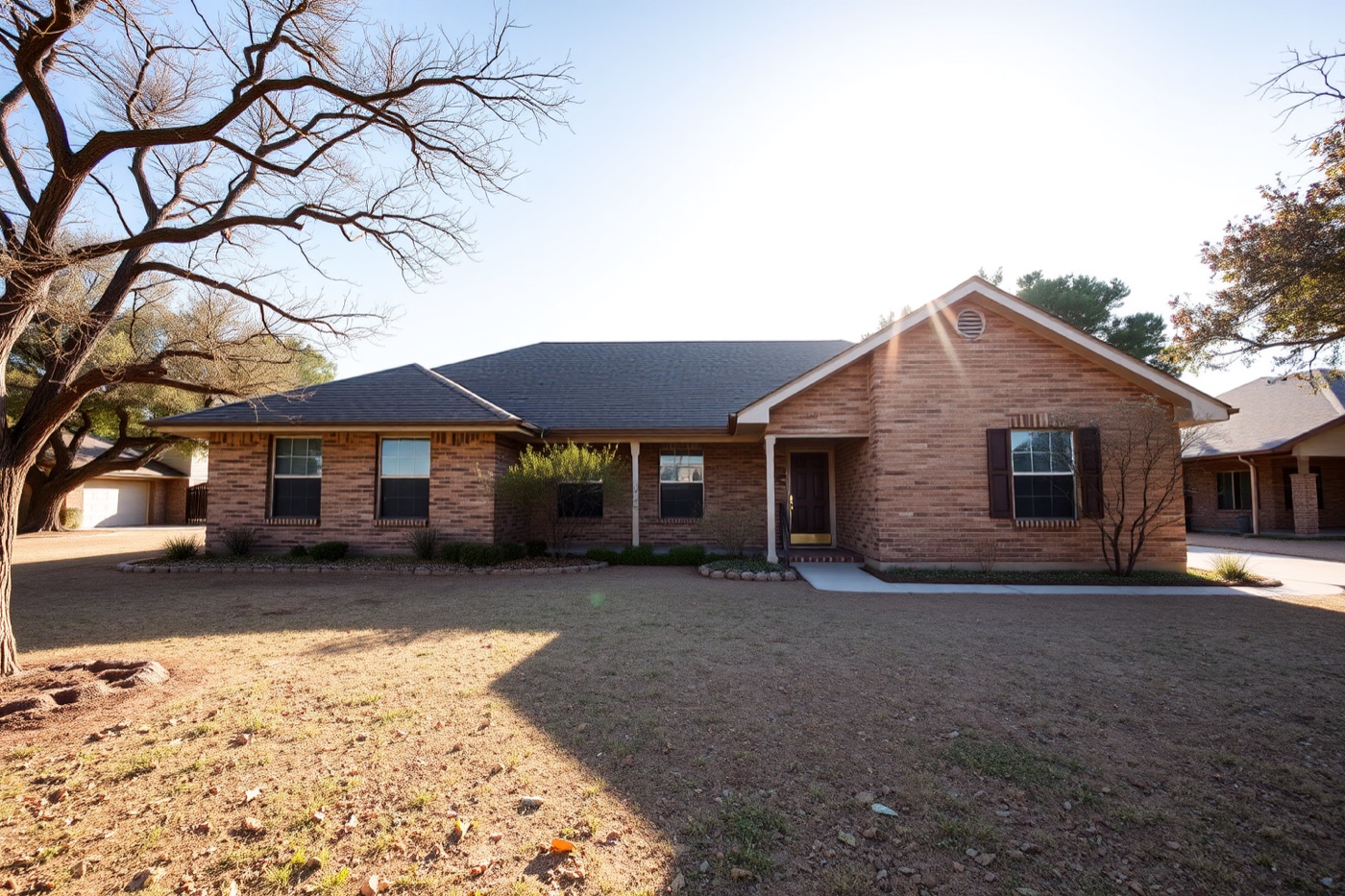
Texas has become one of the most active fix-and-flip markets in the country, and the reasons are not hard to identify. Population growth in Dallas-Fort Worth, Houston, San Antonio, and Austin continues to outpace national averages, distressed inventory cycles through regularly, and the absence of a state income tax keeps investor margins comparatively favorable. But strong market fundamentals do not automatically produce smooth financing. Lenders who fund fix-and-flip transactions evaluate a specific set of deal variables before they can quote terms, and borrowers who arrive without organized documentation routinely lose time,and sometimes lose deals,while assembling information they should have had ready from the start.
This guide covers exactly what a lender like AMZA Capital reviews when a Texas fix-and-flip request comes in, and how investors can prepare a file that lets underwriting move without unnecessary delays.
Why Fix And Flip Loans Work Differently Than Conventional Mortgages
A conventional mortgage underwriter’s primary concern is the borrower’s income and capacity to make monthly payments over decades. A fix-and-flip lender’s primary concern is whether the deal itself generates enough value at resale to repay the loan. That distinction shapes everything about how these loans are structured and what lenders want to see.
Fix-and-flip loans are short-term bridge loans,typically 6 to 18 months,designed to fund the acquisition and renovation of a property that will be resold after improvements are complete. Because the exit is a sale rather than long-term ownership, the underwrite centers on the after-repair value (ARV), the renovation scope, the purchase basis, and the timeline. Borrower credit and liquidity still matter, but they are evaluated alongside deal economics rather than in isolation.
For investors weighing a hold-and-rent strategy against a flip, AMZA Capital’s guide on DSCR loans covers the documentation and underwriting logic behind income-producing rental properties.
Start With The Property Address And Purchase Price

Every loan request starts with a specific property. Lenders cannot generate meaningful terms without knowing the asset’s location, current condition, and the price the borrower intends to pay. In Texas, the county matters because it affects comparable sales data, title process, flood zone considerations, and local permitting requirements for renovation work.
The purchase price anchors the entire deal structure. Lenders calculate loan-to-cost (LTC) and loan-to-ARV ratios off this number combined with the rehab budget and estimated post-renovation value. A fix and flip loan calculator shows how those ratios translate into a loan amount and the cash you would need at closing. A borrower who does not yet have a purchase price locked down is not ready to request terms. They may be ready for a preliminary conversation, but underwriting cannot begin without a number.
Build An ARV Case With Real Comparable Sales
After-repair value is arguably the most scrutinized figure in a fix-and-flip underwrite. It tells the lender what the property should sell for once renovations are complete, which determines how much exposure the loan represents relative to the exit value.
Lenders do not simply accept a borrower’s ARV estimate. They want to see it supported by recent, closed comparable sales,ideally within the same neighborhood, similar square footage, similar age and condition, and within the last 90 to 180 days. In high-velocity Texas markets, where median days on market can move quickly in both directions, stale comps can misrepresent current pricing by a meaningful margin.
According to NAR Research and Statistics, Texas metros have consistently ranked among the most active housing markets in the country by transaction volume. Comparable sales data is generally available, but market conditions can also shift faster than in slower-moving secondary markets. Borrowers who bring their own comp analysis,rather than waiting for the lender to pull it independently,demonstrate market knowledge and move the conversation toward loan structuring instead of debating value assumptions.
Prepare A Detailed Rehab Scope And Budget

A renovation estimate that reads “$40,000 for repairs” tells a lender almost nothing useful. A scope that breaks down work by trade,demo, framing, roofing, HVAC, plumbing, electrical, flooring, cabinetry, fixtures, paint, landscaping,allows underwriting to evaluate whether the budget is realistic relative to the ARV increase being projected.
Lenders have reviewed hundreds of renovation budgets and can spot common problems: kitchens and bathrooms that are under-scoped, structural issues that are not priced in, or permit-required work that is missing entirely. A detailed scope also protects borrowers from underestimating costs mid-project, which is one of the most common reasons fix-and-flip timelines stretch and returns compress.
Permit requirements in Texas vary by municipality. Dallas, Houston, and Austin each have different inspection cadences and contractor licensing requirements. If your project involves structural changes, additions, or electrical and plumbing upgrades, confirm permitting timelines with your contractor before submitting a loan request,construction delays affect draw schedules and loan maturity.
Understand How Your FICO Score Affects The Conversation
Fix-and-flip lending is asset-forward, but borrower credit is not irrelevant. FICO scores factor into pricing, maximum leverage, and sometimes eligibility depending on the lender’s credit box. Borrowers with stronger credit profiles typically access better leverage ratios and more competitive terms. Borrowers with lower scores or recent derogatory credit events may find that deal quality needs to be proportionally stronger to compensate.
Knowing your credit profile before requesting terms allows for a realistic conversation rather than an optimistic one. If you have a short sale, foreclosure, or bankruptcy in recent history, disclose it upfront. Lenders will find it during the underwrite regardless, and early disclosure gives the lender a chance to assess whether the deal still fits within their guidelines,rather than discovering the issue after time and resources have already been spent.
Document Your Liquidity And Reserves
Liquidity,cash in bank accounts, brokerage accounts, or retirement accounts that can be verified,tells a lender you have the capacity to cover your equity injection and carry unexpected costs during the renovation. Most fix-and-flip lenders require borrowers to bring meaningful equity to the table. Loan-to-cost ratios of 80 to 90 percent are common, which means borrowers need to fund the remaining 10 to 20 percent of combined acquisition and renovation costs from their own resources.
Beyond the equity requirement, lenders look at reserves,funds that would remain after closing. A borrower who depletes every dollar getting into a deal creates execution risk. If a subcontractor runs over budget, a permit gets delayed, or the market softens slightly during the renovation period, reserves are the buffer that keeps the project and the loan on track.
Prepare bank statements for the last two to three months. If funds recently transferred from another source, be ready to document their origin. Unexplained large deposits require a paper trail in most underwriting processes.
Clarify The Exit Plan
For a fix-and-flip loan in Texas, the standard exit is a sale. But borrowers should think it through more carefully than simply stating “we’ll sell it.” Lenders want to understand the realistic timeline from completion to closing, what price the borrower expects to list at, whether that price is consistent with the ARV used to underwrite the loan, and what happens if the property takes longer to sell than projected.
If your exit includes the possibility of converting to a rental should the sale market soften, say so. Some lenders will structure a loan with a built-in extension or refinance pathway. If your plan is a straightforward sale, provide a realistic absorption timeline for the neighborhood based on current days-on-market data.
A clear, defensible exit plan is also sound underwriting practice for your own business. Investors who enter a flip without a detailed exit analysis are making decisions without a full picture of the risk they are assuming.
Gather Business Entity And Loan Purpose Documentation
Most fix-and-flip loans in Texas are originated in the name of a business entity,an LLC or corporation,rather than an individual. If you intend to take title in an entity, have your operating agreement, articles of organization or incorporation, and EIN documentation ready. Lenders need to verify that the entity is properly formed and that the signing members or officers have authority to execute the transaction.
Loan purpose documentation connects back to the deal itself: what are the proceeds being used for, what is the property type, and is this a purchase or a refinance of a property already in renovation? Each scenario affects how the loan is structured and what supporting documentation applies.
Why Preparation Shortens The Path To Funding
Experienced fix-and-flip investors know that speed matters. Good deals move fast, and a borrower who can present a clean, organized file,purchase price, ARV support, detailed scope, credit profile, liquidity documentation, exit plan, and entity paperwork,gives a lender like AMZA Capital everything needed to move from initial review to term sheet without unnecessary back-and-forth.
AMZA Capital (CA DFPI 60DBO 86104, NMLS 2262631) works with real estate investors across Texas and nationwide on fix-and-flip financing. Our process focuses on deal fundamentals, and borrowers who prepare the way this guide describes are consistently better positioned for faster decisions.
For investors also evaluating longer-term hold strategies, understanding how DSCR loans are underwritten can help you decide how to structure acquisitions from the start.
Related Guides
More guides from AMZA Capital:
- Hard Money To DSCR Refinance In Texas: How Rental Investors Should Plan The Exit
- DSCR Loans In Texas: What Rental Investors Should Prepare Before Requesting Terms
- Hard Money Loan Rates
- Hard Money Loan Documents
- 100 Percent Fix And Flip Financing: When Experienced Investors May Qualify
- Hard Money Loans in Georgia
- All investor loan guides by state and program
START WITH AMZA CAPITAL’S FREE QUOTE PAGE.
*This article is provided for informational purposes only and does not constitute legal, financial, or tax advice. Loan availability, terms, and eligibility requirements vary based on individual deal characteristics and are subject to change. Nothing in this article constitutes a commitment to lend or a guarantee of financing. Consult qualified legal, financial, and tax professionals before making investment decisions. AMZA Capital operates as a private lender; CA DFPI License 60DBO 86104, NMLS 2262631.*