
Hard Money Loans in North Carolina
Understanding A Hard Money Loan In North Carolina
A hard money loan North Carolina investors can actually use is about more than closing speed. The structure has to make sense for the property, the exit, the borrower profile, and the real condition of the file. AMZA Capital works with real estate investors reviewing North Carolina opportunities that may sit outside conventional bank guidelines, including specialty bridge scenarios reviewed case by case.
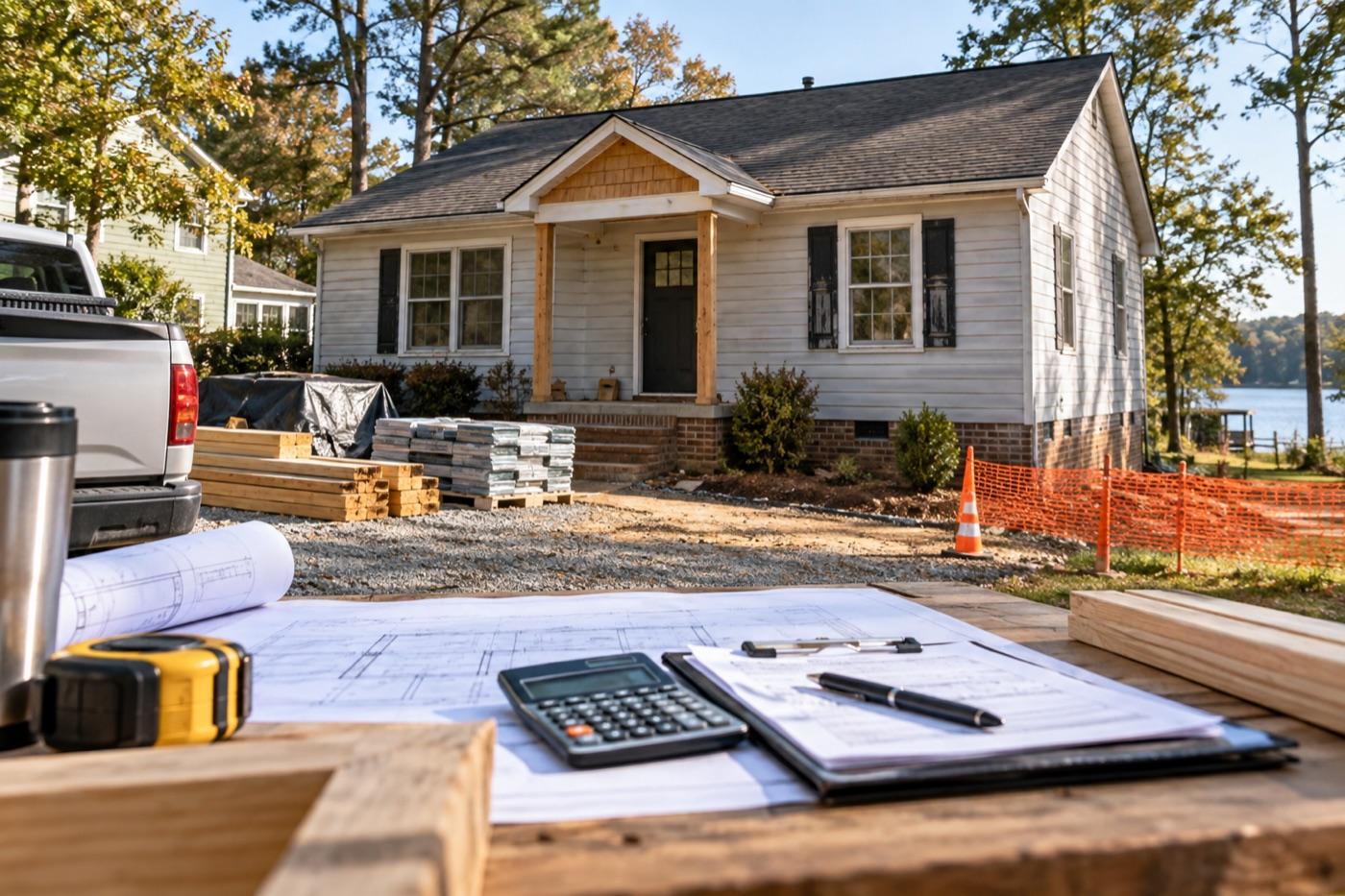
For AMZA Capital’s specialty bridge program, available geography includes North Carolina. Program facts as of July 24, 2026 include 50-60% LTV, a 12-36 month term, and an owner-provided rate range of 11-16%. Review is case by case, including bad credit and hard-to-place property types such as event centres, churches, gentlemen’s clubs, marijuana facilities and similar.
When A North Carolina Investor May Look Beyond A Bank Loan
Traditional financing can work well when the property is stabilized, the documentation is clean, and the borrower fits the lender’s standard box. Many investment deals are not that tidy.
A North Carolina investor may be working on a vacant building in Raleigh, a value-add rental in Charlotte, a coastal property with condition issues, or a nontraditional commercial property in a secondary market. The asset may need repairs before it can support long-term financing. The borrower may need a bridge while working through title, occupancy, zoning, lease-up, or sale timing.
That is where a hard money or specialty bridge loan may come into the discussion. The goal is not to replace good permanent financing. The goal is to give the investor a short-term structure for a defined transition, if the deal supports it.
What AMZA Capital Looks At In A Specialty Bridge Scenario

AMZA Capital reviews specialty bridge opportunities case by case. That matters because unusual deals usually do not fit neatly into one checklist.
The first issue is the collateral. What is the property today, not what the listing suggests it could become? Is it residential, mixed-use, commercial, special purpose, vacant, partially occupied, or in transition? What is the current condition? Are there repairs, environmental concerns, code issues, or operating limits that affect value?
Then comes the capital stack. With the approved specialty bridge facts, AMZA Capital’s program range includes 50-60% LTV. Investors should look closely at how that interacts with purchase price, current value, payoff amounts, closing costs, reserves, rehab budget, and the funds needed to carry the property during the bridge period.
The exit plan matters just as much. A bridge loan should have a practical ending. That may be a sale, refinance, recapitalization, lease-up followed by refinancing, or another defined resolution. The clearer the business logic, the easier it is to understand whether the requested structure matches the property’s path.
North Carolina Markets Require Local Underwriting Discipline
North Carolina has several investment markets, and they do not all move the same way. Charlotte and Raleigh-Durham often attract different buyer pools than Greensboro, Winston-Salem, Fayetteville, Wilmington, Asheville, or rural counties. Coastal risk, university demand, medical employment, military housing, tourism, industrial growth, and population shifts can all affect underwriting.
Investors should be careful about treating “North Carolina” as one market. A rental comp in one submarket may be useless 20 minutes away. A renovated sale comp may not apply to a property with unresolved repairs. A commercial valuation may depend on lease terms, tenant quality, use limitations, and realistic buyer demand.
Broader housing conditions also matter. Sources like the Freddie Mac housing forecast can help investors understand national context, but they should not replace property-level underwriting. A bridge loan decision still comes down to the specific asset, basis, leverage, and exit.
How To Think About Value Before Requesting Terms

Before approaching a lender, investors should separate several numbers that often get blended together.
The purchase price is what the investor is paying. The as-is value is what the property could reasonably be worth today in its current condition. The after-repair or stabilized value is a projection based on successful execution. The payoff amount is what must be satisfied if refinancing an existing loan. The total project basis includes acquisition, repairs, carrying costs, closing costs, and reserves.
A disciplined investor does not rely on one optimistic value. They compare scenarios: a conservative sale price, a slower leasing period, a higher repair budget, and a refinance that requires more equity than expected. That does not make the deal bad. It shows where the pressure points are.
Specialty Properties Need More Than A Simple Real Estate Story
AMZA Capital’s specialty bridge basis includes hard-to-place property types such as event centres, churches, gentlemen’s clubs, marijuana facilities and similar, reviewed case by case. These assets can be difficult because value may depend on a narrow buyer pool, specialized improvements, licensing or use constraints, location sensitivity, or a business operation separate from the real estate.
For example, a church building may have sanctuary space that does not convert easily to general commercial use. An event centre may depend on parking, permits, sound restrictions, and local demand. A property connected to cannabis use may involve regulatory, banking, leasing, and resale considerations that need added scrutiny.
Investors should be ready to explain both the real estate value and the intended use. If the exit depends on selling to a specific type of buyer, that buyer pool should be realistic. If the exit depends on conversion, the budget and approvals should be treated as underwriting issues, not afterthoughts.
Bad Credit Does Not Remove The Need For A Clear Plan
The specialty bridge basis includes bad credit scenarios reviewed case by case. That does not mean credit is ignored. It means the full file has to be understood in context.
Investors should be prepared to explain what happened, what has changed, and why the proposed loan structure makes sense. More importantly, they should show how the property plan works without relying on vague optimism. A clear scope, realistic reserves, credible comps, and a defined exit can help frame the request.
The best approach is direct documentation. Provide the facts, not a sales pitch. If there are liens, late payments, bankruptcies, judgments, or unresolved disputes, disclose them early so they can be evaluated as part of the file.
What Investors Should Prepare Before Starting A Conversation
A useful hard money loan request is specific. AMZA Capital can evaluate more efficiently when the initial package answers the basic questions around property, numbers, and exit.
Investors should prepare the property address, current ownership or purchase contract status, requested loan amount, estimated value support, payoff information if refinancing, photos, repair scope, budget, timeline, and intended exit. For income-producing property, rent rolls, leases, operating statements, and occupancy history can help. For commercial or special-purpose property, use history, zoning information, permits, business context, and comparable sales may be relevant.
If the deal involves a purchase, include the purchase contract and any assignment structure. If the deal involves a refinance, include the current mortgage statement and payoff estimate when available. If funds are needed for repairs, separate must-do repairs from upgrades that only improve upside.
Bridge Financing Should Be Matched To The Exit
AMZA Capital’s specialty bridge facts include a 12-36 month term. Investors should not choose a bridge loan term casually. The timeline should reflect the actual work required to reach the exit.
A light cleanup and resale may have a different timeline than a heavy renovation, zoning change, commercial lease-up, or refinance after stabilization. If the exit depends on a market sale, investors should consider days on market, pricing flexibility, and buyer financing risk. If the exit depends on refinance, investors should understand what the future lender will need to see.
The exit plan should answer a simple question: what specific event repays the loan? If the answer is “values should go up,” the plan needs more work.
Comparing Hard Money With Other Financing Options
Hard money and specialty bridge capital are not the only tools available. Some investors may evaluate bank loans, private money, seller financing, commercial bridge loans, DSCR-style rental loans, SBA-related options for eligible business purposes, or equity partners.
For business owners exploring government-backed small business financing, the 7(a) loans – Small Business Administration – SBA page can be a useful informational starting point. That is a different financing category from AMZA Capital’s specialty bridge program, and it may involve different eligibility, documentation, collateral, and timing considerations.
The right comparison is not just rate. Investors should compare certainty of structure, documentation burden, leverage, timing, collateral requirements, prepayment flexibility, total cost, and whether the loan actually supports the business plan.
How AMZA Capital Fits Into The Process
AMZA Capital works with investors who need practical financing conversations around real estate collateral. For North Carolina specialty bridge requests, the role is to evaluate the file against the approved program facts and the real-world details of the deal.
That starts with the property and the requested structure. It continues with borrower background, value support, title or payoff issues, use considerations, and exit strategy. Investors can begin at AMZA Capital or go directly to the free quote page to submit information for review.
A Practical Example Of Underwriting The Request
Consider an investor evaluating a vacant special-purpose building in North Carolina. The asking price may look attractive, but the real question is whether the property can be converted, leased, sold, or refinanced within the bridge term.
The investor would want to identify the current use, zoning, physical condition, roof and mechanical status, parking, access, local demand, and likely buyer pool. They would also need to understand whether the proposed use is allowed and whether any improvements are required before occupancy.
From there, the numbers should be stress-tested. If the loan is based on 50-60% LTV, how much equity is needed? Are repairs funded separately? Is there enough liquidity to carry insurance, taxes, utilities, maintenance, and debt service? What happens if the exit takes longer than expected?
That is the kind of detail that turns a vague request into an underwritable conversation.
What Not To Assume About A Hard Money Loan In North Carolina
Investors should not assume every property value is based on future potential. They should not assume a bridge lender will treat an unusual building the same way a residential rental is treated. They should not assume a refinance exit will be available unless the property can meet the next lender’s requirements at that future point.
They should also avoid assuming that a higher projected resale value solves every problem. If the project needs permits, repairs, lease-up, tenant improvements, or a specialized buyer, the timeline and capital plan have to reflect that reality.
A bridge loan can be useful when the investor has a clear path through a temporary problem. It is less useful when the plan depends on undefined upside, unsupported values, or an exit that has not been tested.
Start With The Facts Of The Deal
A strong financing request does not need to read like a pitch deck. It needs to be clear. What is the property? What is the current value support? What is the requested loan amount? What is the investor trying to accomplish? How will the loan be repaid?
For North Carolina investors, that clarity is especially important because local market differences can be significant. A lender reviewing a property in Charlotte, Wilmington, Raleigh, or a rural county will need to understand the actual collateral and the investor’s plan, not just the state name.
AMZA Capital’s specialty bridge program gives investors a place to start that conversation for eligible geographies including North Carolina, with case-by-case review for bad credit and hard-to-place property types, and approved program facts that include 50-60% LTV, 12-36 months, and the owner-provided 11-16% rate range as of July 24, 2026.
This information is provided for general informational purposes only and is not legal, tax, investment, or financial advice. Loan terms, availability, and underwriting are subject to case-by-case review and applicable requirements. No approval or specific outcome is promised or implied.
For AMZA Capital’s specialty bridge program, rates range from 12% to 16% as of July 24, 2026, and are subject to change. Rates vary based on FICO, borrower experience, property cash flow, and location.
Related Guides
More guides from AMZA Capital:
- Hard Money Loan Documents
- 100 Percent Fix And Flip Financing: When Experienced Investors May Qualify
- Fix And Flip Financing: How Investors Should Prepare A Fundable Rehab Deal
- Hard Money Loans in Massachusetts
- Hard Money Loans in Georgia
- All investor loan guides by state and program
START WITH AMZA CAPITAL’S FREE QUOTE PAGE.
This article is for informational purposes only and does not constitute financial or investment advice. AMZA Capital is a licensed mortgage lender (CA DFPI 60DBO 86104 | NMLS 2262631). Consult a licensed professional before making financial decisions.