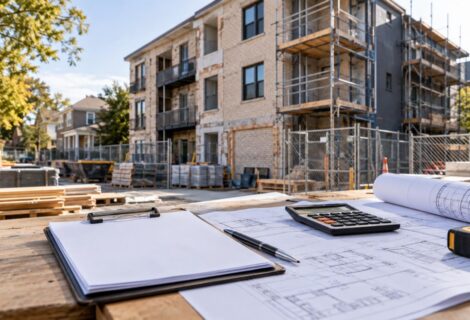

Hard money loan rates matter, but they are only one part of a real estate investment financing decision. For a fix-and-flip, bridge acquisition, cash-out refinance, or time-sensitive rental property purchase, the better question is not just “What is the rate?” It is “What does the lender need to review this deal and quote terms responsibly?”
For specialty bridge loans, AMZA Capital’s hard money loan rates are generally in the 10–16% range as of July 24, 2026, and rates are subject to change. Actual pricing varies by factors such as FICO context, borrower experience, property cash flow, location, leverage request, condition, exit plan, and the strength of the supporting documents.
So if an investor asks for a rate without the property address, purchase price, after-repair value support, rehab budget, liquidity picture, and exit plan, the request is usually early. A complete file helps the lender assess the real risk in the transaction and helps the borrower avoid back-and-forth that can cost time.
Why The Rate Is Tied To The Deal, Not Just The Borrower
Traditional consumer mortgage pricing often starts with the borrower’s income, credit profile, occupancy, and long-term repayment ability. Hard money and bridge lending work differently. The property, business plan, collateral position, and exit strategy carry significant weight.
A lender reviewing an investment property file will usually want to understand what is being financed and why. A purchase loan for a vacant property with a heavy rehab scope is not the same risk profile as a refinance on a stabilized rental with executed leases. A short-term bridge loan for a property listed for sale is not the same as a loan meant to carry a longer renovation and lease-up period.
The interest rate reflects that full picture. The stronger and clearer the file, the easier it is to evaluate whether the requested loan structure fits the project. That does not mean approval is guaranteed. It means the lender has enough information to make a real assessment instead of guessing.
The Property Address Comes First

A hard money loan quote starts with the property. The address tells the lender the market, property type, local demand, comparable sales environment, jurisdiction, and practical lending constraints.
For a residential investment property, the address lets the lender review nearby sales, rental trends, condition signals, tax history, and market liquidity. For a commercial or mixed-use property, it can also affect how the lender thinks about tenancy, zoning, operating history, and resale depth.
Investors sometimes try to get general rate quotes before they have identified a specific property. That can help with broad planning, but it does not replace deal-level underwriting. A lender cannot evaluate collateral without knowing the collateral.
Before requesting terms, have the full property address ready, along with the property type, current occupancy, intended use, and whether the property is being purchased, refinanced, improved, or held as a rental.
Purchase Price And Value Support Need To Make Sense Together
The purchase price is important, but it does not stand alone. A lender also looks at whether the price is supported by the market and whether the requested loan amount fits the value story.
For an acquisition, the file should show the contract price, earnest money status, closing timeline, and any seller credits or unusual terms. If the investor is buying below market, the file should explain why. Is the property distressed? Is the seller seeking speed? Is there deferred maintenance? Are there title, access, or occupancy issues?
For a refinance, the lender will want to understand the current debt, payoff amount, ownership history, original purchase price, improvements completed, and current estimated value.
For a rehab or flip, after-repair value matters. ARV support should come from relevant comparable sales, not optimistic listings. Useful comps are usually nearby, recent, similar in size and property type, and adjusted for condition. A property that will be renovated to a high standard should be compared with homes that actually sold in similar renovated condition.
A Rehab Scope Should Be Specific Enough To Underwrite

A rehab budget that says “update kitchen and baths” is not enough. A lender needs to understand the scale, cost, and timeline of the work.
A practical rehab scope should include major line items such as roofing, windows, electrical, plumbing, HVAC, flooring, cabinetry, appliances, paint, landscaping, permits, and contingency. The budget should also identify whether the project is cosmetic, moderate, or structural.
The lender is not only reviewing the total dollar amount. They are looking at whether the budget appears realistic for the condition of the property and the intended ARV. A $25,000 budget may be enough for paint, flooring, fixtures, and minor repairs. It may be thin for a property needing roof work, system upgrades, and a full interior renovation.
Borrower experience also matters here. An experienced investor with documented completed projects may present a rehab plan differently than someone attempting a first major renovation. Either way, the file should make the plan clear.
Fico Context Still Matters
Hard money lending is often described as asset-based, but borrower credit is still part of the file. FICO context can affect pricing, structure, and the questions a lender asks.
A lender may review credit to understand payment history, current obligations, recent delinquencies, liens, judgments, bankruptcies, or other issues that could affect the transaction. The score itself is only part of the picture. The story behind the credit profile can matter.
For example, a thin credit file, high revolving utilization, or recent mortgage late payments may lead to different underwriting questions than an established borrower with several open tradelines and clean housing history. Investors should be prepared to provide context when needed, especially if there are recent credit events that do not tell the full story on their own.
This is not about making assumptions regarding eligibility. It is about preparing a complete file so the lender can evaluate the risk accurately.
Liquidity Is Part Of The Real Plan
Liquidity is one of the most overlooked parts of a hard money loan request. Investors often focus on purchase price, loan amount, and rate while underestimating reserves, closing costs, rehab overruns, carry costs, and exit timing.
A lender may ask for recent bank statements, proof of funds, entity account statements, or other documentation showing available capital. The question is not only whether the borrower can close. It is whether the borrower has enough liquidity to support the project after closing.
For a rehab project, liquidity helps cover materials, labor, utilities, insurance, taxes, delays, and change orders. For a rental property, liquidity helps cover vacancy, maintenance, leasing costs, and debt service during stabilization. For a bridge loan, liquidity can matter if the sale or refinance takes longer than planned.
A file that includes liquidity documentation is usually easier to evaluate than one built around verbal assurances.
Rental Income And Leases Can Change The Discussion
If the property is rented or intended to become a rental, income documentation matters. A stabilized rental with executed leases, rent rolls, deposit history, and expense records gives a lender more to review than a vacant property with projected rent only.
For current rentals, investors should prepare leases, rent rolls, payment history, property management statements if available, insurance information, tax bills, and operating expenses. For short-term rentals, historical booking data, occupancy, revenue reports, and local regulatory context may be relevant.
For investors comparing bridge financing with longer-term rental financing, AMZA Capital’s article on DSCR loans and what real estate investors should prepare explains the documentation mindset for rental-property underwriting.
Projected rent can be useful, but it should be supported. Comparable rent data, signed lease applications, market rent surveys, and property manager input can help make the assumption more credible.
The Exit Plan Needs To Be More Than A Hope
Hard money loans are commonly short-term tools. The exit plan is therefore central to the underwriting conversation.
Common exits include selling the property after renovation, refinancing into longer-term rental debt, paying off the loan from a pending sale, or using business proceeds or capital events. The key is that the exit should match the property, timeline, market, and borrower plan.
For a flip, the file should show the acquisition price, rehab budget, ARV support, expected listing strategy, and realistic timeline. For a rental refinance exit, the lender may want to understand expected rent, operating expenses, stabilization timeline, and the borrower’s plan for longer-term financing. For a bridge-to-sale scenario, listing history, broker opinion, purchase offers, or market activity can help support the plan.
An exit plan does not need to be complicated. It needs to be specific enough to evaluate.
Why Lender Pricing Changes From One File To Another
Two investors can ask about hard money loan rates on the same day and have different conversations because the files are different.
Pricing may vary based on credit profile, experience, leverage, asset type, property condition, market, cash flow, exit strategy, title complexity, and timing. A lender may also treat an urban property with deep comparable sales differently from a rural property with limited resale data. A light cosmetic rehab may be reviewed differently from a property with foundation issues, fire damage, or major permitting risk.
Cash-flowing properties can present different considerations than vacant or non-income-producing assets. Location matters because market liquidity matters. Borrower experience matters because execution risk matters.
This is why a rate range is not a substitute for underwriting. The range gives investors a planning framework. The file determines what can actually be evaluated.
How Hard Money Differs From Other Business Financing
Hard money financing is usually tied to real estate collateral and a specific investment plan. That differs from many conventional business loan products, which may focus more heavily on business financials, operating history, collateral coverage, and program requirements.
For a broader view of business lending categories, the U.S. Small Business Administration provides general information on FRED mortgage rate series. Investors should understand that different loan types serve different purposes, and the documentation expectations can be very different.
Historical mortgage data also shows that interest rate markets change over time. For example, the Federal Housing Finance Agency has published reports such as SBA loan programs, which illustrates how rate reporting depends on market period and loan context. Hard money pricing is separate from conventional mortgage reporting, but the broader point remains: rates should always be discussed with a date, product type, and deal context.
What To Prepare Before Asking AMZA Capital For Terms
A stronger request gives the lender fewer unknowns to resolve. Before contacting AMZA Capital, investors should organize the basic facts in one place.
Start with the property address, entity or borrower name, loan purpose, purchase or refinance structure, requested loan amount, target closing date, and whether the property is vacant, occupied, rented, or under renovation.
For purchases, include the signed contract if available, purchase price, closing date, earnest money, assignment details if applicable, and any seller credits. For refinances, include the current loan payoff, current lender, ownership history, and reason for refinancing.
For value, prepare comparable sales, broker opinions, appraisals if available, photos, inspection notes, and a clear ARV rationale. For rehab, provide a line-item scope, contractor bids if available, permit expectations, and timeline.
For borrower context, prepare FICO information, liquidity documentation, experience summary, completed project examples, entity documents if applicable, and insurance contact information. For rental properties, include leases, rent rolls, market rent support, and expense details.
Investors can begin through AMZA Capital’s free quote page when they have enough information for a meaningful review.
Common Delays That Make Rate Discussions Less Useful
The most common delay is an incomplete file. A lender cannot responsibly evaluate a project when the address is missing, the rehab budget is vague, the ARV is unsupported, or the exit plan is unclear.
Another delay is a mismatch between the requested loan and the project. If the investor asks for a loan amount based on an aggressive ARV but provides only weak comparable sales, the conversation slows down. If the rehab timeline assumes three months but the scope involves permits, structural work, and utility upgrades, the lender will need more detail.
Title issues can also delay a file. Entity ownership, liens, judgments, tax issues, open permits, probate, bankruptcy, or unclear seller authority may require additional review. Investors should surface known issues early rather than waiting for them to appear late in the process.
Insurance can be another bottleneck. The intended use of the property, vacancy status, renovation work, and occupancy can all affect coverage. Having an insurance agent ready can save time.
A Useful Quote Request Is Specific
The best hard money loan rate conversation is grounded in a real transaction. Instead of asking only for the rate, investors should present the full deal summary.
A concise request might include: “I am purchasing a vacant single-family investment property at this address for this price. My estimated ARV is supported by these comparable sales. The rehab budget is this amount with these major line items. I plan to sell after completion or refinance into rental debt based on this rent support. My FICO context is this, liquidity is this, and I would like to close by this date.”
That kind of summary does not guarantee any result. It simply gives the lender a real file to evaluate.
This article is for informational purposes only and is not legal, financial, tax, or lending advice. Loan availability, rates, terms, and conditions are subject to underwriting review, investor requirements, market conditions, and change without notice.
For AMZA Capital’s specialty bridge program, rates range from 12% to 16% as of July 24, 2026, and are subject to change. Rates vary based on FICO, borrower experience, property cash flow, and location.
Related Guides
More guides from AMZA Capital:
- Hard Money Loan Documents
- 100 Percent Fix And Flip Financing: When Experienced Investors May Qualify
- Fix And Flip Financing: How Investors Should Prepare A Fundable Rehab Deal
- Hard Money Loans in Maryland
- Hard Money Loans in Virginia
- All investor loan guides by state and program
START WITH AMZA CAPITAL’S FREE QUOTE PAGE.
This article is for informational purposes only and does not constitute financial or investment advice. AMZA Capital is a licensed mortgage lender (CA DFPI 60DBO 86104 | NMLS 2262631). Consult a licensed professional before making financial decisions.